Check out ‘In Translation, Volume 1’ for more info on what the heck this is.
I don’t know what to say,
but wanted to say
thank you, I was born.
She’s asking you to
God,
they want to pin cure cover.
Protect the safe journey.
Check out ‘In Translation, Volume 1’ for more info on what the heck this is.
I don’t know what to say,
but wanted to say
thank you, I was born.
She’s asking you to
God,
they want to pin cure cover.
Protect the safe journey.
I have a number of Thai friends and family and I follow some of them on Facebook.
However, I do not speak nor read Thai, so I hit the Facebook translate button and the results are endlessly interesting.
In fact, I have decided that they are secretly poetry, so I will now be posting them as found poetry.
Today, wish you were out 😇
the last day of being
the priest asked the charity
that I’ve already done this from the beginning until now,
the old me in the eyes, your cousin, the picture of you,
do you think it is medicine for the ship?
Him, angel eyes, you may be the eyes, him, her son, so the woman, her eyes,
and ask them to you, to stand in the times with it, Amen
Actually, I learned that it should be pronounced ‘Kwae’ or ‘Kway.’ A ‘kwai’ is not a river, but a water buffalo. Apparently.


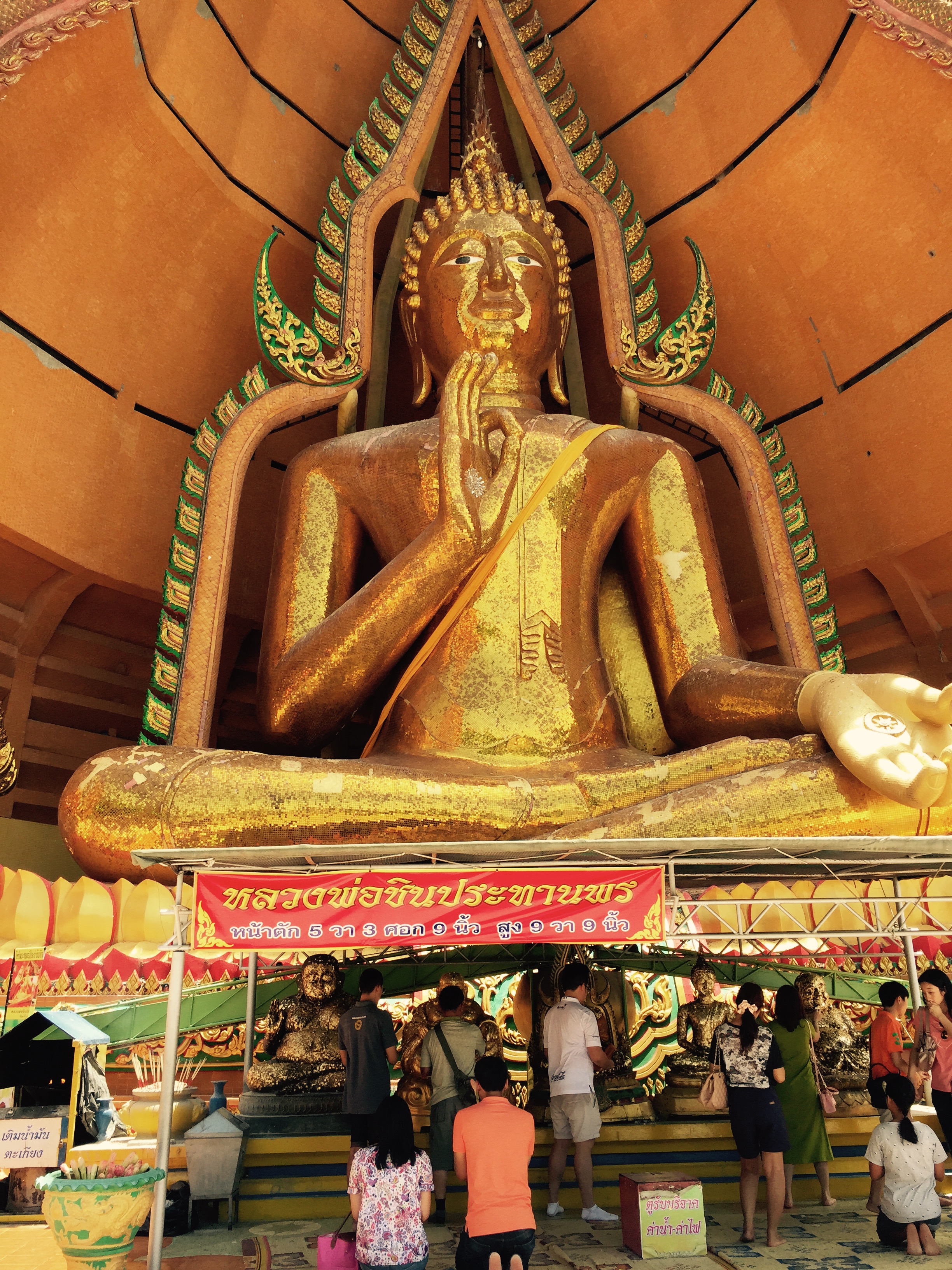
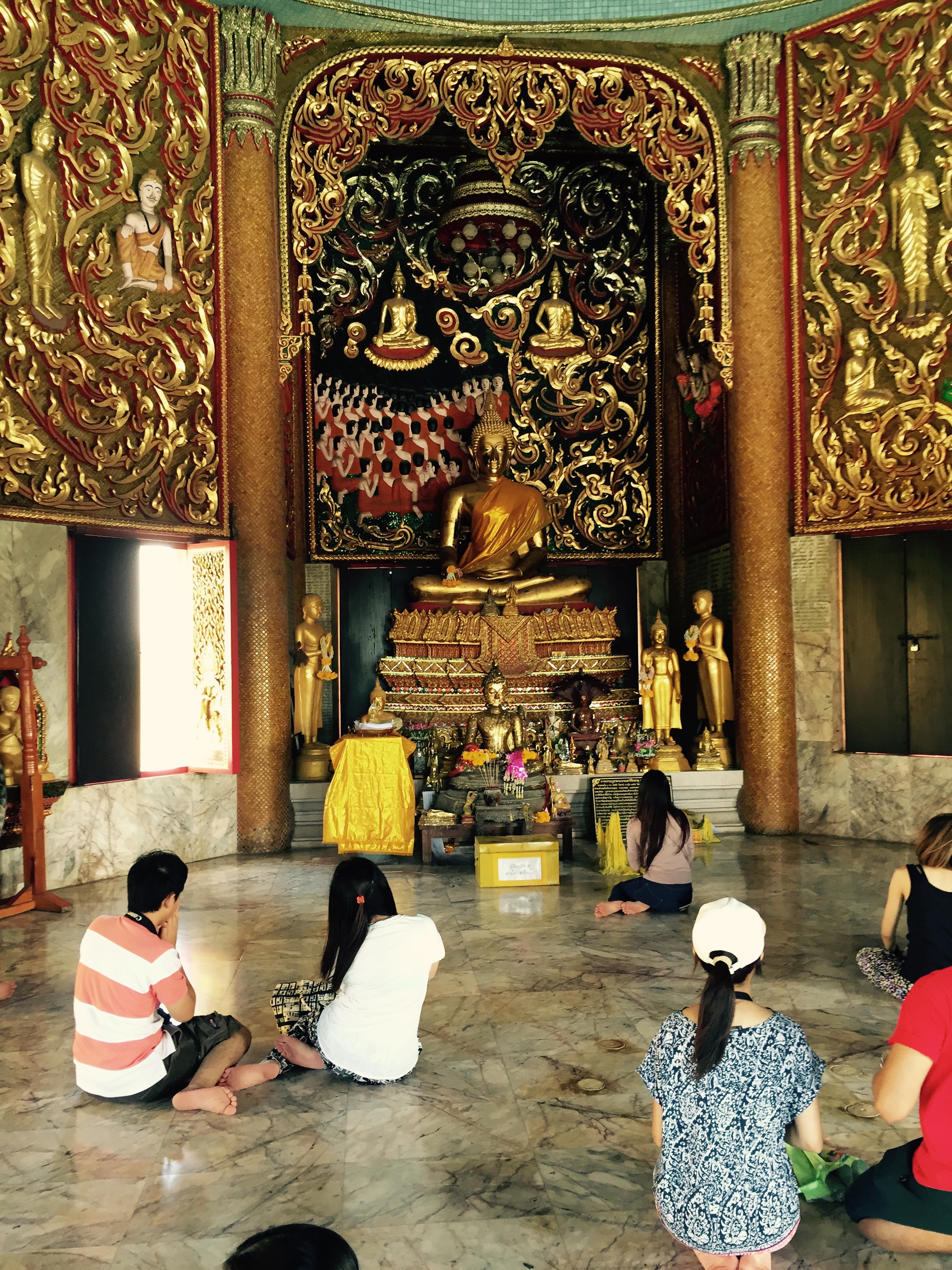


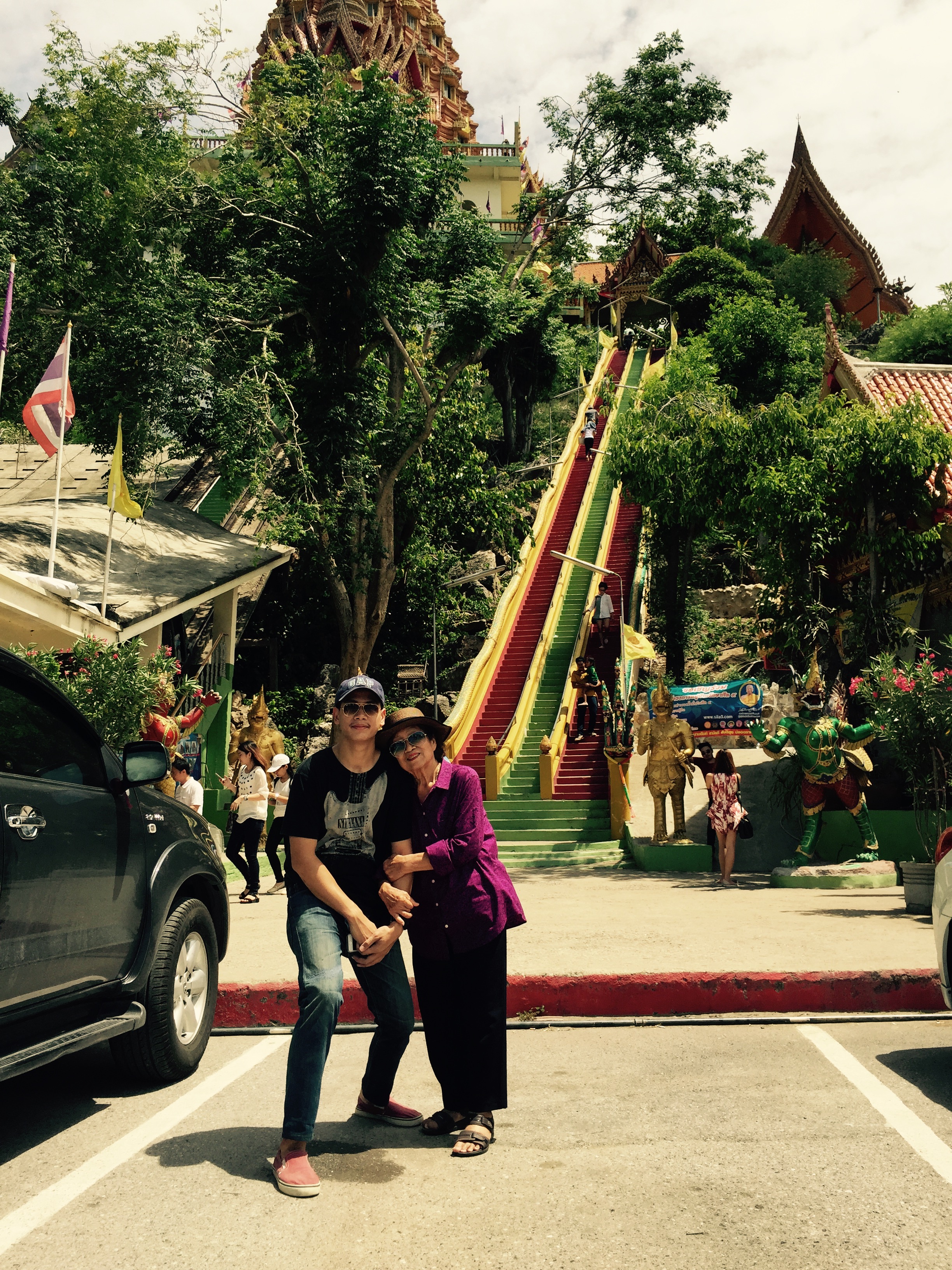
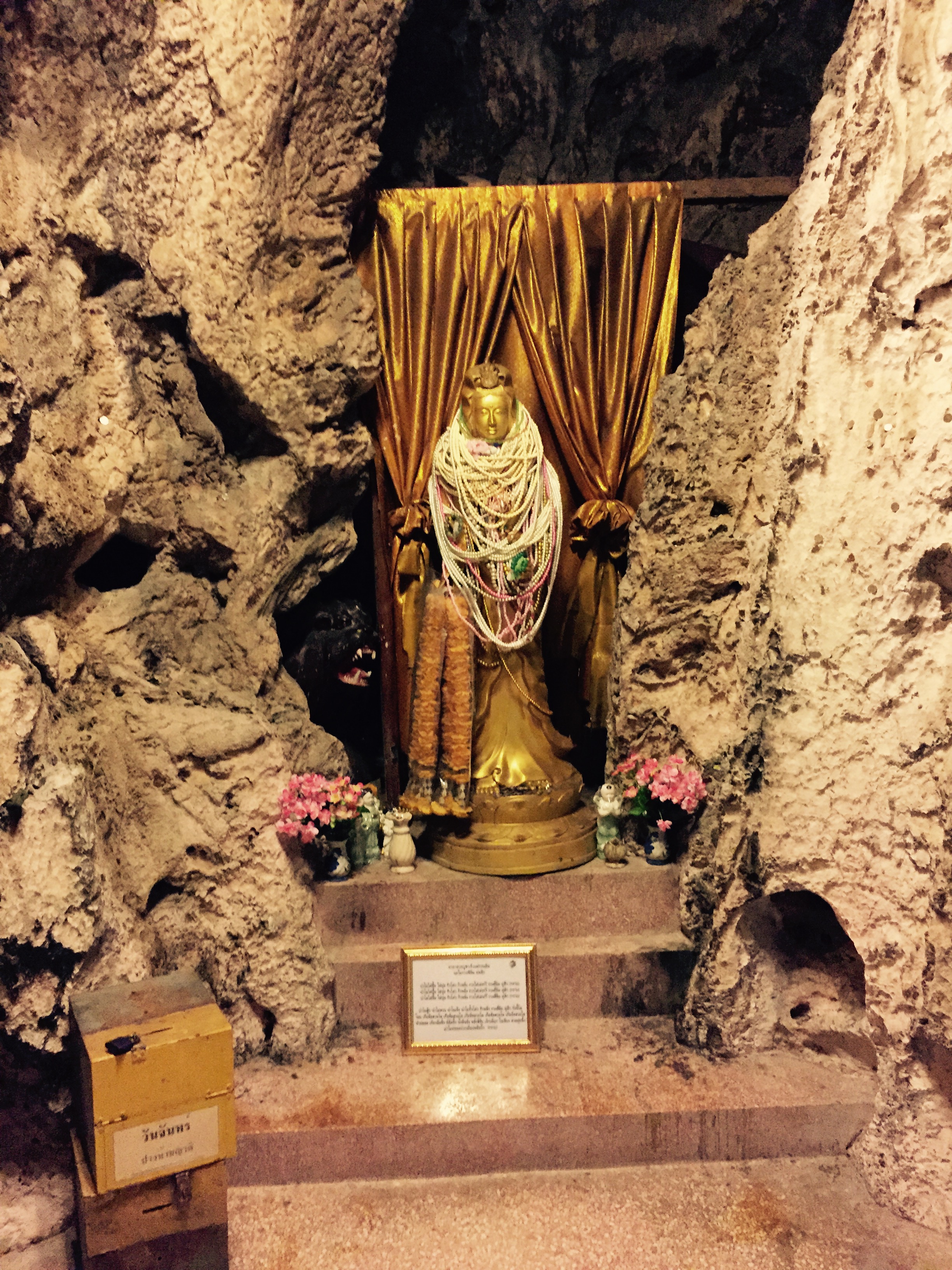



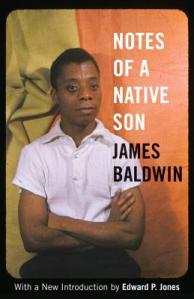
I read this collection of James Baldwin essays while visiting the in-laws in Thailand (where do you go when you visit your in-laws? Ohio? Missouri? South Dakota? I go to Thailand, so suck on that). I’m sure that I wrote down some notes somewhere, but heck if I know where I put them.
But I decided to write a bit about it anyway because Baldwin is having a bit of a moment. This past weekend we celebrated what would have been his ninety-first birthday. And Ta-Nehisi Coates new book is earning him some very flattering comparisons to Baldwin (I haven’t read his book, Between the World and Me, but I love his essays in The Atlantic).
First of all, there’s Baldwin’s Protest Novel essay. It’s sort of the elephant in the room isn’t it? But I’m going to defend Wright against him, because I don’t think Baldwin gives Bigger Thomas enough credit for being a three dimensional character; he’s not a character able to express himself very well or even understand himself, but he’s not the cardboard cutout that Baldwin suggests. But, of course, does Baldwin really believe that or was it a deliberately Oedipal move against the older writer?
Beyond that, his writing about his father was heartbreaking and tender, a masterpiece of what it means to love a difficult man, an abusive man.
Finally, a reminder of my own privilege to be white and heterosexual and have the wonderful luxury of not having to think about race if I don’t want to.
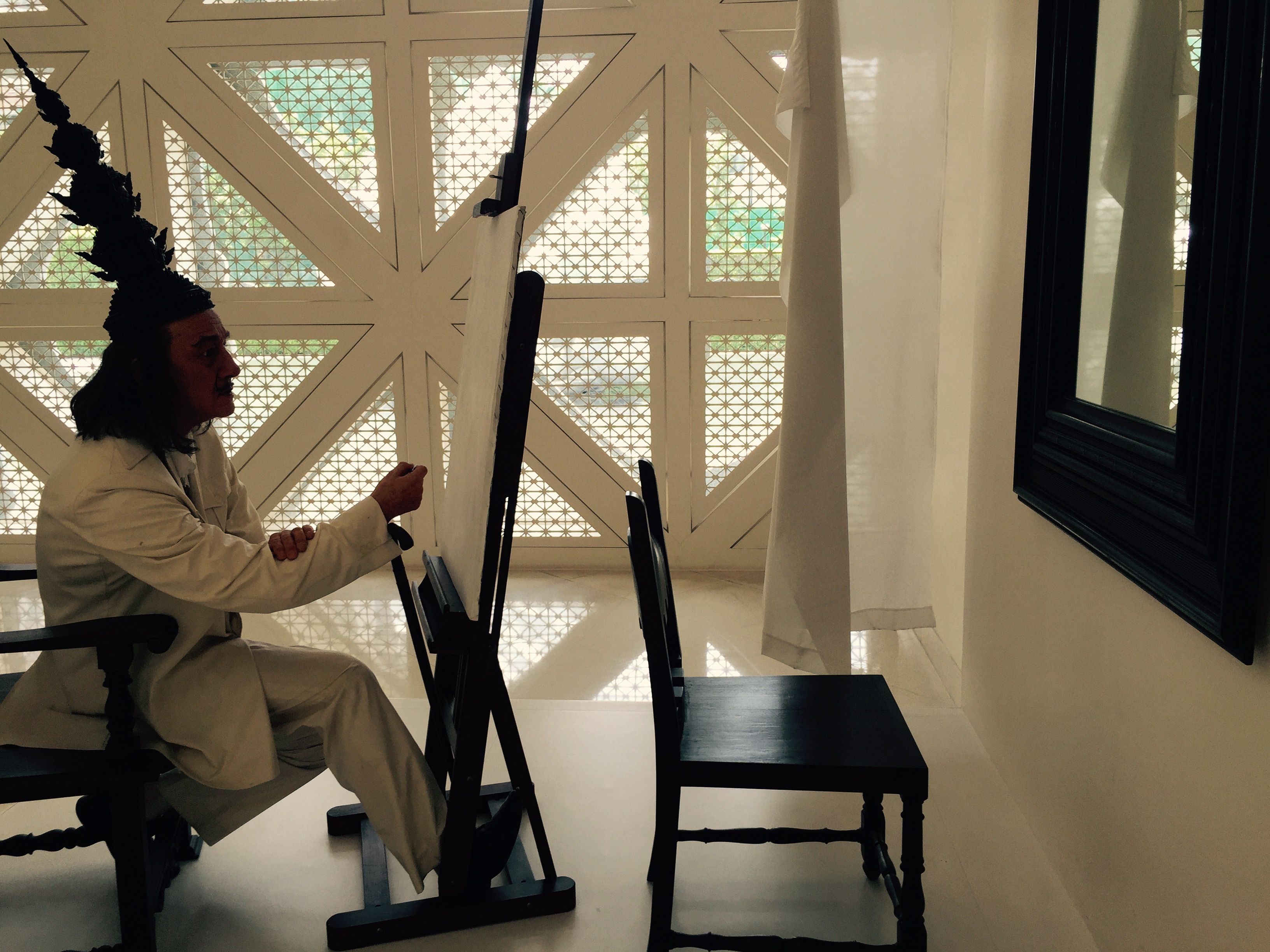
The efforts to visit the Bangkok Museum of Contemporary Art were surprisingly arduous and I only finally managed to visit it on my next to last day in Thailand.
It was designed by a wealthy businessman, who seeded it with much of his personal collection, including a portrait of his favorite actress. Apparently, the museum was also designed as a tool of seduction and contains a room containing nothing by paintings of scenes from the actress’ most famous movie (this includes a couple of paintings of topless scenes from the movie). There is also a series of paintings of a woman in various symbolically spiritual poses and forms. The woman’s face looks a lot like that actress and the woman is also topless in every painting. It’s definitely art – and good art, a that – and it’s not even very erotic, but it reads like someone said to an artist, “I need some paintings – some fine art that will last the years. It needs to be your masterpiece! One more thing – its needs to have boobs. Lots of boobs.”
By the little coffee/snack place in the museum, was a wall of signed portraits of people like Andy Lau and… actually, there were very few pictures of men. Mostly they were signed pictures of famously beautiful models and actresses, about seventy-five percent of them western.
Once you get beyond that, though, I really liked. You could see these artists influenced by Western artists, particularly surrealists. But those artists were in turn influenced by Asian art, whether directly or indirectly (as through antecedents, like Klimt). So it’s almost a case of Asian artists being influenced by earlier traditions in Asian art, but mediated through the work of 20th century Western artists.
There was a room called the Richard Green Room, actually, it was two rooms, with nineteenth and early twentieth century genre paintings, mainly pictures of people in either eighteen century dress or sort of a fanciful version of Greco-Roman dress (the latter looked a lot like some of my favorite Pre-Raphaelite paintings). There were some wonderful painting and I enjoyed the room immensely, but what on God’s green earth was the motivation behind exhibiting them in a museum devoted to contemporary Thai art?
Apparently, Richard Green is a gallery owner, specializing in those sort of paintings. I reckon those were loaned to the museum, which also makes it free advertising for the gallery and which makes it ethically dubious (most museums would not engage in this kind of thing – exhibiting painting that are simultaneously available for purchase).
They had a large exhibit by Thawan Duchanee, Thailand’s most famous living artist.
When I first saw the exhibition, I wasn’t thrilled by him. Partly, it was the curation. He did a lot of painting in black paint on either white canvass or a saturated red canvass and in a couple of galleries, the walls were painted totally red. The saturation was too much. Bad design.
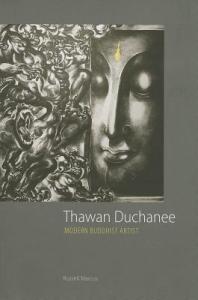
I did buy a book about him called Thawan Duchanee, Modern Buddhist Artist. First of all, caveat emptor: author Russell Marcus is neither an art historian nor an erudite amateur with a keen eye for art. He’s more of a fan boy. But, it did give me an opportunity, as I read it over several days, to revisit him and get a slightly better than understanding of what Duchanee was trying to accomplish. Certainly, he aims to be very traditionally Thai, in many ways, which hampered by ability to appreciate him at first.
I’ve made it sound horrible, but it was actually pretty wonderful and I would go again. But keep an open mind and a sense of humor.
I read the (relatively) recent novel, The Golem and the Djinni while I was in Thailand.
It’s got fantasy elements – I mean, c’mon, it’s got a golem and a djinni (and also an embittered, somewhat inept, yet also villainous, reincarnating wizard; but that’s neither here nor there) – but it’s not really intended to be a fantasy novel. Or it is, but like Atwood, it writes genre fiction that is, or is intended to be ‘literary’ fiction.
Ok, but that does that even mean (though I do love Atwood)?
I liked the book, but what did I take from it? Not much.
After thinking about it, I have a revelation. I suddenly understood Dwight MacDonald’s concept of ‘midcult.’ It’s not great fiction. It doesn’t come close. It’s intended to make us feel good for not reading trash and reading something that maybe we can pretend is great, but which is really just middlebrow ‘meh.’
Also, for a moment, I kept getting him confused with McLuhan and I remembered that scene from Annie Hall which has to be my favorite scene from a movie not involving Harrison Ford or Godzilla.
Metropolitan opens rather like a cyberpunk novel and maintains that veneer, but really, it’s a fantasy novel in disguise. ‘Magic’ is named ‘plasm’ and is generated by natural forces, but despite the science-y sounding name ‘plasm,’ and some of the science-y trappings about its use (copper grips and wires and batteries), it’s just another name for magic.
The main character, Aiah, is pretty well done. A somewhat desperate woman, whose risen as high as an ethnic minority (she is part of a darker skinned immigrant group) can in her ‘metropolis’ (the world is a single city, by the way, so place states are really city-states; also the earth is covered in a silvery shield and no one knows what is beyond, except that long ago, some ‘Ascended’ went up there and presumably locked the rest of folks in). She’s smart and reckless and you do fear for her in her desperation and recklessness. The titular Metropolitan, a sort of king in exile from another metropolis, Constantine, is decently done as a larger than life, charismatic figure. A good guy, but also willing to sacrifice a lot of lives to accomplish nebulous goals. Certainly, his appeal gets across. Also, he’s black, so credit to Williams for making the two main characters people of color and the lead a woman of color.
I enjoyed, but didn’t love it. And I probably won’t read the sequel. If you see it in a used bookstore, go for it, but that’s the most recommendation I’m giving.
On another note, I read this on my Nook app on my phone – mostly while stuck in Bangkok’s snarling, scrotum tightening traffic (I was not driving; there is a whole list of painful and possible fatal thing that I would do before driving in Bangkok, including taking career advice from a box of broken glass that has hated me since I was two and three quarters years old).
First of all, let me say that I’m perfectly happy to continue calling it Remembrance of Things Past, even if In Seach of Lost Time or what not is more admirable, desirable, and reflective of the French. I like the elevated, Shakespearean, Miltonian, Blakean language. For a similar reason, I’m also happy to restrict myself to Moncrieff’s more ornate prose over supposedly more accurate, informal translations, just like I, a Catholic, choose to read the heathen King James Bible (because it reads better; also, I did speak to a priest and his general response was something along the lines of ‘I’m just glad you’re reading the Bible’).
After noting that superficial resemblances between Powell’s Dance to the Music of Time and Remembrance of Things Past, it was inevitable that I should lug the oversized paperback containing the first two books along with me on a trip to Thailand and take a stab at re-reading them. For me, visiting new and different places is a great opportunity to read books in new and different places. Can’t properly say, though, that being in Thailand significantly altered my reading of Proust, though.
I did, however, see clearly that really, it is only scope of time that unites Powell and Proust. Powell is more propulsive. One feels history pass. Meanwhile, Proust arguably wrote and seven volume epic about a man having trouble falling asleep. Which isn’t to say that it’s not riveting, because it is. It’s more like Joyce or Nabokov. You have to let yourself enter into an immersive state to enter the heightened, prosified world.
While re-reading the great section, Swann in Love, I was struck by how Swann’s affection for Odette was tied to relating her appearance to some classical sculptures and thought of a story from Gautier’s Fantoms who really only loves through art (and who is seduced by a Roman antiquity come to life). Certainly, I got a much better sense of the strange flow of Swann’s love affair. If you’ve ever been in love, particularly when that love is only partially reciprocated (much worse than being flatly refused), it will cause your memories to ache.
It’s true. But they’re crispy and usually wrapped about some kind of meat. Sometimes meat on stick. Like corndogs, only with a crispy waffle folded around it, instead of fried corn meal.
 the coffee philosopher