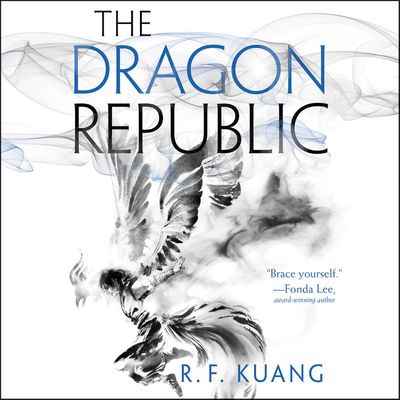
 Like the first book, The Dragon Republic was good, but for my personal appreciation, a victim of its own hype. It’s good, but not as good as the buzz surrounding it.
The political machinations are fascinating, but the landscape seems undercooked. I have a good sense for the point of view character’s internal life, but no real sense of what anyone looked like. I don’t need to detailed pictures, but for whatever reason, I just couldn’t see these people in my mind.
The various stand-ins for real world nations and peoples (China under one of the less successful dynasties; imperial Japan; European colonizers) are too obvious to make the world feel totally real to me.
But it’s still better than most of what’s out there and it’s not fair to expect so much than I expect out of less ambitious and less promoted books and I will probably read the third book when it comes out.
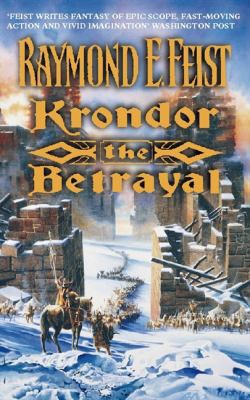 Krondor the Betrayal doesn’t have a colon, despite obviously needing one. It is very much like the other Raymond Feist I have read, only even more in debt to Dungeons & Dragons rules and tropes.
 I assume he also had the benefit of an anonymous co-writer. I remember well the placement of these books in the Dunedin Library when I was in high school and later the TV movies and series.
 I appreciated that ‘hardness’ of the science fiction, by which I mean that it doesn’t, for example, hand wave moving faster than light; travel can take centuries because ships can only approach light speed. I am most reminded of Dan Simmons’
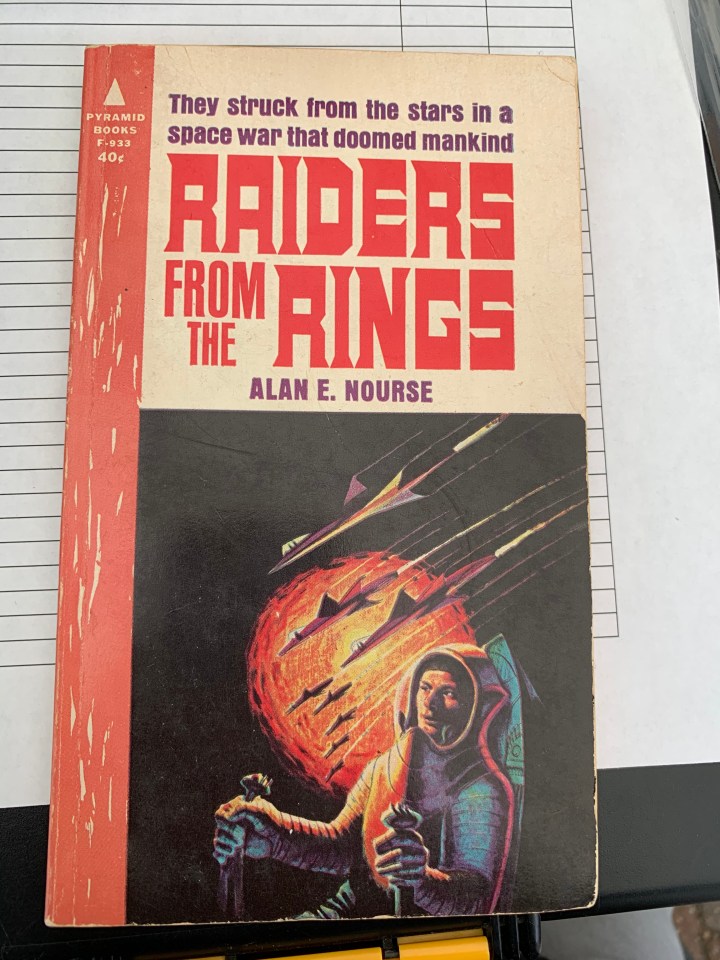
 I knew about Richard Blade because the first fifteen or so pages of the first Doctor Who novelizations I ever read contained an essay by Harlan Ellison extolling the virtues of the good Doctor vis-a-vis Star Trek and Star Wars and a teaser for the Richard Blade novels.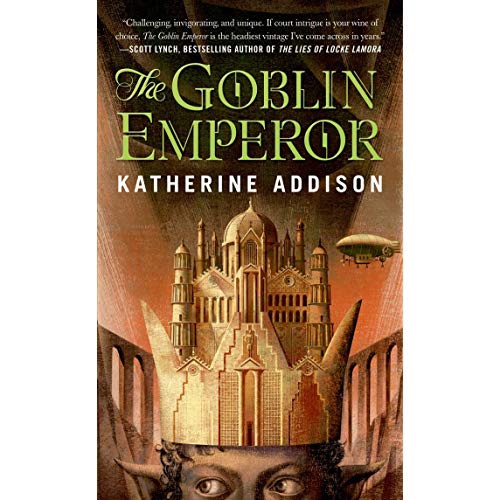
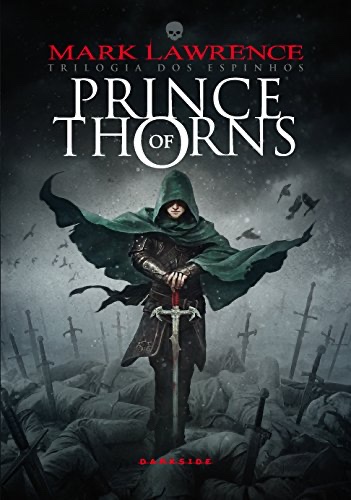 Not easy to get into, but grew on me. The hero is a young sociopath who maybe has an admirable goal? It opens setting him up as such a despicable character that I rather expected the real protagonist show and kill the teenage Jorg Ancrath. But, of course, he was the hero.
 the coffee philosopher