 Leigh Brackett wrote heady, thinking person’s sci fi, pulpy space operas and planetary romances, and also worked on the script for The Empire Strikes Back. I’ve read a little of her pulp (one of her Eric John Stark novels/novellas – an homage to Burroughs’ Barsoom novels), but it’s more books like The Long Tomorrow that have made her important to the history of sci fi.
The Long Tomorrow is post apocalyptic, but more in a Canticle for Leibowtiz way than a Road Warrior way. The world is still around. She’s thought out some interesting implications (the new America is politically dominated by groups descended from Mennonites, because they were already reasonably self sufficient in the absence of much technology; and America still exists, but it’s a lot more low-tech).
The evolution of the main character, Len, is interesting. It’s not that he’s super smart, but he is a thinker. More, he can’t help thinking and can’t help taking his time when thinking, but then, in the end, acting on the implications of what he has figured out.
The ‘twist,’ if that’s what it is (and it just might be my interpretation) is that the secret colony of scientists may just be spinning their wheels and the answers may not exist. Which also might be the point of Len’s thinking.
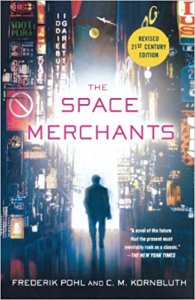
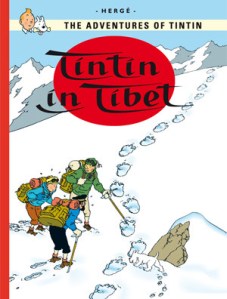
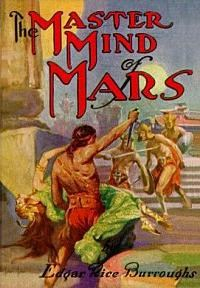

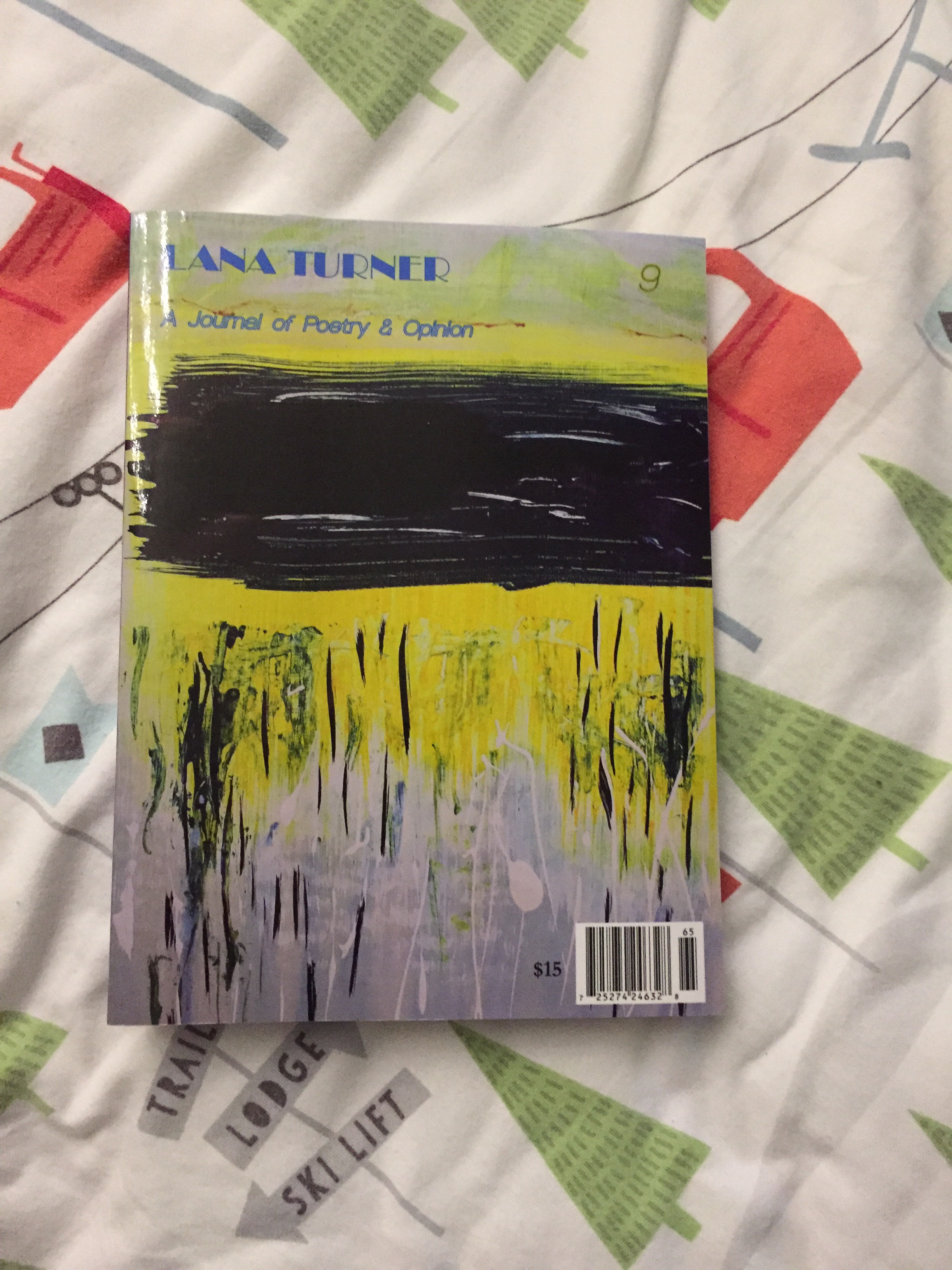
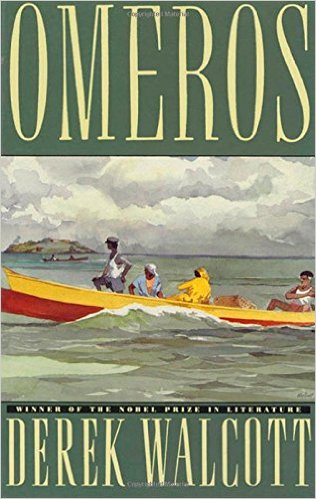
 Because Derek Walcott died, I started carrying
  stab of disappointment at the ending, but then came around to it (coming around more fervently, though, than with the next book). The ending seemed too abrupt and unearned, but I came around to an understanding that the book itself was about the unknowability of others.
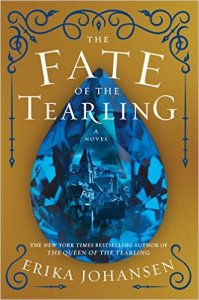 pretty sure that it says more about me. And, even more than it says more about me, it says a lot about the fantasy genre (and not in an entirely good way, however much I love it). I came around to the deux ex machina ending, but that didn’t make it earned and the book lost much of the goodwill earned from the first two, but credit where credit is due: this was a genuinely feminist series, with serious advocacy for birth control and female sexual agency. The final book also become decidedly anti-religious. Earlier books had posited the fantasy world’s church leaders as enemies, but now it got pretty anti-religious. Meh. Not going to argue that point.
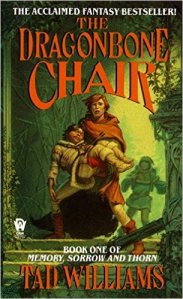 an awkward kitchen boy in his early adolescence) and as soon as I was done, I immediately downloaded the second book (sadly, not available at the library). My one quibble is that some of the world building uses some lazy thievery from the ‘real’ world. The great king, whose death opens the way for the turmoil that makes up the plot, is Prester John. Some of the cultures and their naming customs are too obviously taken from Western Europe. Not a major issue (and the world itself is quite unique), but just felt lazy.

 the coffee philosopher