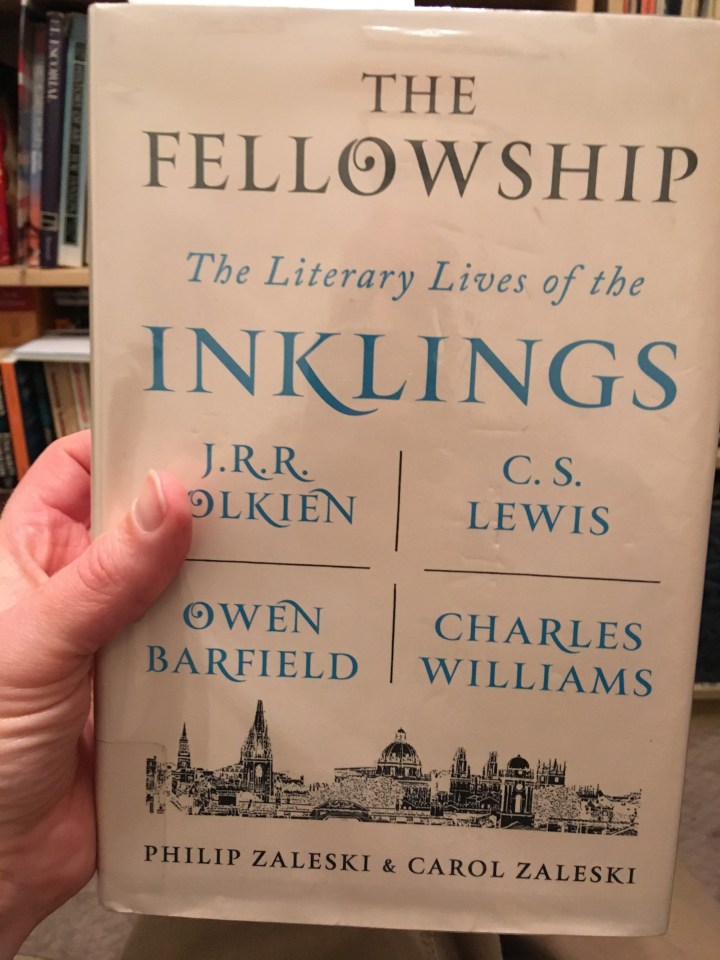
This is a somewhat half hearted effort to convince the reader that Barfield and Williams are at least half as important as Lewis and Tolkien, undermined by the authors’ own apparent lack of belief in that aspect of the project and by a consensus of opinion which they seem disinclined to challenge.
Towards the end, they set up poor Barfield, by describing his intent to meet the challenge laid down by his peers’ successes and to write his magnum opus. It’s a big set up, narratively, but ends with the admission that few liked it and barely more than that even noticed it was written.
Structurally, they probably could have just focused on Lewis and Tolkien and then included a wider variety of other Inklings.
But, I learned a lot about them and it was interesting, because I like Tolkien and Lewis. I like ’em a lot.
The Zaleskis, without becoming prurient or even mentioning it again, makes a good argument that Lewis and Mrs. Moore were having a sexual affair, which convinced me. It doesn’t change my opinion of him, it’s merely nice to have some resolution, in my mind, on the matter.
Likewise, I had not realized just how devoutly Catholic Tolkien was nor how important it was to his Middle Earth novels (he went to mass daily for most of his life).
But… I can’t help but be a little disappointed. I had been hoping to learn about another Bloomsbury group or another Transcendentalist circle or another Paris in the twenties, instead, learned about a group of intelligent and interesting academics, two of whom happened to become very, very famous and were very important writers. And I put the book feeling that the authors didn’t really like the works of Lewis and Tolkien all that much, which feels almost like a personal insult to one such as I, raised on Narnia and Middle Earth (though they seemed to like two lesser read Tolkienalia, Farmer Giles of Ham and The Smith of Wooton Major, both of which I loved and read over and over again as a child).
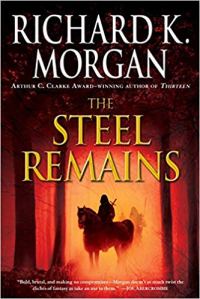 Written by the author of Altered Carbon (which I still haven’t read), The Steel Remains is a sort of grimdark fantasy (I hate that term) which partakes of some of the earthier moments of George R.R. Martin’s as yet unfinished septology (is that the word?) but more of the granddaddy (I would say), Glen Cook and his Black Company. Indeed, the three main protagonists would feel right at home in that titular company.
 I read the first book,
  The missus and I have become fans of the Man in the High Castle television series and it seemed just wrong not to take advantage of the hiatus between the third and fourth season to read the book.
 This book got a lot of attention and good press and I was genuinely excited to read it. To add some extra the spice, the author is from right here (Washington, DC; though I guess she has since moved). It lauded as a move away from western-centric fantasy and through some interesting, drug based ‘magic.’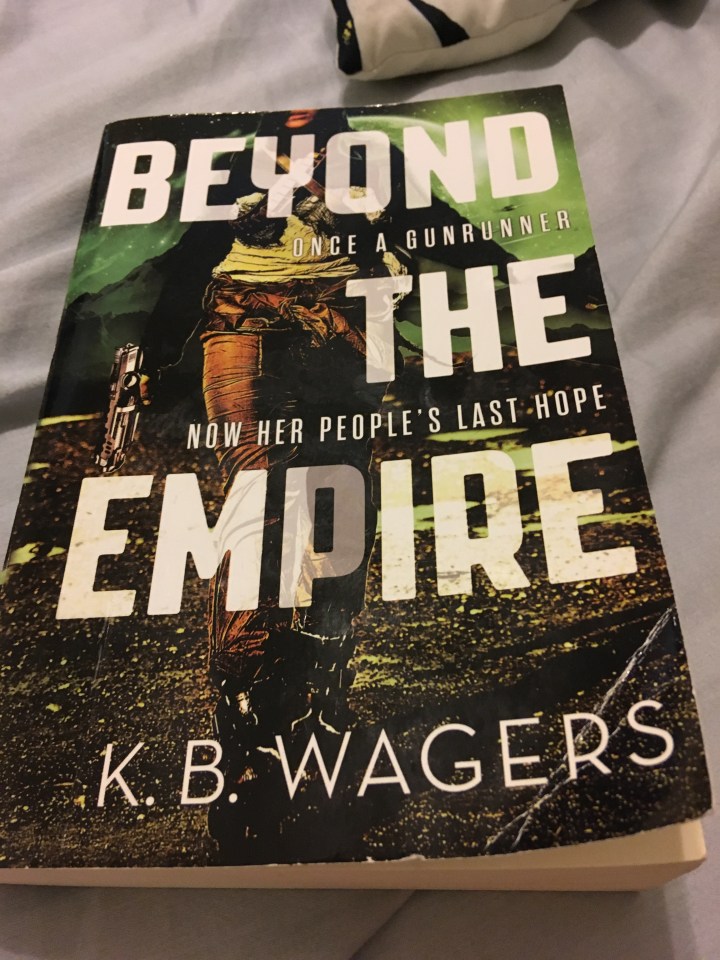
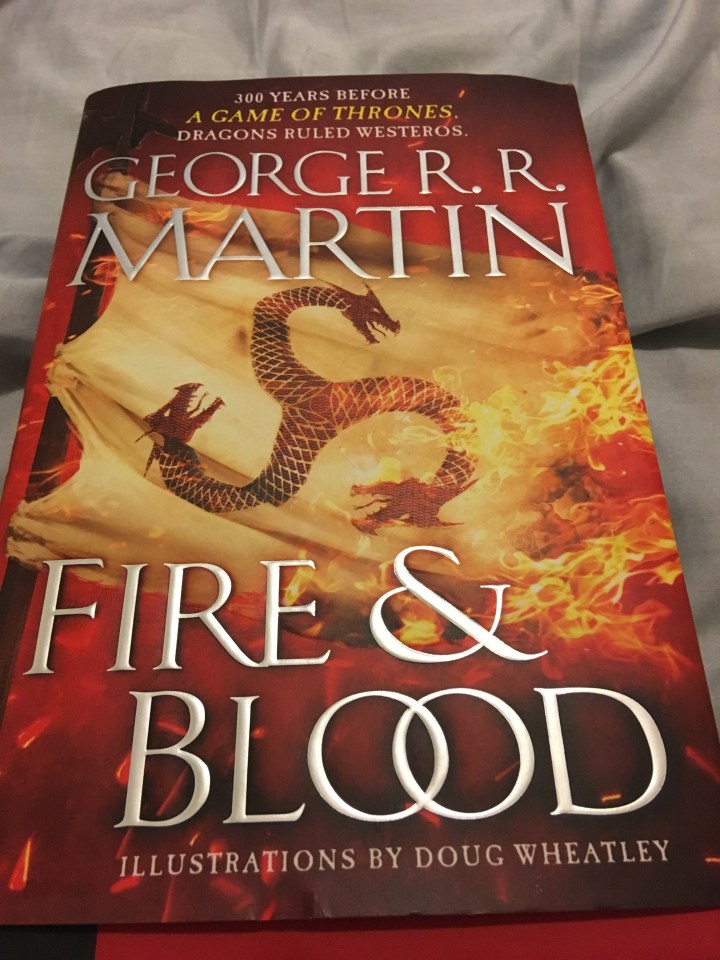
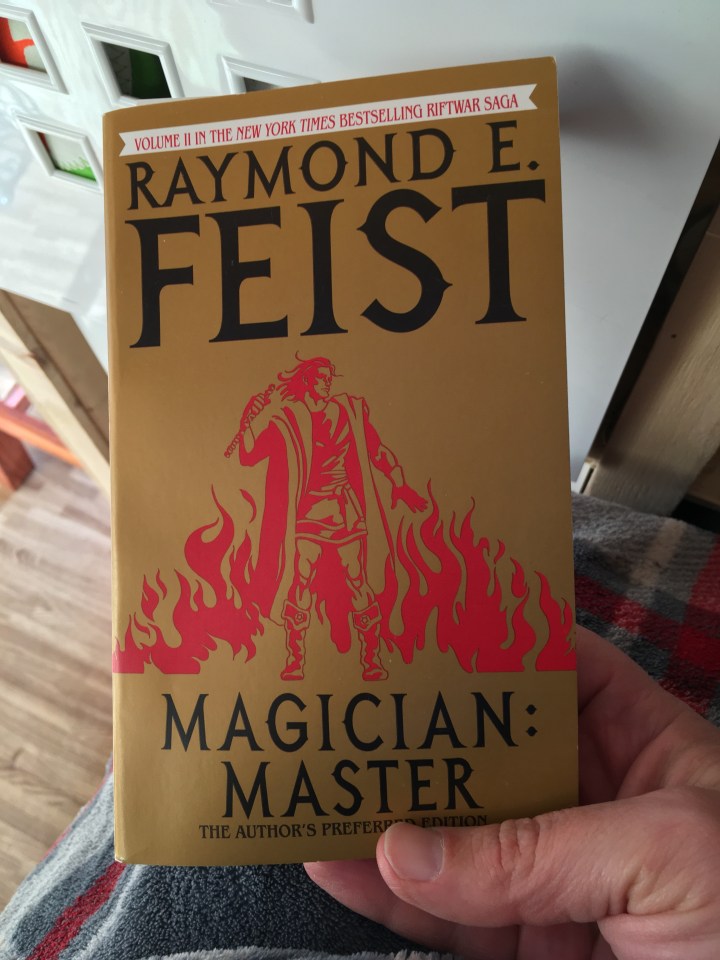
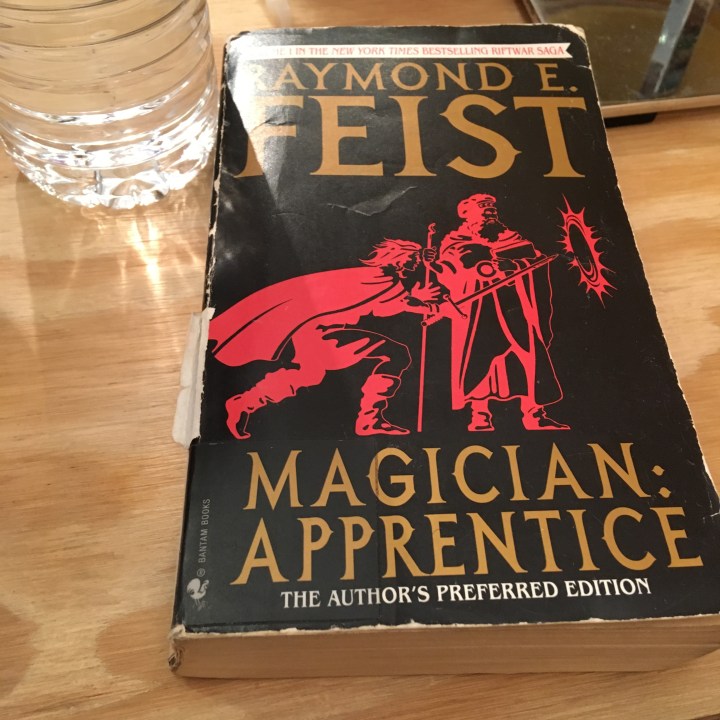 I enjoyed it and I feel like it improved over the course of the book, but… I have a question for those who might know: did he shameless rip off Dungeons & Dragons or did D&D shamelessly rip off from Feist? Because the magic system seems like a good faith effort to justify/explain the D&D system of magic (which is all about creating a justification for why wizards shouldn’t be all powerful).
 Yup. Still reading these. Next up is Swords of Mars, which features John Carter as the protagonist for the first time since the third book (I think Fighting Man is the sixth or seventh book). But let’s not talk about John; let’s talk about Tan Hadron and his lady love, Tavia.
 the coffee philosopher