Weekend Reading – Through The Wardrobe


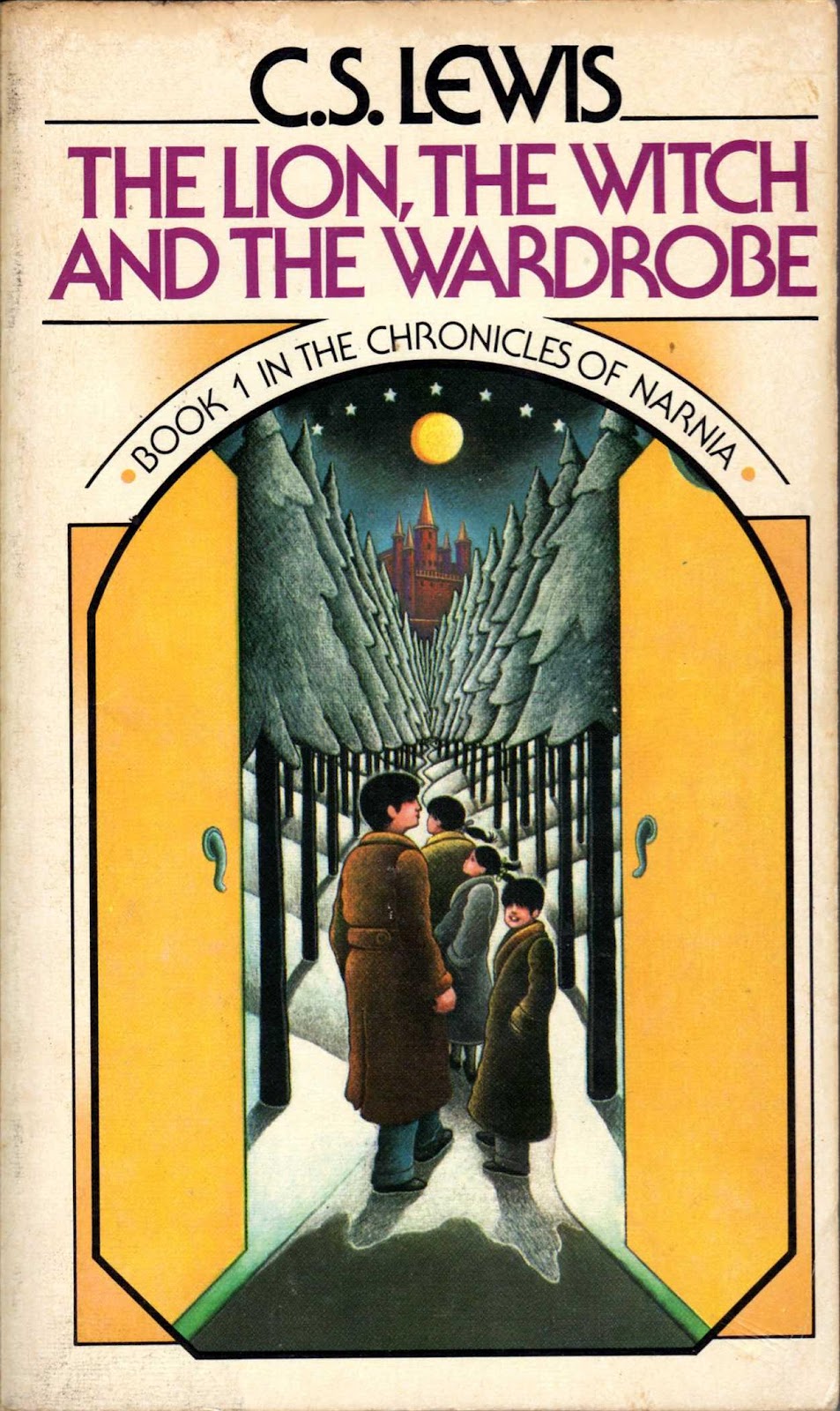
The Lion, the Witch, and the WardrobeI’ve never read Grossman… and I still may not. There are a lot of books on my ‘to read’ list, after all, and I’m not feeling like moving him up to the top of the queue. But now, I want to go back and devour C.S. Lewis. The picture is the cover of the edition I read as a child. It was the only one available at the time and sometimes it was sold in a big, boxed set. Mother searched everywhere to find all the books for me – this being back in the days when the internet was something that only DARPA used. They’re still magical books to read and Grossman touches on something very true when he notes the great economy of language in The Lion, The Witch And The Wardrobe. Great economy, but economy that feels very luxurious. I’m always amazed when I go back and read about the delicious foods that Tumnus the Faun served to Lucy: I remember sardines on buttered toast, in particular. But when I go back, it’s not as long as I remember. I remember it being a great, neverending feast with richly described (and very English) delicacies, but it’s really only a paragraph or two. If you want to move beyond the Narnia books but are wary of his Christian apologetics, try A Grief Observed about his own grief following the death of his wife and about grief in general.

Holy c–p! Slate.com published a review of a book of poetry! Should we have a party?

Ezra Pound: Canto LXXIX


Pound is on a roll. This was a fun one. The opening tastes of The Wasteland – or, rather, the Pound who contributed so much to the final form of The Wasteland.

Though he still peppers it with Chinese characters and uses the Roman names of some deities, the feel is very Greek (and he does pepper it with many Greek words).

              and on the hill of the Maelids
in the close garden of Venus
                            asleep amid serried lynxes
set wreathes on Priapus

I’m not entirely sure why Pound seems obsessed with lynxes in this one. He’s really obsessed.

           O lynx, guard my vineyard
As the grape swells under the vine leaf

‘Jejuri’ By Arun Kolatkar


I’m not sold on this collection, on the whole, but then something like ‘Chaitanya’ reaches out and grabs you by the throat.

Chaitanya
sweet as grapes
are the stones of jejuri
said chaitanya

he popped a stone
in his mouth
and spat out gods

But a few, really great poems don’t detract from my overall impression: these are not particularly masterful poems. Maybe it is because these were written in English (not translated into English) and his poems in his native Marathi account for his small fame.

Or maybe I just don’t get it.

9781590171639

The ‘Poundian Form’


Having just re-begun reading The Cantos, it was appropriate that I came across a reference to the form of his masterwork that pulled me up sharply and made me take notice:

The intertextual reference to Fray Durán, alongside the phrasal fragments and use of colons to separate images, takes a Poundian form, that of the Cantos Pound — the poetry coheres through a series of disjunctive sutures — demonstrating what Perloff means by her question about taking up the experimentation of the early twentieth century. This is an ideogrammic method applied to Mesoamerican mythology. The poem is crammed with vagueness, and its strokes lend only the slightest impression of its context.

That’s from an article in Jacket2 about avant-garde Latino poetry. It made me think about my struggled with Pound and whether the remark about cohering through ‘a series of disjunctive sutures’ could be a skeleton key of sorts? And the pit about Marjorie Perloff’s remark reminded me of how important Pound’s experimentation was to the younger me and how eternally relevant high modernism remains.

Ezra Pound: Canto LXXVIII


This Canto was a lot more fun to read than its immediate predecessor.

This poem is ultimately about and the unintended consequences of even good intentions.

Near the beginning:

Cassandra, your eyes are like tigers,
     with no word written in them
You also have I carried to nowhere
           to an ill house and there is
                                no end to the journey.
                                The chess board too lucid
the squares are too even…theatre of war…
” theatre ” is good. There are those who did not want
      it to come to an end.

And then the very end:

In the spring and autumn
      In “The Spring and Autumn”
                                                    there
                                                      are
                                                       no
                                                righteous
                                                     wars

Is Pound feeling regret? How does this Canto reflect changes in his attitude? Or are there changes? He could still be a monumental fascist ass, yet oppose war, couldn’t he? That’s not a statement; it’s a question.

9780811213264


Ezra Pound: Canto LXXVII


Obviously, this is my first Canto for some time. Not really the best one, if you’re going to dive back in.

It starts out with some of Pound’s Gertrude Stein-like efforts to mimic American colloquial speech, like:

” I’ll tell you wot izza comin’
Sochy-lism is a-comon’

But the rest is interspersed with Chinese script and, oddly, one bit of Persian, which I believe comes with a reference to the Persian epic, The Shahnameh. There is even a little glossary of the Chinese characters, not that I entirely trust it (you can see why in the picture – ‘bi gosh’).

Most of the rest is a series of name droppings: Cocteau, Daudet, Voltair, Goncourt, etc.


20140729-190327-68607405.jpg

20140729-190329-68609018.jpg

20140729-190330-68610848.jpg

Monday Morning Staff Meeting – New Media Is Destroying Culture Creators


Along came the web, which swept away hierarchies — as well as paychecks, leaving behind creators of all kinds only the chance to be fleetingly “Internet famous.”

You could sign up for Kindle Unlimited and pay $120 a year for a very limited number of the books your want (but a nearly unlimited amount of Fifty Shades fan fiction), or you could walk to your local library and borrow the book you want for free. You can even borrow e-books! And, if they don’t have the book, you don’t have resign yourself to reading bad smut instead, but can use the interlibrary loan system! For free! It’s a public service! And by walking to the library, rather than sitting on your coach and downloading Fifty Shades of Bad Sex Writing, you are also fighting obesity and adult onset diabetes! Which will help bend the curve on rising national healthcare costs! You are literally saving the country from bankruptcy by going to the library instead of paying Jeff Bezos money. Word.

On being a poet in the world and on writing poetry in bars.

The ‘Poet Voice.’

Weekend Reading – Dungeons & Dragons Made You Possible
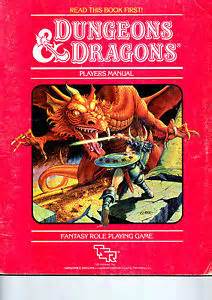

thCA1MWRJ8Cutting one’s writing teeth on games of Dungeons & Dragons.

The worst part: we actually need to defend the importance of critical thought.

Lots of people read poetry, but not many people buy it.

Midweek Staff Meeting – Unpopular Philosophies


Michael Oakeshott and  the ‘politics of mortality.’

Books and bookstores are an essential social good. So say the French. Can you really disagree with them on this?

Amazon invents a library. That costs money to rent books.

Just because I love poetry, does not mean I appreciate sentimental blather about poetry.

My all-time favorite reply to the question “What is the one thing you like least about reading in print?” came from an American: “It takes me longer because I read more carefully.” Isn’t careful reading what academe was designed to promote?

A union for bookstore employees!

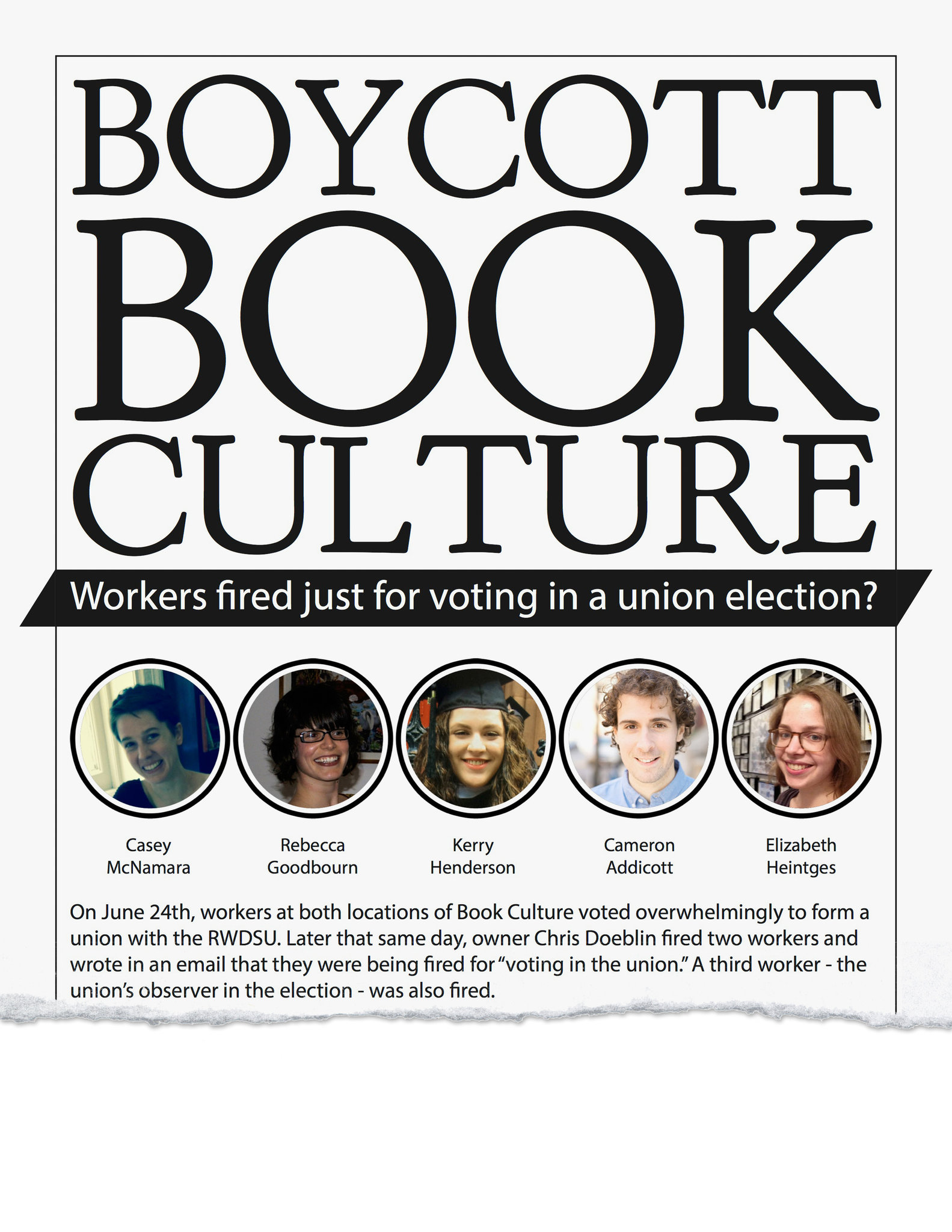
Please note: this is from the organizing campaign. Book Culture employees are not unionized and the store rehired a bunch of fired workers.

Midweek Staff Meeting – Old School


The original avant-garde.

Philosopher Anthony Gottlieb is not a philosopher. Or something like that.

Go ahead – be wrong.

Class poetry.