It’s Called The ‘Poet Sofa’


Designed by Danish furniture maker, Finn Juhl. That is all for today.

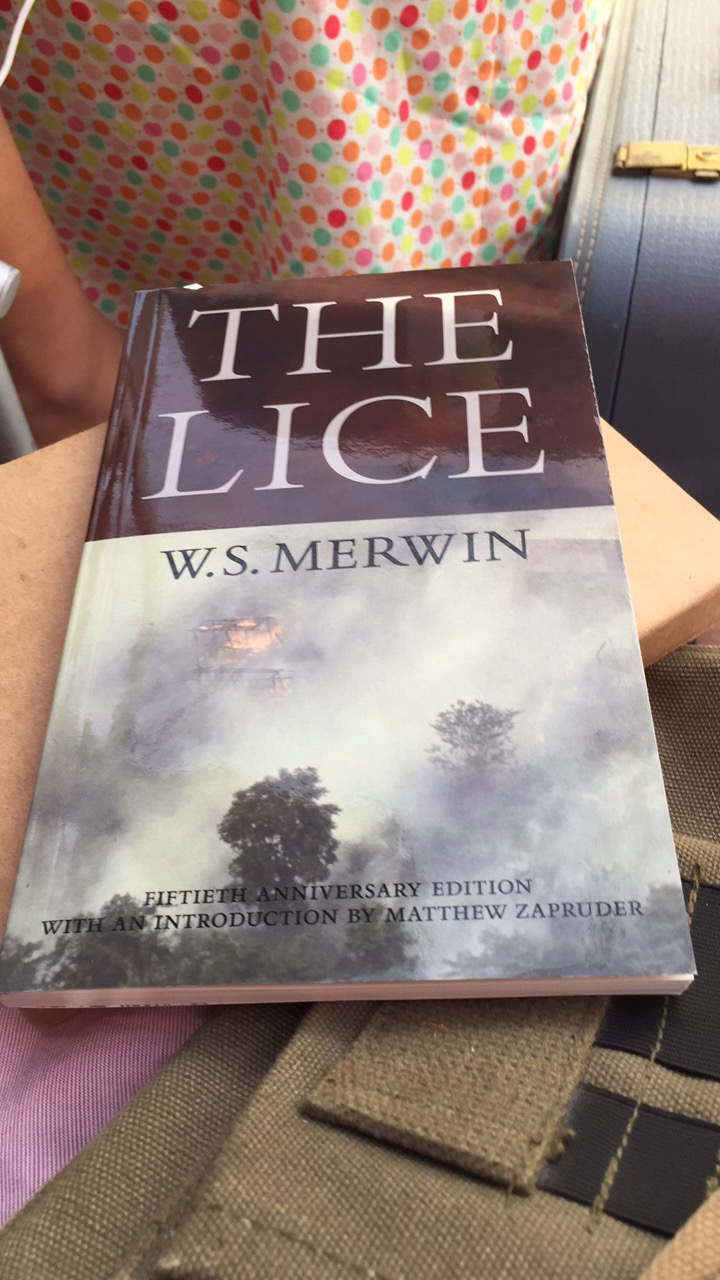
The Lice


I do not join in the universal adulation that Merwin receives, not because I don’t enjoy him, but because I feel that he published two amazing, near perfect collections and everything that has followed merely repeats those successes to diminishing returns.

However, one of those two books is the recently reprinted (in honor of its fiftieth anniversary) The Lice (the other is Carrier of Ladders).

Both tackle his most prominent themes: environmental destruction (which becomes tied up with our own mortality) and opposition to war.

There’s not much to say that hasn’t already been said about this book. Now that it’s no longer nearly impossible to find, please look for it.

And don’t let me put you off the rest of his poetic career. He’s never done anything bad. I just don’t feel he’s done anything new since The Lice and Carrier of Ladders.

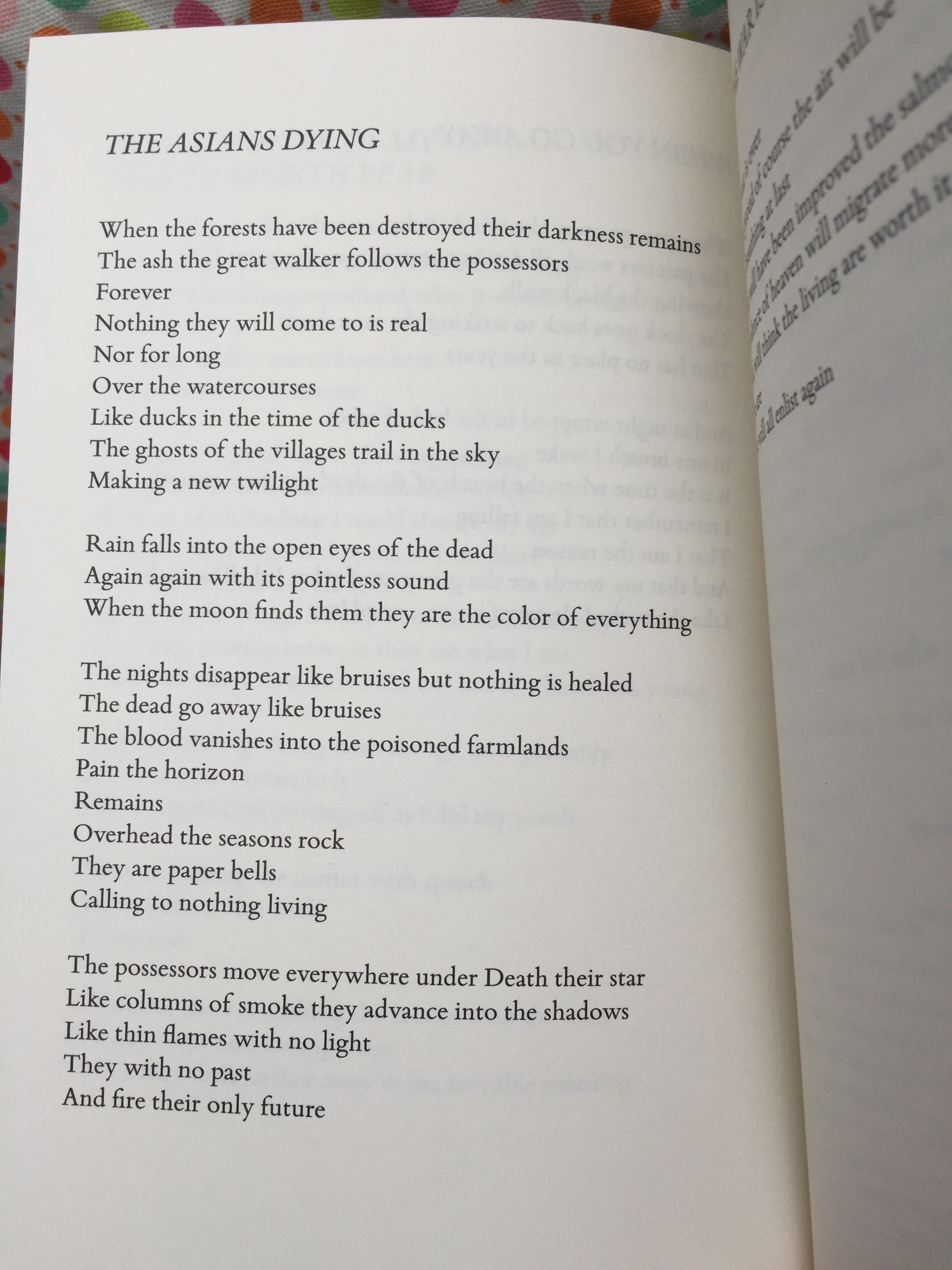
And I included an image of The Asians Dying because, while it’s unusually direct, is also perfectly devastating.

Mushroom Men From Mars


A battle of wills and stratagems betwixt Ru, the cunning and enslaving fungal sentience from Mars and Zaro, the last man not conditioned to avoid violence and war. And a secret tribe of Anarctican survivialists. And three or four deus ex machinas.

But you know what? It’s a brisk, snappily paced read, pleasantly and constantly propelled forward.

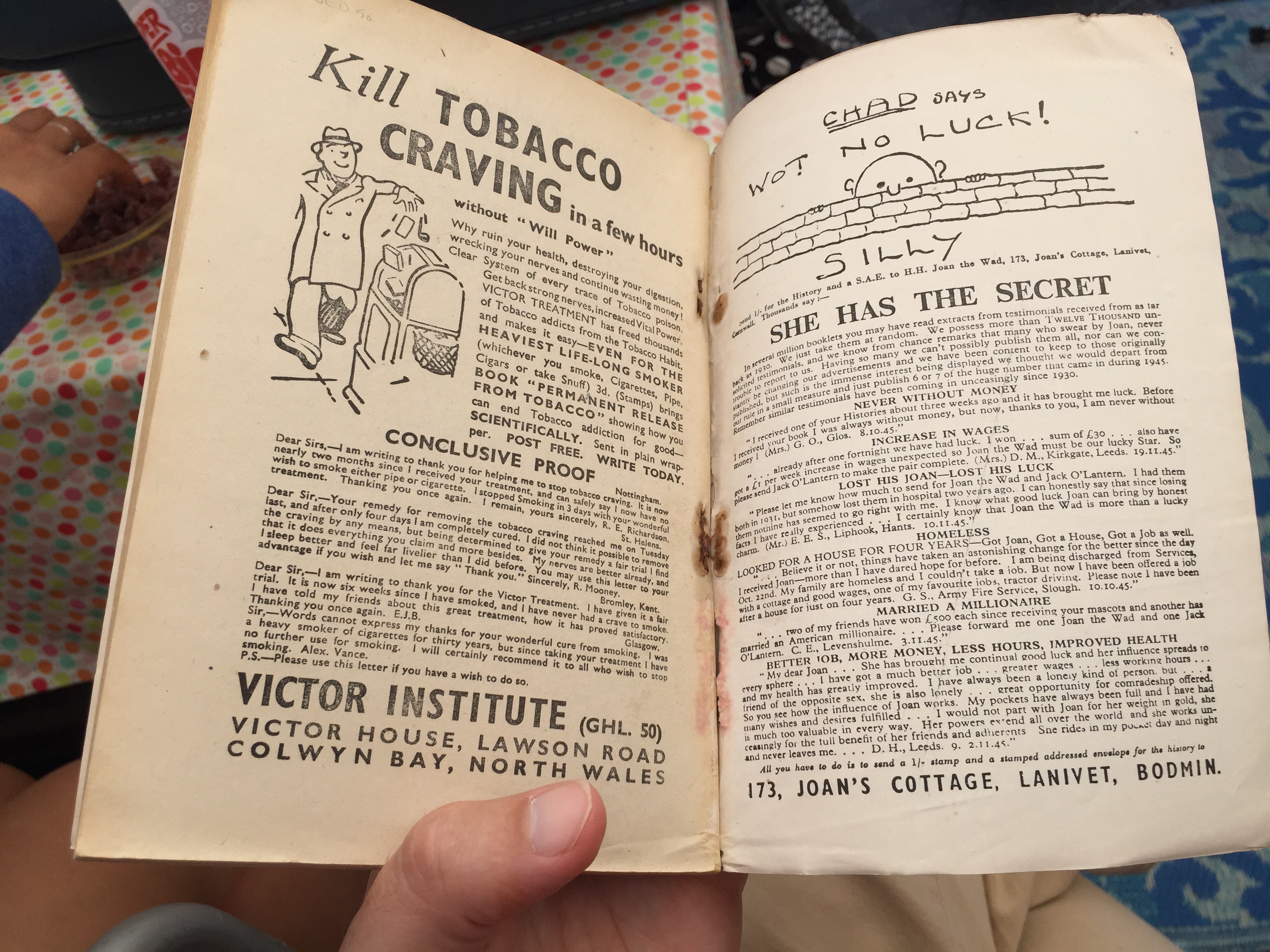
Also, these awesome ads at the end.

What To Do With Periodicals


I also get Foreign Affairs and the weekend Washington Post.

Leaving the WaPo aside for the moment, I often don’t feel sure what to do with my other periodicals after I’ve read them. They all have wonderful staying power. Who would object to going back and reading some of the great articles published in the New York Review of Books down the road? But, conversely, who does want to risk being that person whose home is stacked with piles of  moldering newspapers, becoming the subject of a sad human interest story after the fire department has to bust down the door once your sad, lonely, and malodorous corpse becomes decayed enough to alert the neighbors?

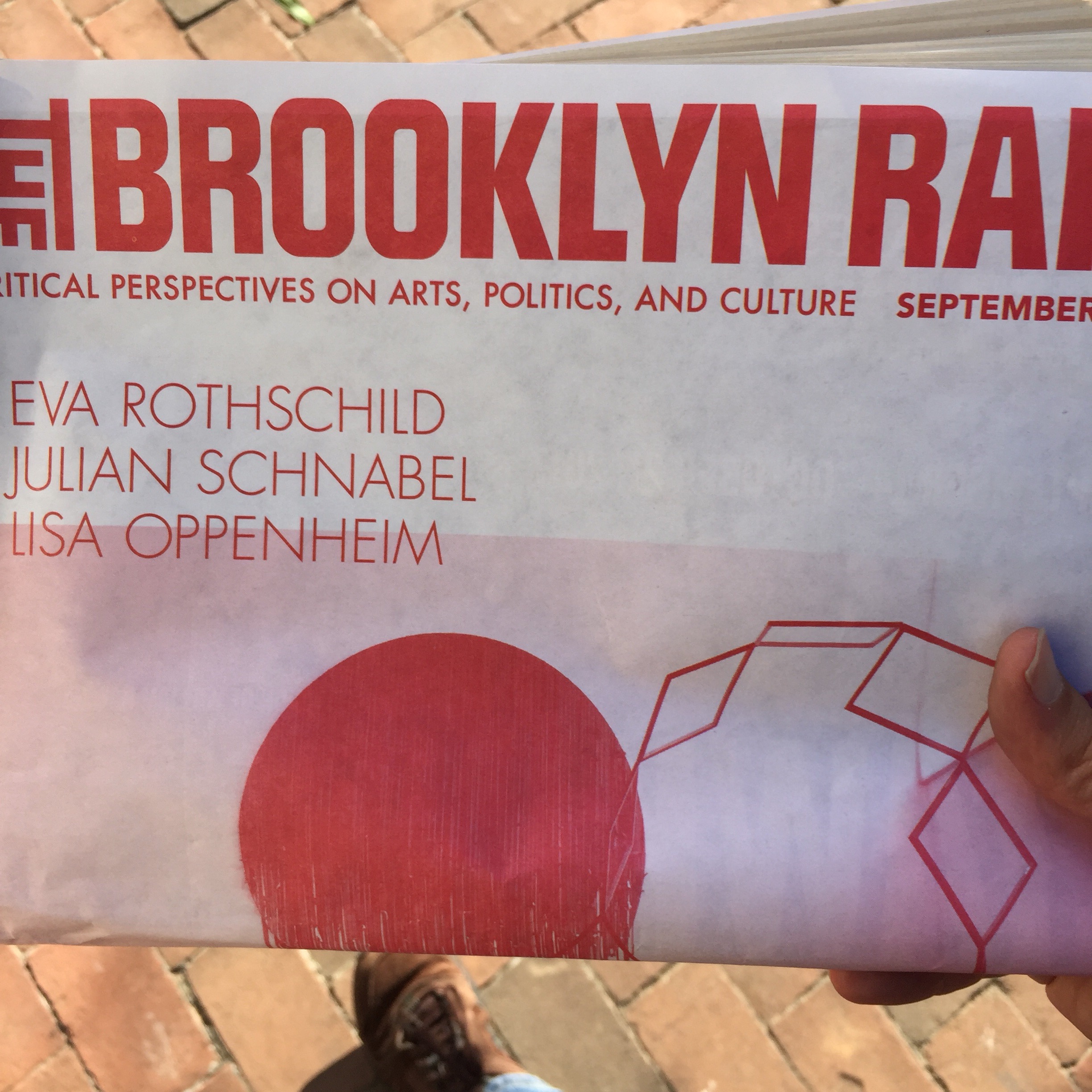
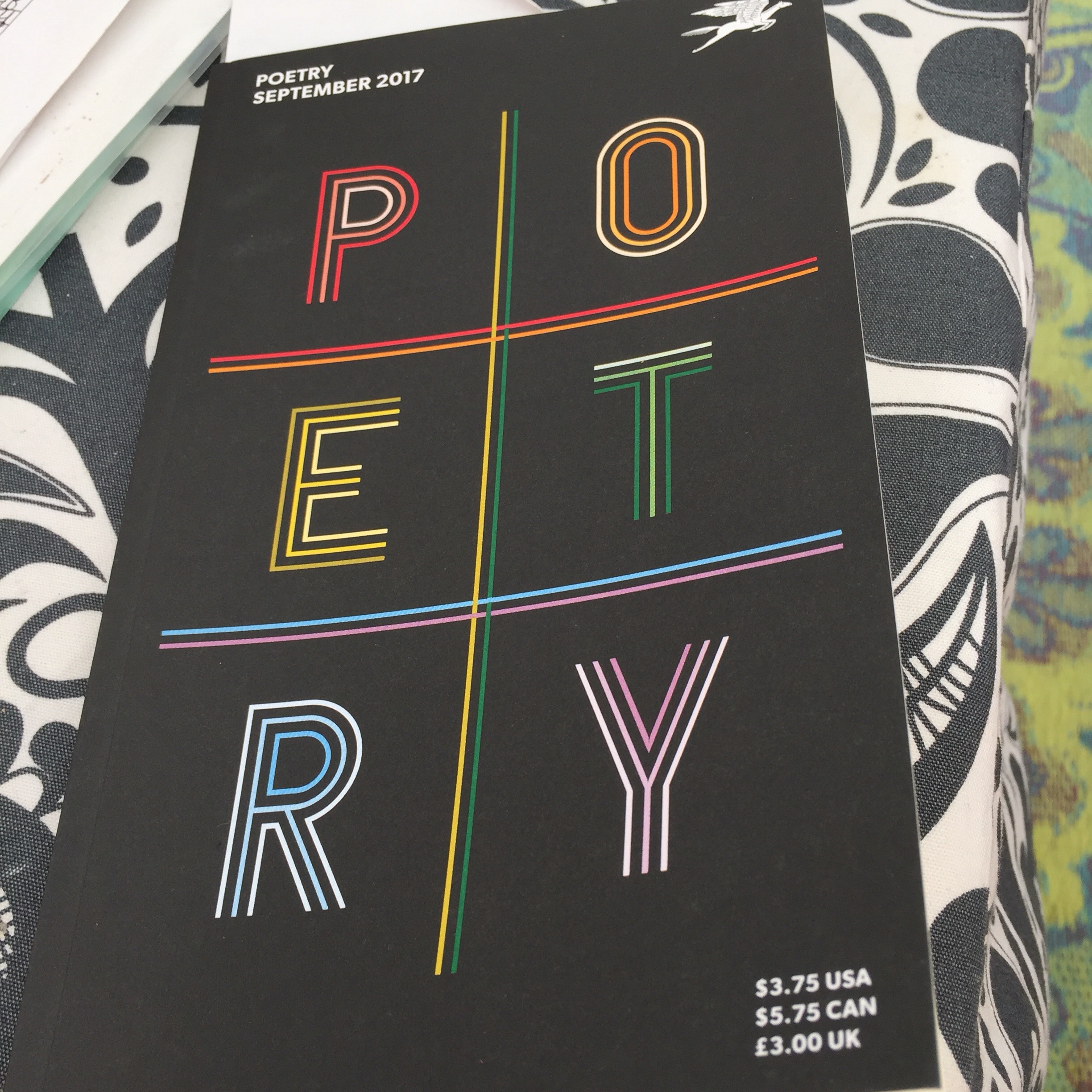
I have kept the Poetry issues because they are small and fit easily on bookshelves. Sadly, I have decided that Brooklyn Rail, for example, is more likely to become a testament to my own cluttered nature than a source of continued enlightenment through the years. So I toss them in the recycling.

Deryni Checkmate


http://amzn.to/2xORJpl

I might not have read this book at all, had I not finished all the books I brought with me for a day outside and had the nearest library not had this sequel to a novel I read maybe a year or two ago. Read more

‘The Children Of Hurin’ By J.R.R. Tolkien


Lately, in honor of the 80th anniversary of The Hobbit, there have been some defenses of Tolkien’s works as more morally nuanced than they are given credit for.

It is this truth which makes The Children of Hurin so difficult to read. The book is mostly about Hurin’s son, Turin. A great warrior and a charismatic figure, he inspires great love from most of those he meets. As the reader, I kept waiting for his revelation. For him to grow up and stop being petulant, impetuous, pointlessly wrathful. It never happened.

A few other characters realized that, beneath his good intentions and ability to kill evil monsters, he was kind of a jerk.

And everything, felt in vain, in the end.

Stylistically, it is more like the Silmarillion than the Lord of the Rings or the Hobbit. It’s affect is less naturalistic and more in the style of northern European sagas (think Beowulf or Njal’s Saga).

The Three Body Problem


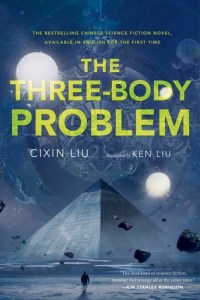
This has been on my ‘to read’ list since it was translated in English a couple of years ago. It got great reviews and was deemed interesting, beyond its qualities as literature, for insight into a lesser known aspect of contemporary Chinese culture, which is to say, its science fiction.

The Three Body Problem is ‘hard’ science fiction, more or less. My friend Ryan gave a succinct definition of hard science fiction as being sci fi that depends on one thing being true that is not currently true. That could be a change to the laws of physics or it could be something like a technology not currently available. But the idea is to keep everything more or less the same, except for that one thing, but incorporating the projected, cascading effects of the change.

In this case, it is that contact was made with alien civilization living in the three star solar system of Alpha Centauri (the book’s title comes from the difficulty of determining orbital patterns when there is the gravitational effect of three stars on an object; the question, I gather, is whether it is possible to determine or whether the complex factors involved make it impossible and also whether it is a repeating pattern or not).

Something I see in Chinese movies, too (I watch a lot of Chinese actions movies – from the heyday or the Shaw Brothers to the latest one on Netflix), where the current government is not only not criticized, but more or less praised. There may be local corruption, but the theory is sound, as it were. That said, it was pretty darn critical of the Cultural Revolution.

It also implied that environmentalism is an alien plot to stop science. That felt a little weird, not in the least because China is now taking climate change and environmental degradation seriously.

Over all, it’s a surprisingly tense book, especially since we don’t really encounter the aliens (yet), but instead it’s a journey through scientific concepts and Umberto Eco-level conspiracies.

 

Happy Anniversary, Bilbo


This is the particular edition from which my mother read to me

This week is the eightieth anniversary of the publication of The Hobbit and so I’ll add my two cents to the celebrations.

I can still recite the opening several sentences of  the novel from memory (‘In a hole in the ground there lived a hobbit. Not a nasty, dirty, wet hole, filled with the ends of worms and an oozy smell, nor yet a dry, bare, sandy hole with nothing in it to sit down on or to eat; it was a hobbit-hole, and that means comfort.’). Read more

Verses From The Center


This was all the DC Public Library system had, in the way of Nagarjuna, the great Buddhist theologian (and founding figure of one of the largest rivers of Buddhist thought and also the origin of Thai Buddhist theology; Mahayana Buddhism – look it up).

The translator, Stephen Batchelor, openly acknowledges that this is not an academic work and I find it a shame that the library does not have a such a translation (this is not a criticism of the DCPL; it’s an awesome library system and I can’t honestly say that such a book should be a burning priority for them; it’s more of a personal disappointment).

I don’t know much about Mr. Batchelor, but if I were to guess, I would say that he does ‘pop’ Buddhism for well-to-do white people.

Knowing a smidgen about the subject, I was able to interpret how these verses relate to the so-called tetralemma (a kind of logic or form of logic or aspect of logic associated with Nagarjuna with four predicates: x is; x is not; x both is and is not; x neither is nor is not). You can also see Buddhist ideas of time and how they relate to the absence of a self.

You can see a lot of stuff. Kind of. Partly, I know, it’s because these works were not written for me, were not written in a style nor a language nor form intended to help me understand.

Partly, though, I can’t help but think that this was intended as a sort of self help book for people who wear Lululemon to yoga classes.

‘The Shrinking Man’ By Richard Matheson


If you’re a fan of the Charlton Heston classic, The Omega Man or the less classic, but more recent, I Am Legend, you have been exposed to the sci fi writer, Richard Matheson.

Some time ago, I read I Am Legend (the actual name of the novel; both movies are based on it) and while I wasn’t much interested in delving further into his oeuvre, this was in a four book collection of mid-fifties science fiction from the Library of America, so I read it.

And it ain’t bad.

Scott Carey is shrinking inexorably by approximately 1/7 of an inch a day. The narrative runs on two parallel tracks. First, when he is one inch tall (seven days to live!) and being stalked by a black widow spider in the basement in which he is trapped. This tales alternate with him shrinking over time and watching his life and family fall apart under it all. The tales converge when the second timeline reaches when he gets trapped in the cellar.

Half of it is exciting, survival fiction in what is, effectively, an alien environment. The other half is more thinking person’s sci fi, about the personal implications (finances; becoming shorter than one’s daughter; ceasing to be sexually attractive to one’s wife; being mistaken for a child by bullies).