How Gary Gygax came to leave TSR.
I’m on the side of the antifree.

Sublimity in art is the arresting of the infinite within the confines of the finite.
I wrote this down in a notebook and I have no idea whether I came up with it or if I heard it or read it and was compelled to jot it down.
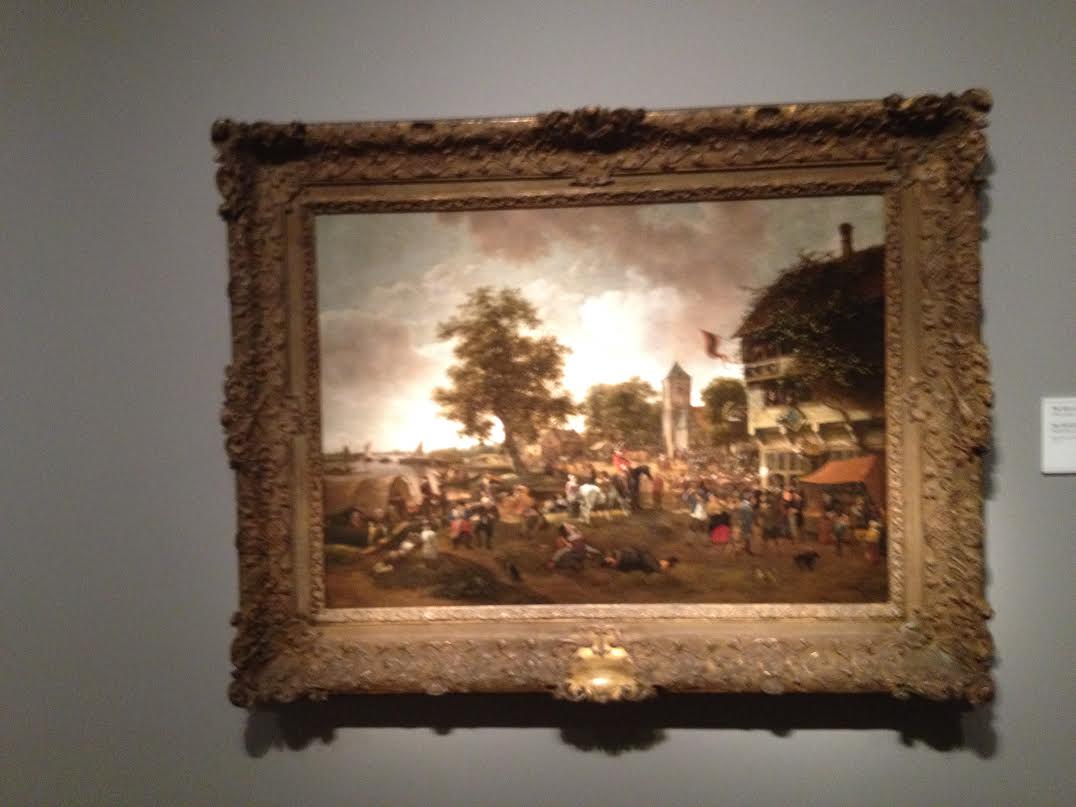

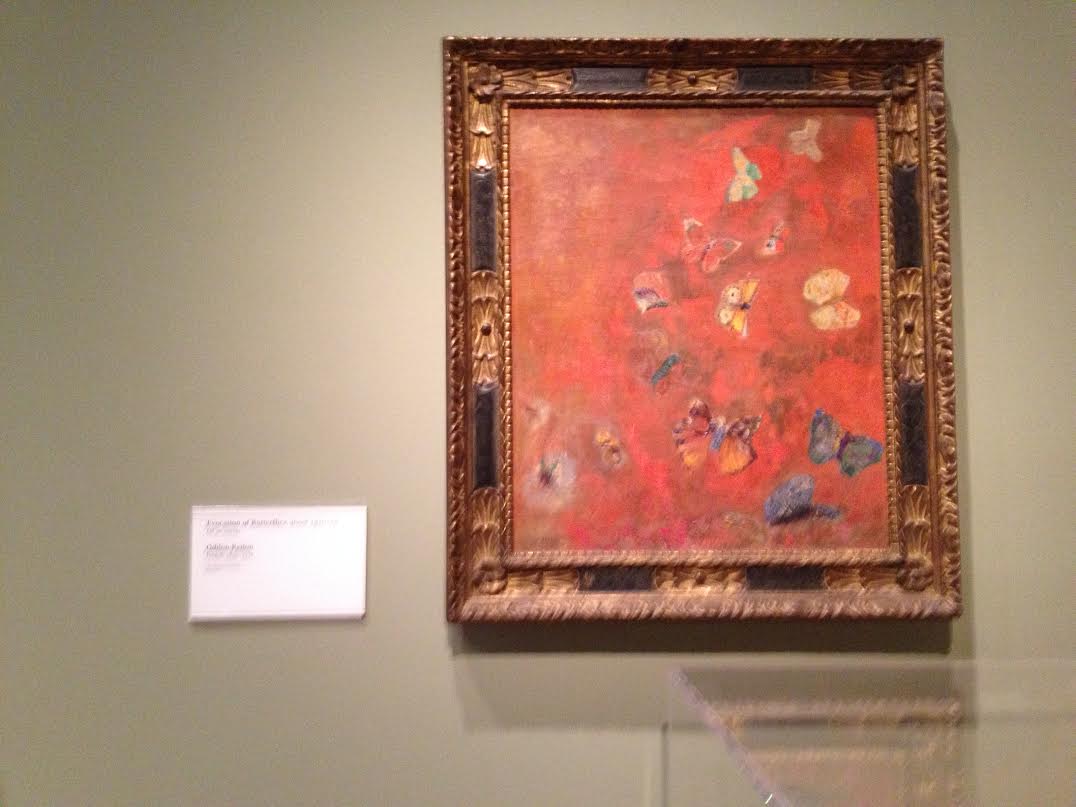


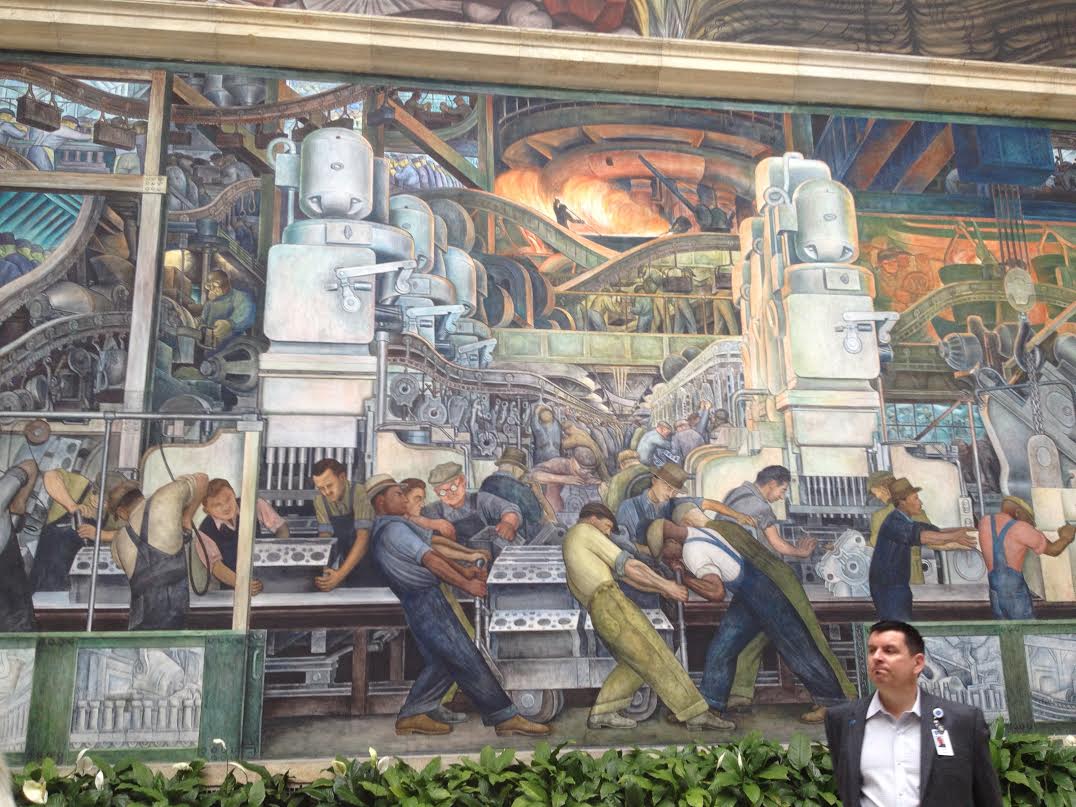
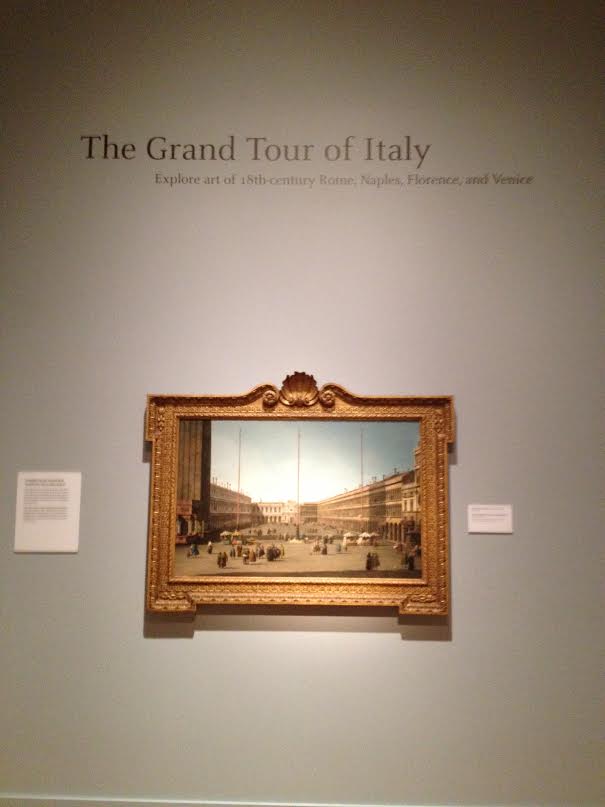
 With the seemingly constant threat of Rick Snyder’s appointed lackey selling off the collection of the Detroit Institute of Art (DIA) in order to fund a new stadium for the Red Wings (and I’m not kidding – the more than $200 million cut to employee pensions is almost exactly the amount that is being given to pay for a new hockey stadium – and they’re still talking about selling of the DIA collection in order to… well, I assume in order to give away more money to Rick Snyder donors), I had to go view the museum before this part of the city’s heritage is irreparably broken.
We learned some things about personal tastes. First of all, while I understand the art of the Dutch Golden Age is amazing… it’s just not for me. The ones I liked the most, the ones that really spoke to me, where those that most resembled Italianate landscapes from the eighteenth and early nineteenth centuries.
We also learned that I love Art Nouveau. I especially loved a great little painting but Odilon Redon and this painting of the girls on the couch (also – kind of erotic, isn’t it?).
The DIA is probably best known for its collection of enormous Diego Rivera murals. They are breathtaking and overwhelming, but the space they are in, though cavernous, still feels too cramped for such massive and powerful pieces. I was too overwhelmed to appreciate them.
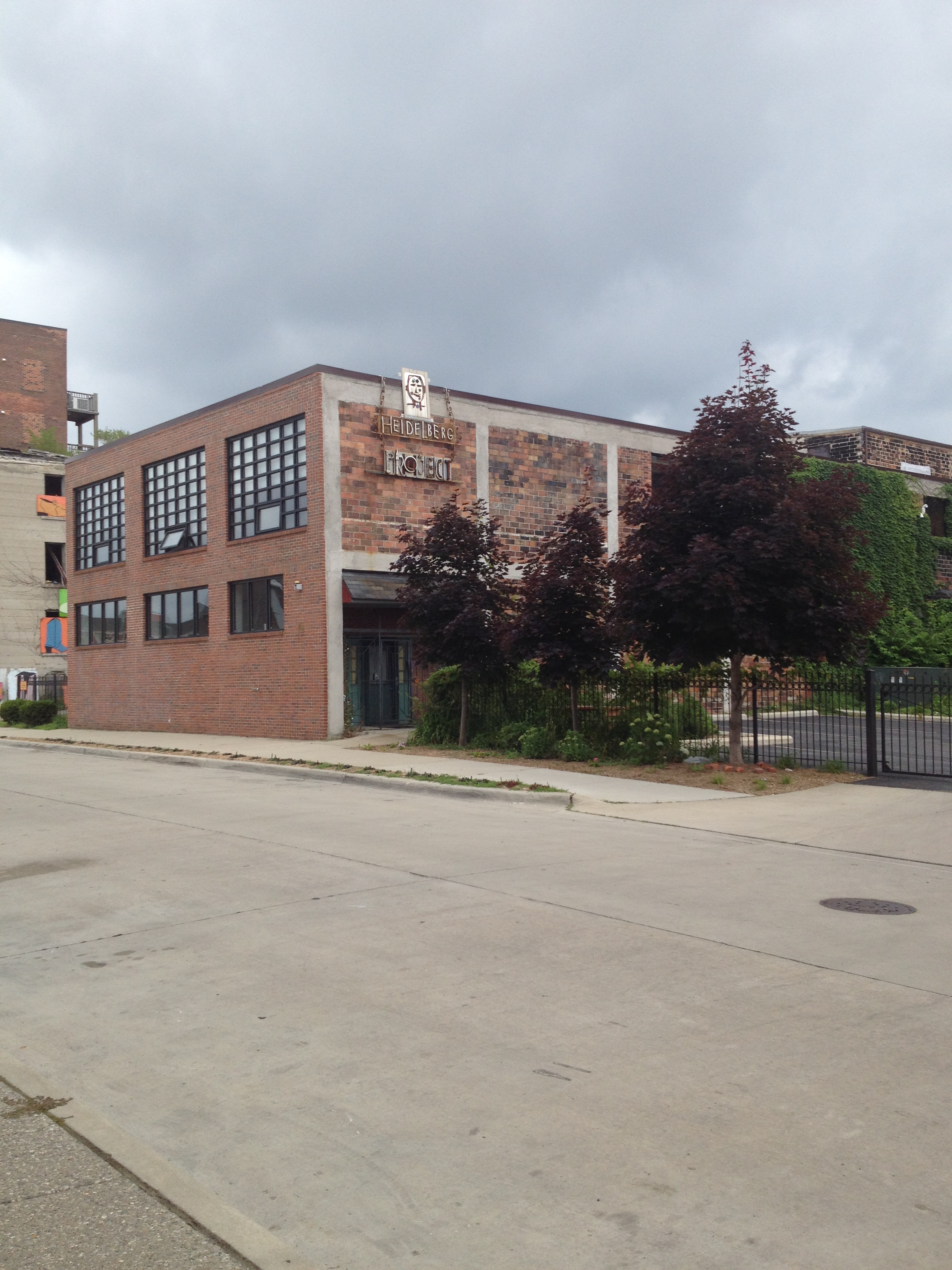
Finally, Detroit’s clearly got some cool art going, so I’ve added some pics of just cool stuff from around town.
You’re darn right, it’s vital!
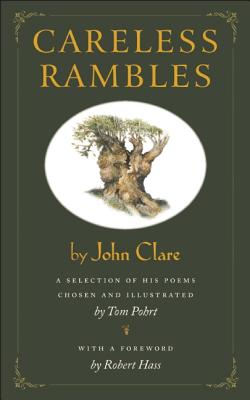 The title comes from one of the poems in the collection, but it should be noted that Clare’s rambles are far from careless. They are animated by a reverent, careful naturalist’s eye, even if only an amateur one.
A gifted, if unadventurous poet, it is easy to see why he holds a patriotic place of pride in the English canon. He is the supreme, naïve chronicler of the rural England that Tolkien mourned for.
There are three longer poems in the collection: A Morning Walk, The Eternity of Nature, and The Holiday Walk. The first one drags, the second indulges in a Wordsworthian philosophical fantast that Clare is ill-equipped to pull off, but the last one is a fine encapsulation of Clare’s view (though it is not the finest poem in the collection). In The Holiday Walk, schoolchildren go on a supervised expedition into nature. A kindly schoolmaster provides some small education gobbets and also chides them against injuring insects via admonitions to love all nature, from beetles to beech-trees. The attention to insects is especially telling as an example of Clare’s deep love of the natural world and a commitment to observe, without interfering (a nineteenth century ‘Prime Directive’).
Clare shines best in the smaller poems, which, at their best, focus on small aspect of the countryside. A particular tree, an insect, a small animal’s nest, a small bird. He then chronicles the small, mundane beauty within it. And it is beauty he seeks. Not metaphor nor meaning, but the unforced beauty of small things viewed simply and honestly.
The book is illustrated by watercolors by Tom Pohrt which are good but, meh. I could take ’em or leave ’em. The introduction, though, by Rober Hass (an excellent poet himself), is worth reading, though.



 the coffee philosopher