 I went into the office on a Sunday because I simply couldn’t believe that over the course of four and a half day holiday weekend I hadn’t received any work emails (I hadn’t but then again, our systems were being spotty and people claimed to have tried to send me documents).
Upon discovering that my fears were groundless and having already found parking downtown, I decided to spend a little flaneur time.
First, the National Museum of Women in the Arts.
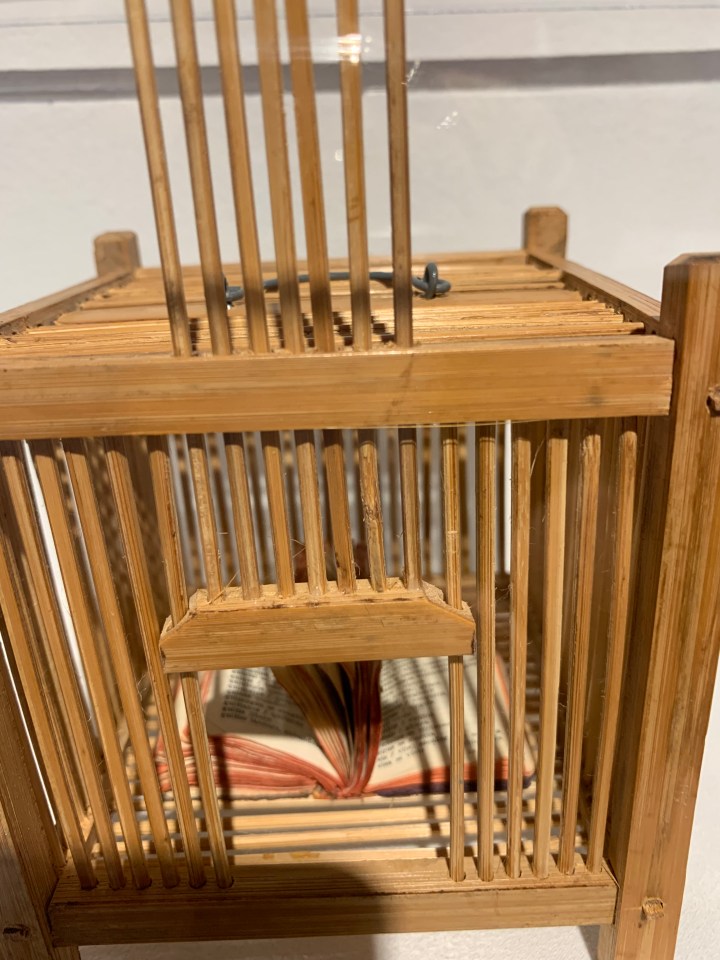
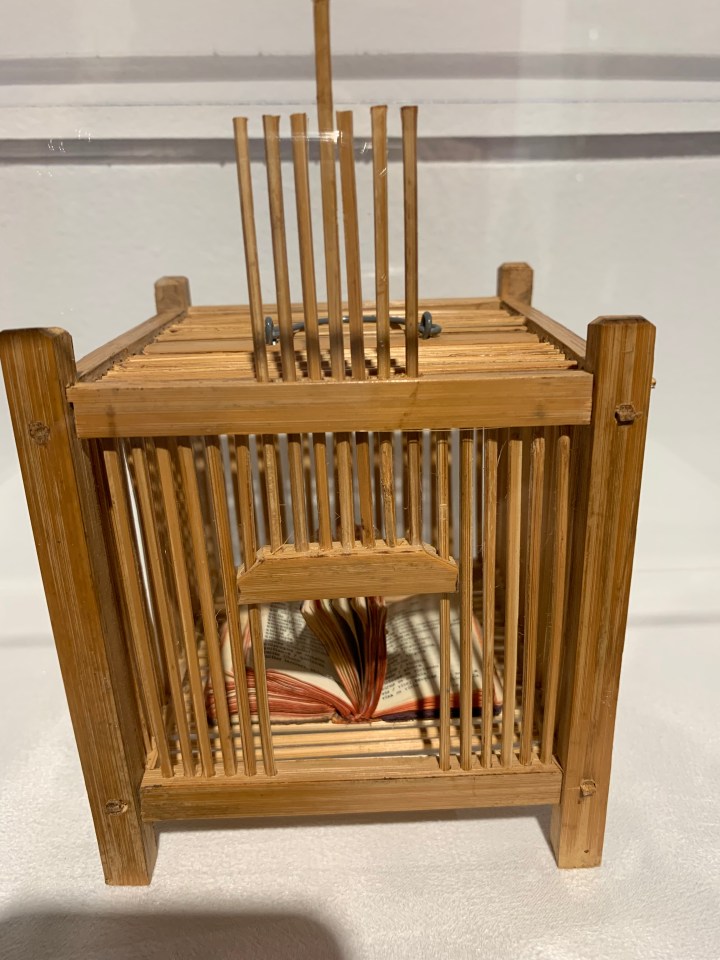
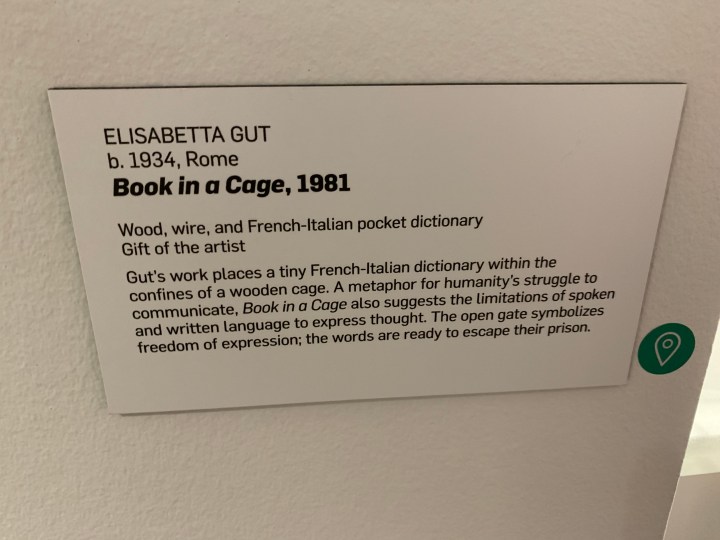


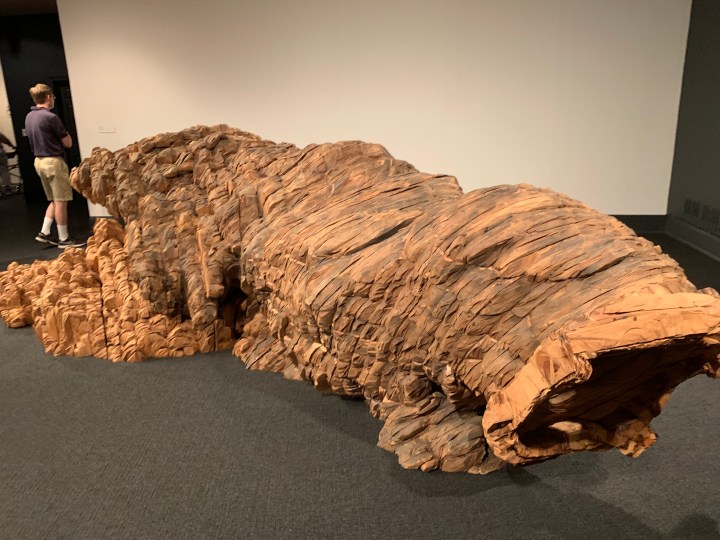


The museum was not only free that day but featured a Book Art Festival, which is a fancy way of saying that young, creative types set up tables with their zines and chapbooks and letterpress creations.

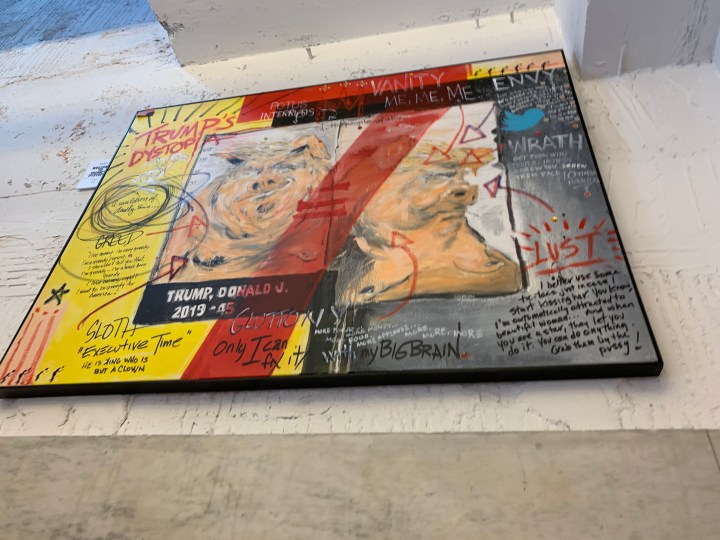
Naturally, I bought five books. One of those books was a book of art reproductions created in the wake of Trump’s election which leads to my next fortuitous encounter.


While walking to Chinatown in search of noodles, I passed by a sign that pointed through a door and up some stairs to the Center for Contemporary Political Art.
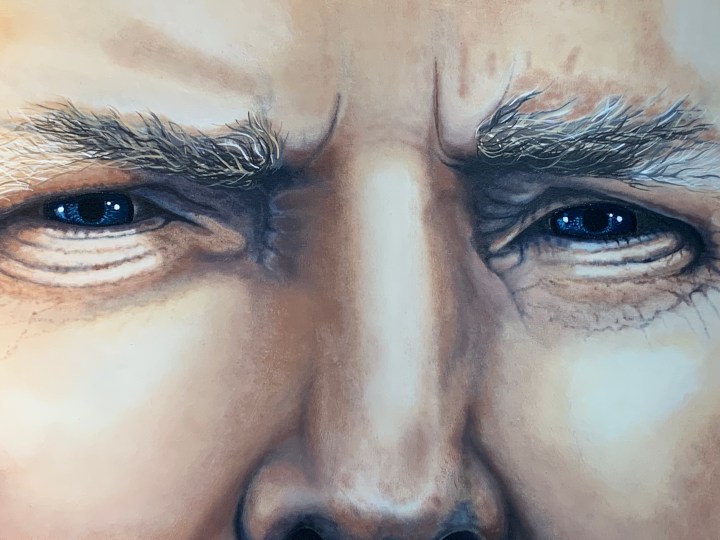

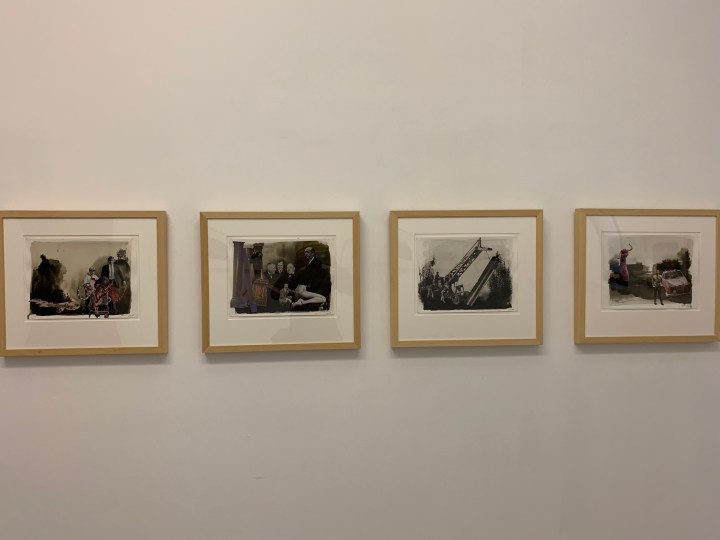


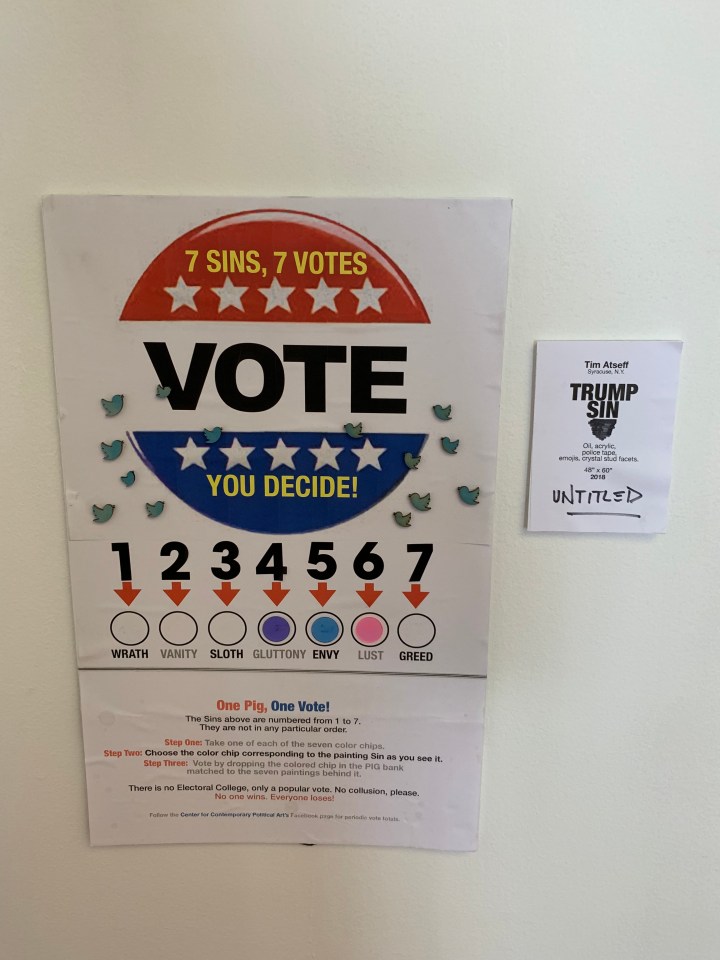
 Did I need to read another Jefferson book? Probably not. My fifth in the last two years, though the first traditional biography (the others being guided by conceits or else by Christopher Hitchens and so read to understand him rather than Jefferson).
 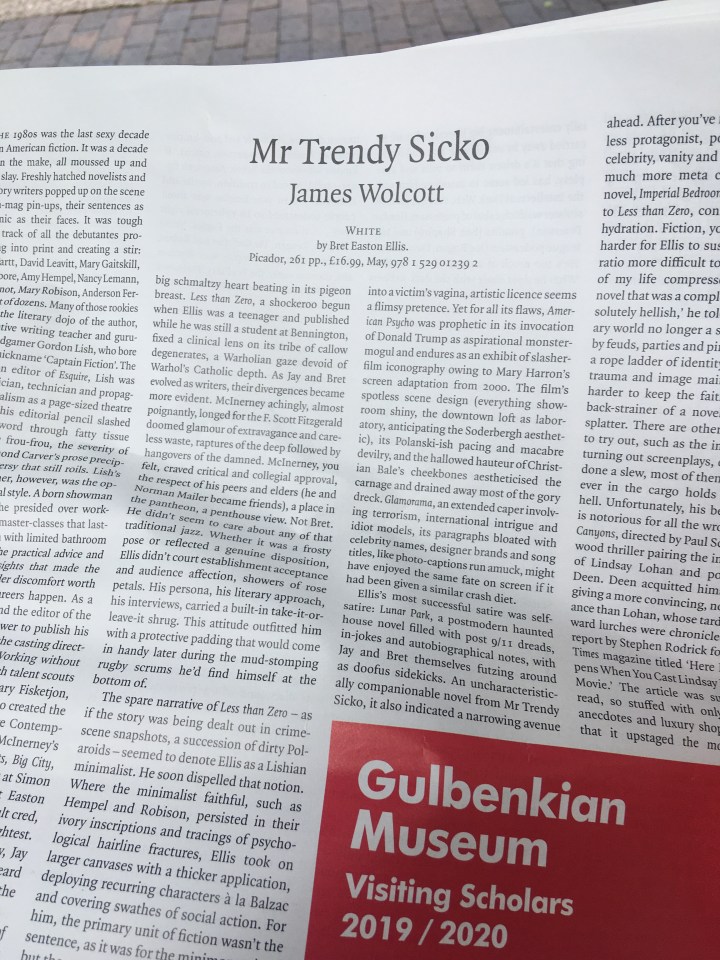 Just going to briefly make a pitch in favor of reading James Walcott’s article on Bret Easton Ellis in the May 23 edition of the London Review of Books. Technically, it is a review of his latest book, White, but a nice and balanced and clear eyed appraisal of his career, recognition of the value and failure of books like American Psycho, and taking a nuanced look at his late career shift as a middle aged, conservative, would-be provocateur. It even made me less angered by his wrongheaded and shallow retorts to younger generations.

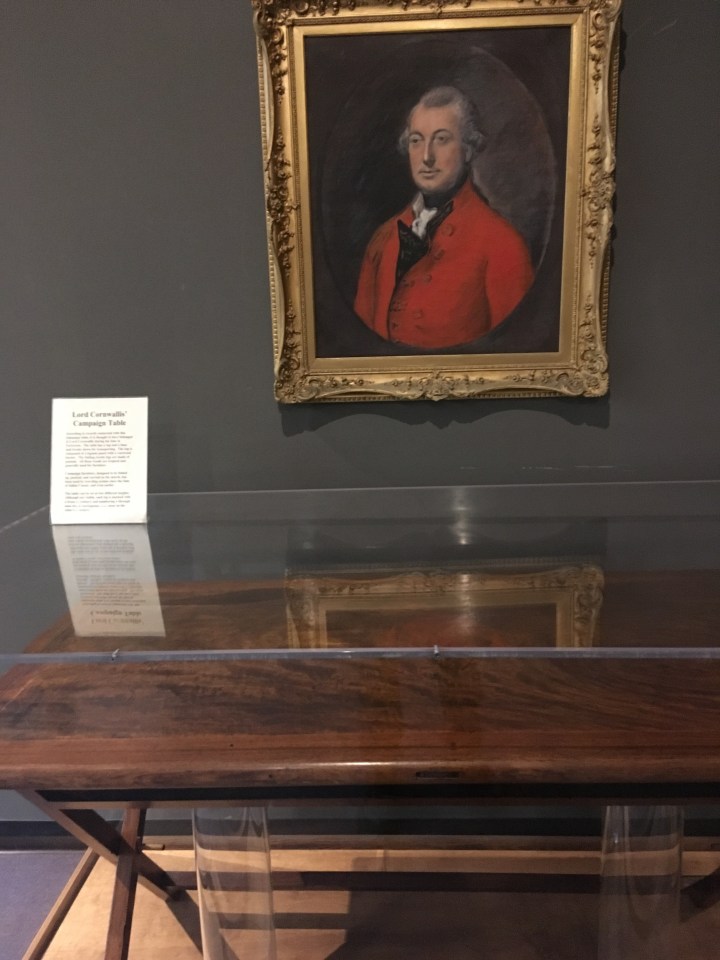
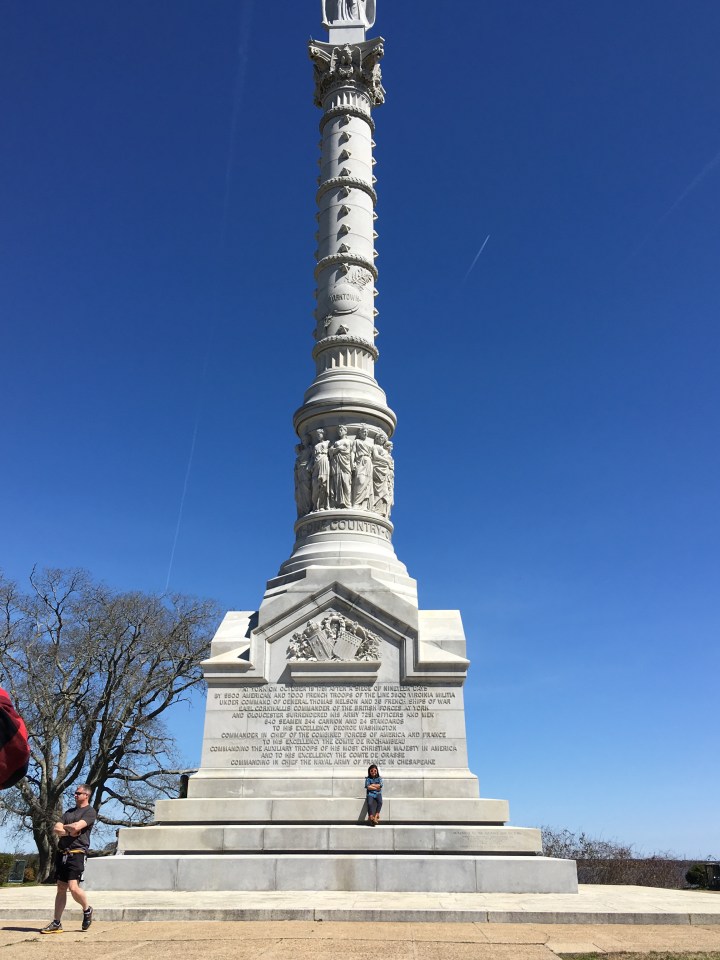
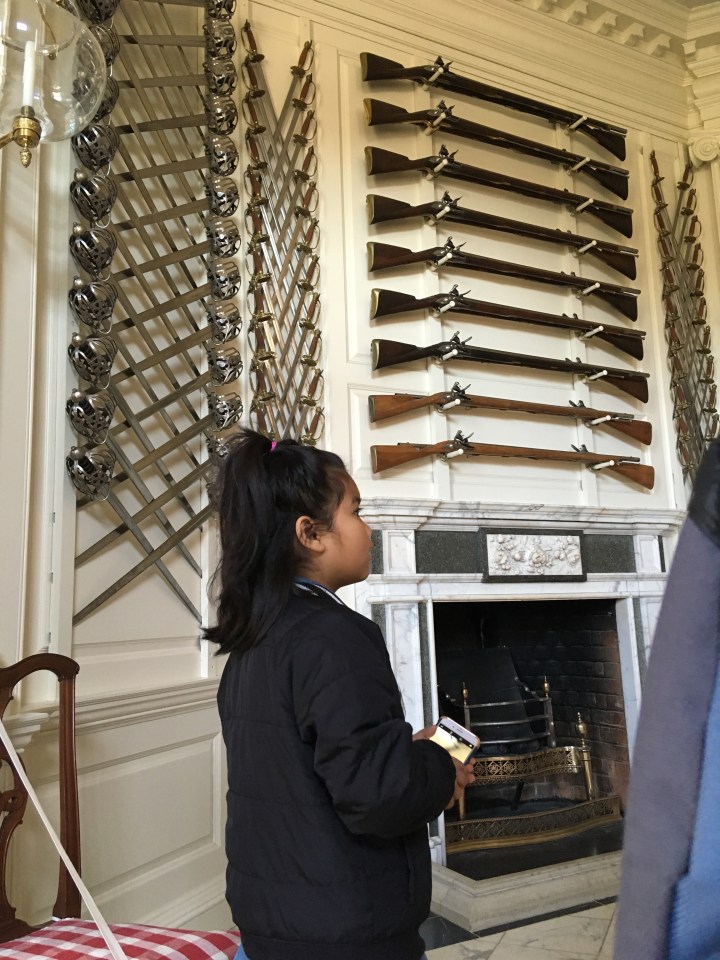


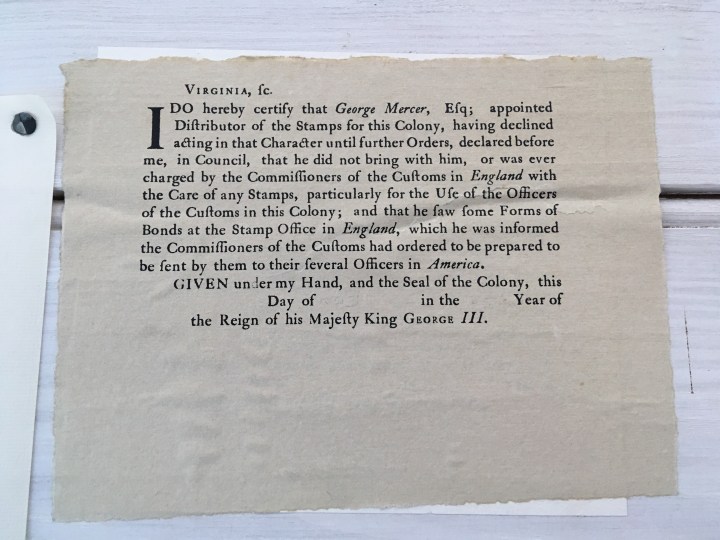

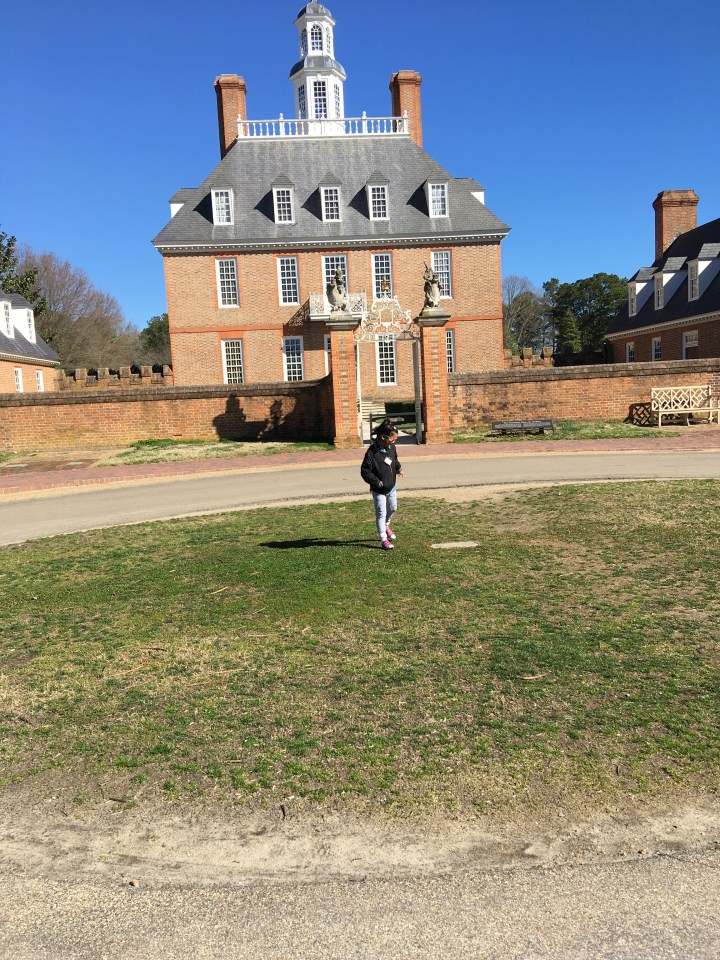

 I felt a little bad reading this because I have a nice, inexpensive copy of The Rights of Man which I have never finished and here I am putting the cart before the horse and reading about it before actually reading it. I suppose that makes me like most readers of this book but, to be honest, I have always thought I was better than most people, at least as regards my reading habits, if not morally and hygenically.
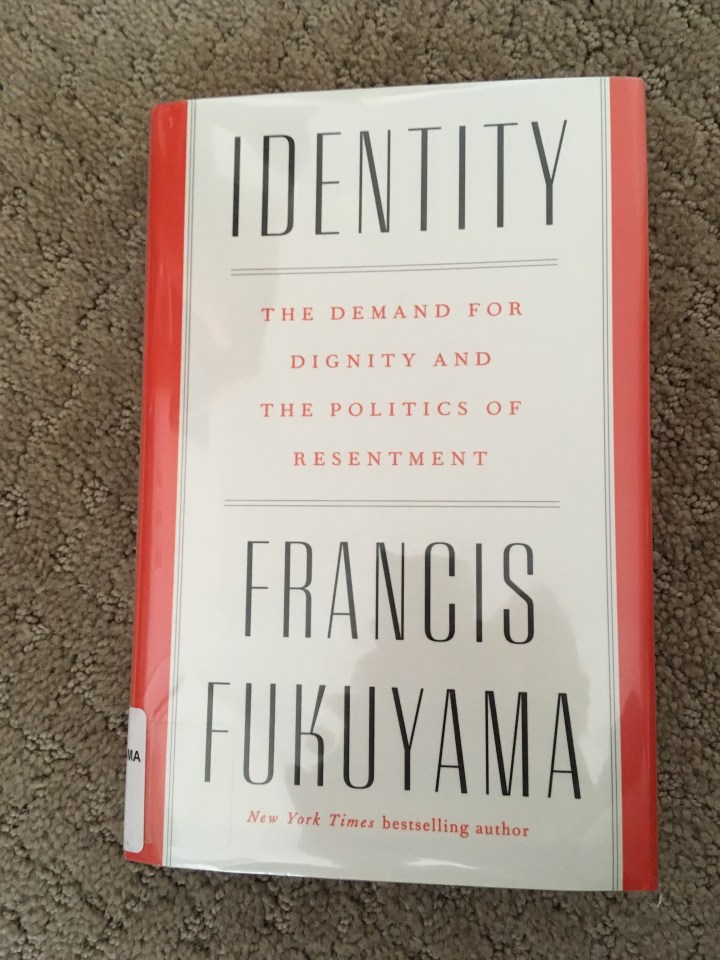 I have grown to have some respect for Fukuyama over the years. While I never read the book upon which his popular reputation was built, I did read the essay it was built on and his ‘End of History’ thesis is better than its caricature and well worth reading.
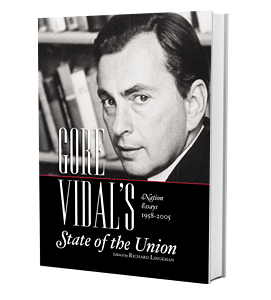 To read Gore Vidal’s essays published in The Nation is, for the most part, to read those of his writings least likely to have stood the test of time. His politically minded writings of the last twenty years of his life do not, to my mind, read as particularly prescient; instead, they feel as naive without necessarily being idealistic. Some are not even very enjoyable to read for his inimitable style.
 the coffee philosopher