‘Orthodoxy’ By G.K. Chesterton
 This was recommended to me by the Franciscan father who gave me my first confession. A comparatively non-dogmatic (‘dogma’ in the theological sense, not in the derogatory sense) argument and explanation for the reasonableness of the Christianity, written in a pleasantly conversational, yet aggressive tone.
My mother is the big mystery fan, so maybe I’ll ask her if she’s read any of Chesterton’s ‘Father Brown’ mystery stories.
He wrote Orthodoxy in 1908 – before he converted to Catholicism. The style isn’t exactly that of the great nineteenth century essayists, but still in the tradition and, shall we say… nineteenth century adjacent.
Early on, there was a great bit about poets that I posted a while back – check it out here.
What I loved most is how liberal Chesterton is – and liberal in a very modern, progressive sense. There is a great bit about original sin urging us to constantly strive and engage in and support very progressive policies for the poor. Honestly, I don’t know what this book isn’t as famous for being a liberal polemic as it is for being a Christian apologetic.
However, I do wonder whether the priest knew that Chesterton was still Anglican when he wrote this book? Not that it matters. By ‘orthodoxy,’ he meant adhering to the Apostles’ Creed, which is something that the Anglican, Episcopal, Catholic, and no doubt many other churches share.
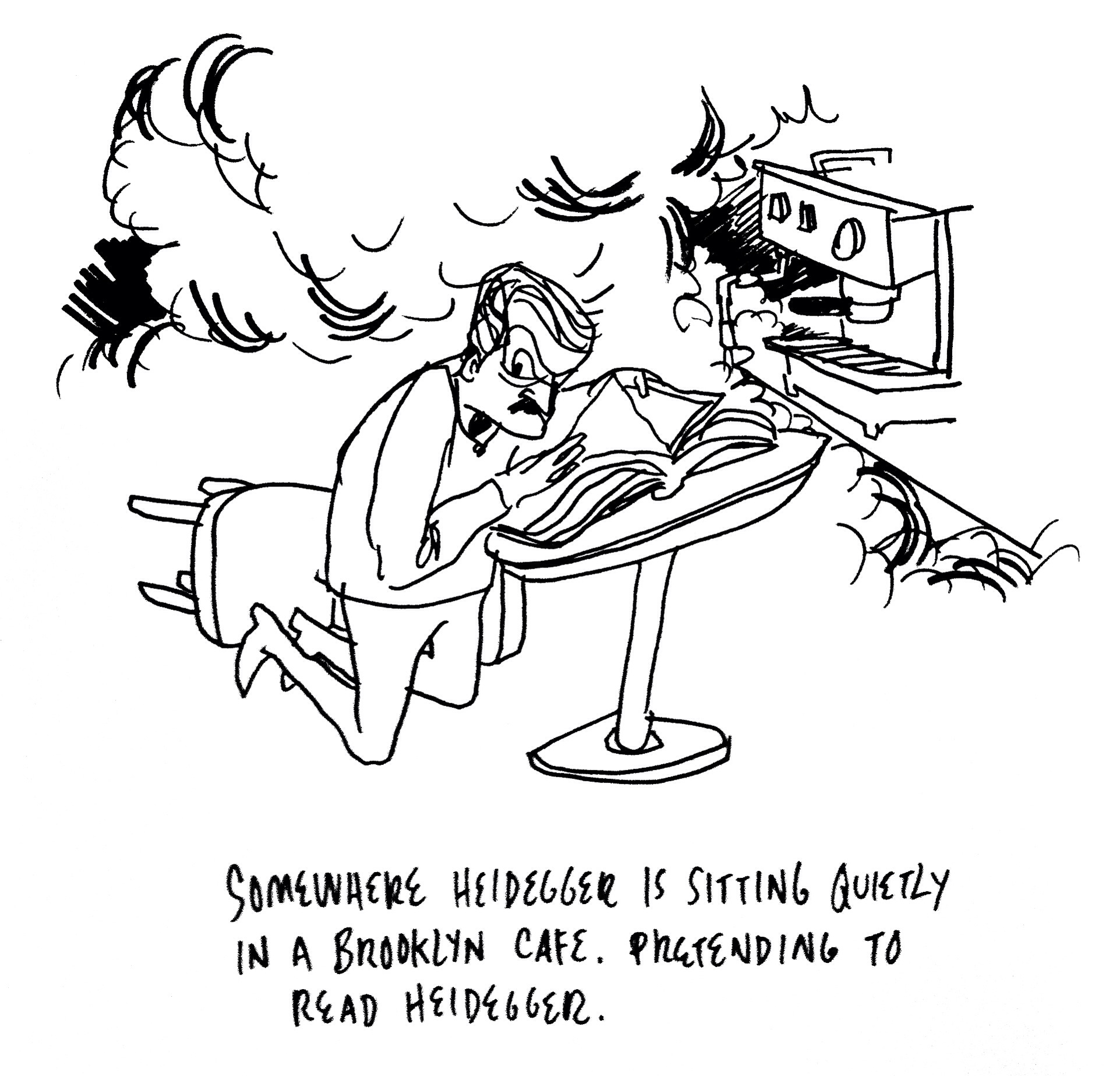
Monday Morning Reading – You Can’t Live Without It
I Just Wanted To Share With You This Picture Of Theodor Adorno In His Bathing Suit
You can actually tell from his ensemble that he hates jazz.

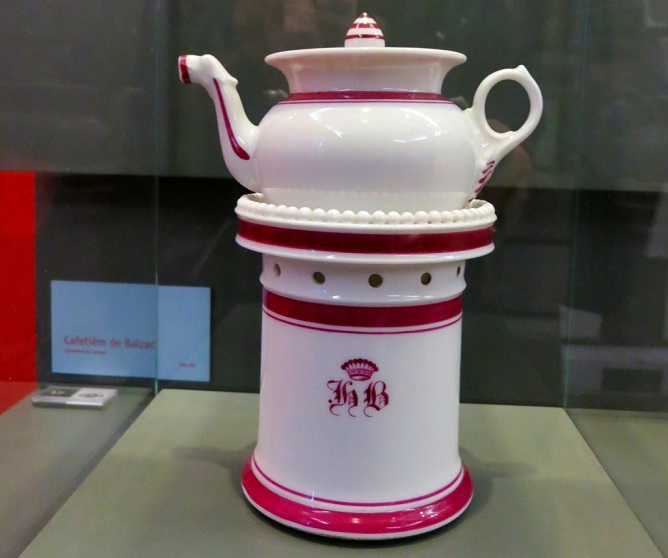
Midweek Staff Meeting
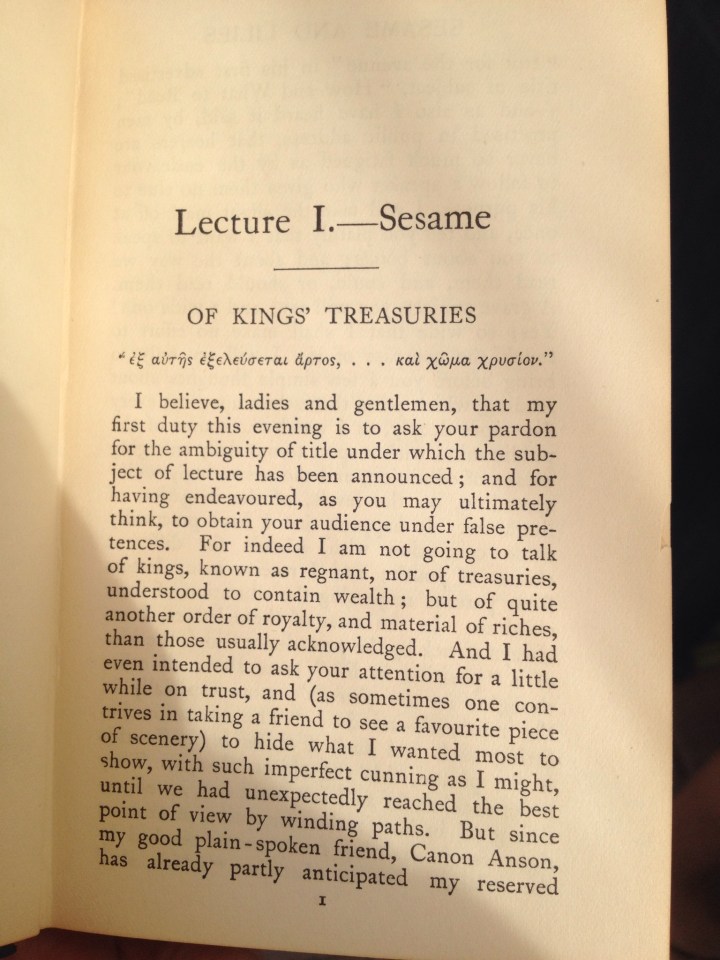
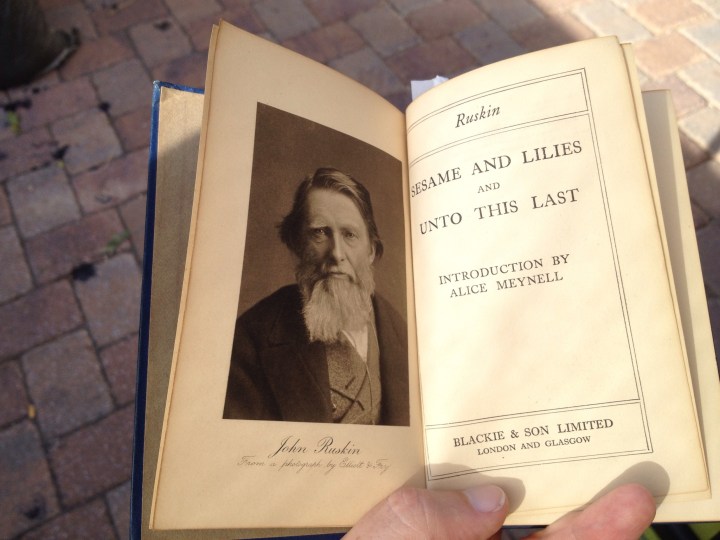
‘The King’s Treasuries’: From John Ruskin’s ‘Sesame And Lilies’
I say first we have despised literature. What do we, as a nation, care about books? How much do you think we spend altogether on our libraries, public or private, as compared with what we spend horses? If a man spends lavishly on his library, you call him made – a bibliomaniac. But you never call anyone a horse-maniac, though men ruin themselves every day by their horses, and you do not hear of people ruining themselves by their books.
I read that The King’s Treasuries, the first of three John Ruskin lectures published in a volume entitled Sesame and Lilies, is intended to be a how to book for me, with the second lecture being aimed at women. I’m not entirely seeing it.
This lecture is all about reading. Even when he talks about science (the ghost of the childhood me was thrilled that he referred to the great, if wildly inaccurate British naturalist/paleontologist, Richard Owens), he is really talking about our store of knowledge and books are our stores of knowledge.
Also, hell if didn’t write a nice little essay within an essay about close reading. Reading word by word, syllable by syllable, letter by letter. He gives an example with a close reading of a couple of lines by Milton that, for him, warrant several pages of exegesis. Not that I’m arguing with spending time with Milton, mind you. And I love how he says that his view is prophetically reinforced by the fact that learned men are called ‘men of letters,’ not ‘men of words’ or ‘of sentences.’ Of course, Wittgenstein, in his Tractacus, said that the sentence was the basic component of language. They’re both elegant writers, Ruskin and Wittgenstein, but Ruskin has the advantage of being more easily understood and the letter as the basic component of language does seem more intuitive than the sentence as the basic unit of language. No disrespect to Ludwig intended and I’ll admit that I haven’t read him in years and that I’m not sure if I ever really understand what he meant, though I love that first: The world is everything that is the case. That line is like a touchstone for me when things get confusing and overwhelming. But this has nothing to do with Ruskin.
Monday Morning Staff Meeting – Medieval Science
Midweek Staff Meeting – Philosophy, The Opera
Poets Do Not Go Mad
Imagination does not breed insanity. Exactly what does breed insanity is reason. Poets do not go mad; but chess-players do. Mathematicians go mad, and cashiers; but creative artists very seldom.
– G.K. Chesterton, Orthodoxy
 the coffee philosopher