Reading Print


Last Sunday was my day to sit down and read the print publications that I subscribe to. Mostly because I was sick and couldn’t go outside because the allergies would have, in my weakened state, killed me (though it killed me inside to miss, for the second year in a row, after having attended for eight years in a row, Shakespeare’s Birthday Bash at the Folger Shakespeare Library).

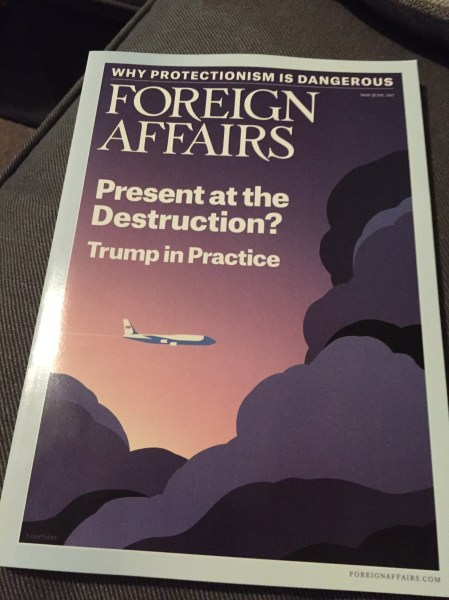
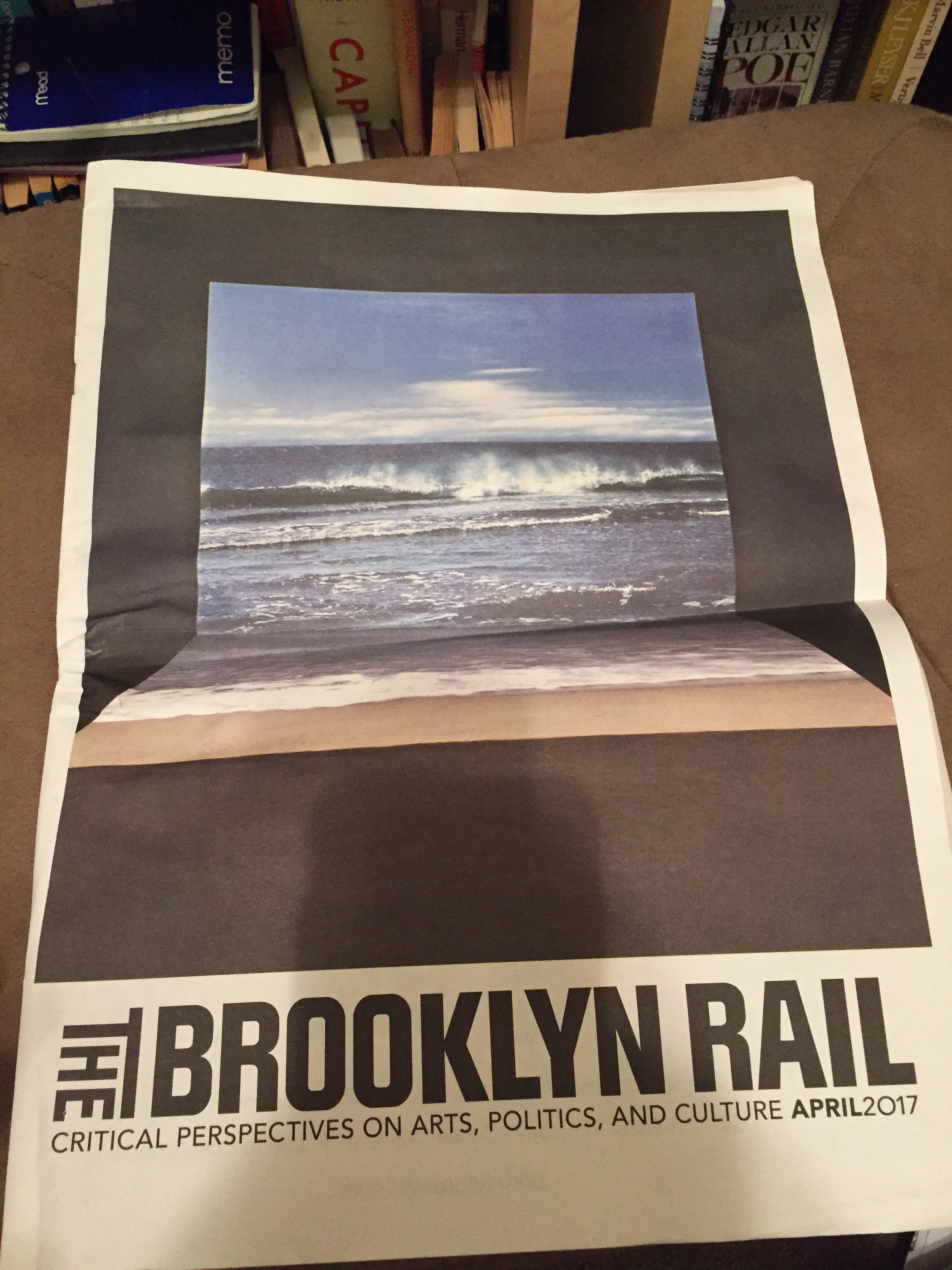
I actually subscribe to a decent number of print publications. I get the Sunday Washington Post (this was a Living Social deal, which I mostly purchased to get online access to the paper), Foreign Affairs (which is a gift from my father), Poetry (I think I saw this deal on facebook – one year of Poetry for an absurdly low price), and Brooklyn Rail (a tabloid format monthly, mostly about art and culture in Brooklyn, which I got as part of the deal with Poetry). I’m also getting the New York Review of Books (which I got for $10; let me repeat that: $10!!!!), but that hasn’t started arriving yet.

The Sun Also Rises has a scene where the narrator/protagonist is deciding which of the two bullfighting newspapers to which he subscribes to read first. They would have the same news, he acknowledged, but one tended to have slightly better writing. Notably, he did not say that he wouldn’t read them both, in the end (and I tend to think that he would read them both).

My mother once gave me a short story to read. I think it was by Saki. One of the characters was English member of the upper class who had gone bankrupt and so joined the army, which got him posted to a tropical village (Saki was born in Burma, so I’m going to guess that’s where it was). Once a year, he took his leave and went back to London and hung out with the wealthy friends of his former life and, most importantly, for my current purposes, he would purchase a year’s worth of the ‘papers,’ which he would read back in (Burma?) at the rate of one a day, one year after their initial publication.

Both of which literary references are to say that I love the ritual of reading magazines and papers.

Recent Reading


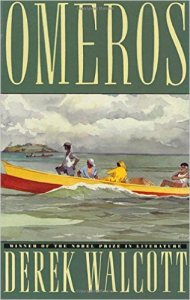
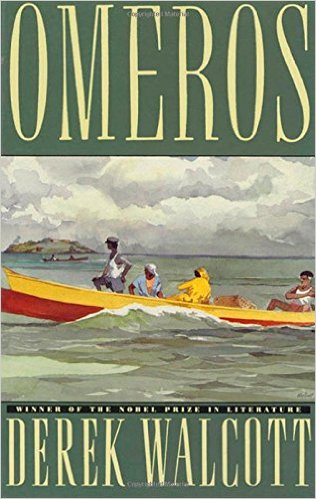
Because Derek Walcott died, I started carrying Omeros in by satchel and reading from it, though not, necessarily, reading the book length (history? digression? epic) poem on the Caribbean in systematic fashion.

I finished Patrick Modiano’s In the Cafe of Lost Youth, my first stab at the Nobel Prize winner (as was Walcott, by the way). Similar to the next book on the list, I felt an immediate stab of disappointment at the ending, but then came around to it (coming around more fervently, though, than with the next book). The ending seemed too abrupt and unearned, but I came around to an understanding that the book itself was about the unknowability of others.
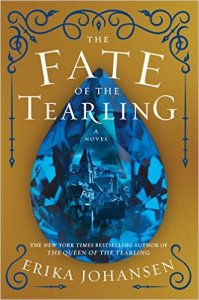
I finished the final book of the Tearling trilogy, Fate of the Tearling. I’m still not sure if this isn’t actually a young adult book. I’m still not sure if that statement says more about me than about young adult literature. But actually, I’m pretty sure that it says more about me. And, even more than it says more about me, it says a lot about the fantasy genre (and not in an entirely good way, however much I love it). I came around to the deux ex machina ending, but that didn’t make it earned and the book lost much of the goodwill earned from the first two, but credit where credit is due: this was a genuinely feminist series, with serious advocacy for birth control and female sexual agency. The final book also become decidedly anti-religious. Earlier books had posited the fantasy world’s church leaders as enemies, but now it got pretty anti-religious. Meh. Not going to argue that point.
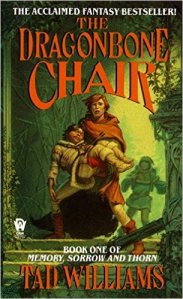
Finally, I really loved The Dragonbone Chair, the first book in a series I had long heard about (and mentioned as a precursor to Martin’s Song of Fire and Ice, though this series has more magic in it, though it’s not necessarily hugely heavy on magic). Tad Williams hooked me pretty quickly (though he also takes his time, with something like half the book taken up with careful world building, done through the eyes of an awkward kitchen boy in his early adolescence) and as soon as I was done, I immediately downloaded the second book (sadly, not available at the library). My one quibble is that some of the world building uses some lazy thievery from the ‘real’ world. The great king, whose death opens the way for the turmoil that makes up the plot, is Prester John. Some of the cultures and their naming customs are too obviously taken from Western Europe. Not a major issue (and the world itself is quite unique), but just felt lazy.
Choral Works At The National Cathedral


First of all, I was glad to see that nets were gone at the Washington National Cathedral. For a long time, post-earthquake (which was in 2011 or 2012, I think), there nets strung up inside the Cathedral to protect visitors and worshipers from falling bits of cathedral. While appreciated, from a safety perspective, it took away a bit from the sense of awe, grandeur, and general aesthetics.

The last time I saw a concert here, it was period pieces from the 17th and 18th centuries, composed or performed for the French court (and played using period pieces). The music was beautiful, but the acoustics just swallowed the orchestra’s sound (maybe it was the nets).

This time, the sound just soared wonderfully. It was the cathedral’s resident chorus, plus New York Polyphony (an all male vocal quartet), a guest soprano soloist, strings (roughly the size of chamber music orchestra, which is to say, larger than a quarter, but smaller than a full orchestra), and the cathedral’s own organ.

The selections were actually dominated (marginally) by either pieces by contemporary composers or else by pieces arranged by contemporary composers. With a few, arguable, exceptions, they were religious works – often liturgical. I say arguably, because one of the works set some stanzas by Whitman to music and, especially in America, Whitman could be considered to be almost religious.

That said, there wasn’t as much variety among the pieces as I might have liked. At a certain point, one Ave Maria starts to sound like another. That being the case, I could make the argument that they might have been better off taking a longer piece by someone like Tallis and playing that as the entirety of either the pre- or post-intermission half.

Reading


I’m always reading several books at a time. Sometimes, too many. They pile up beside the bed in the dozens (to the consternation of my better half).

But I like to vary my reading based on moods (though lately, they have all been linked by classical Greece and Rome). I have a copy of some works of Cicero nearby and I finished On Duties but can’t seem to get into On Friendship nor On Old Age, but they’re all in the same tome and I feel like I should just finish the physical book.

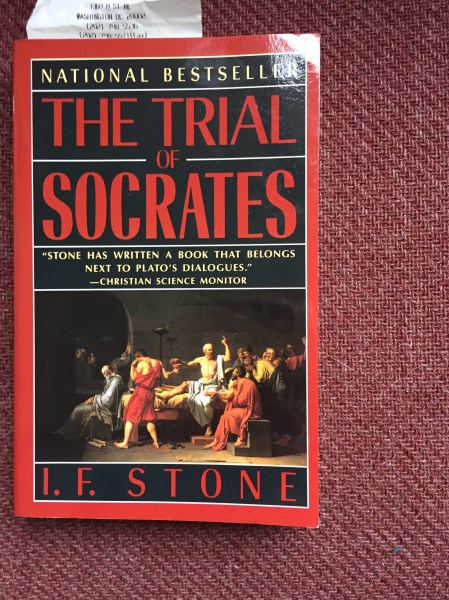
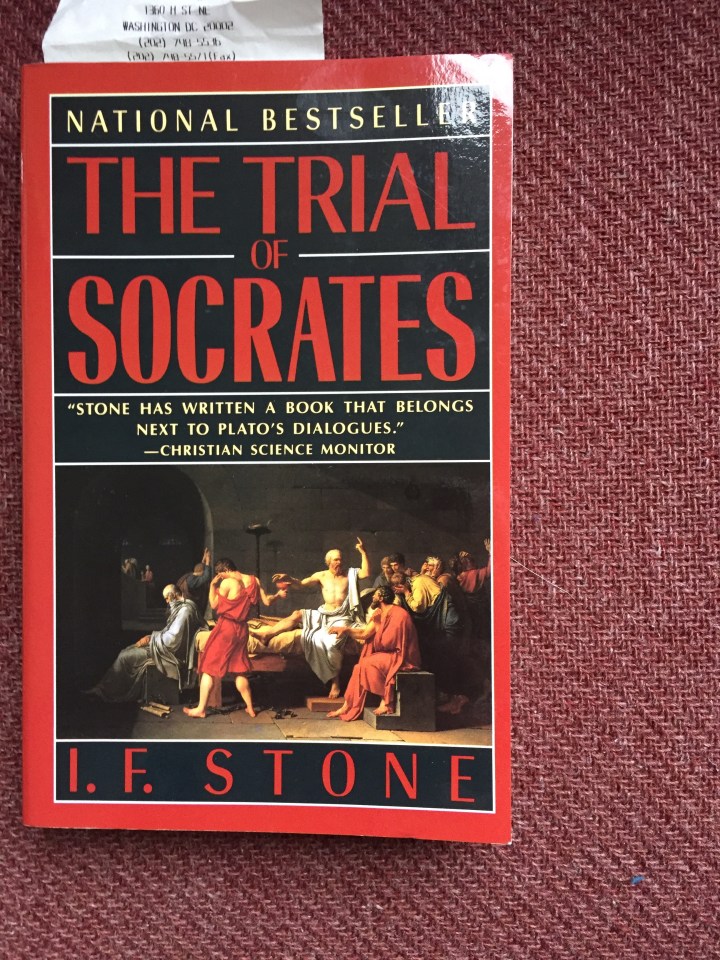
I just finished reading though Stone’s The Trial of Socrates (not in the least because it vocalizes some of my nagging complaints about the Socrates of the Platonic dialogues, namely, that he’s a bit of a flat track bully; it’s also got some wonderful sounding close reading of the original Greek texts; I saw wonderful sounding because I don’t read Ancient Greek and have, really, no idea if his translations and interpretations of individual words is better or worse than others). If I have one criticism, it’s that he closes weakly, by going into a discussion of the etymology of terms for ‘freedom of speech.’ Not that it’s not interesting, but like the ending of Smith’s Theory of Moral Sentiments, it brings the (for lack of a better term) ‘narrative’ momentum to a crashing halt.

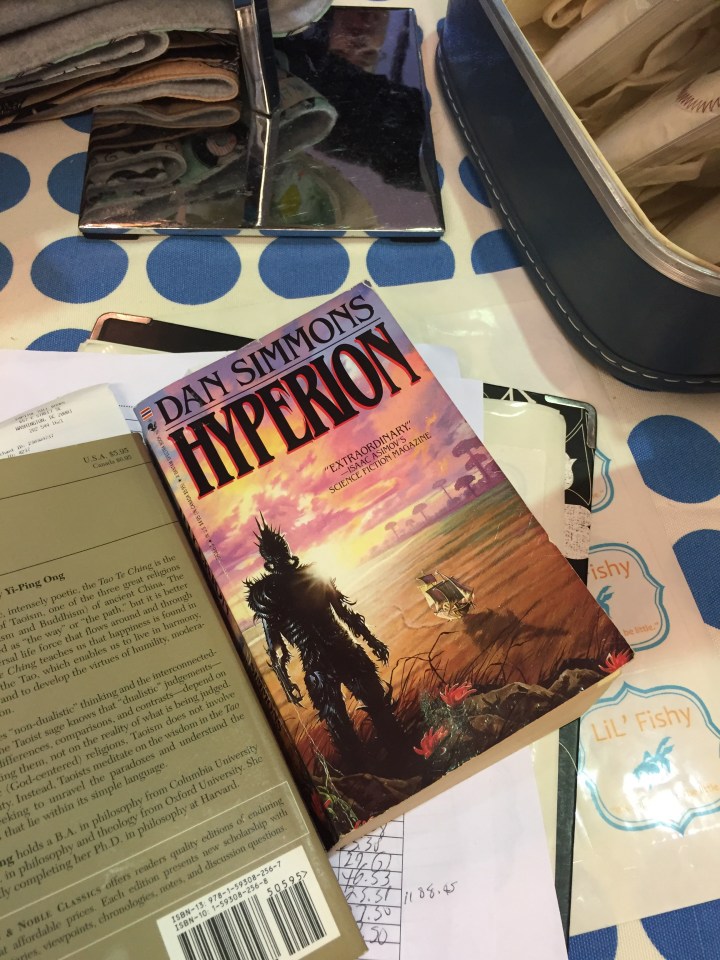
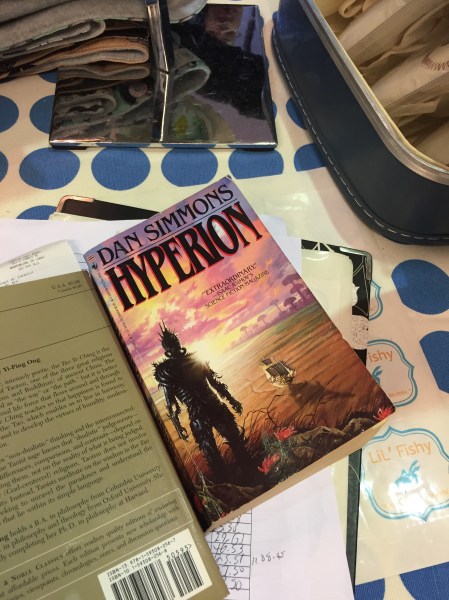
I finished the second volume of the sci-fi/space opera quartet, The Hyperion Cantos (the names of this one is The Fall of Hyperion). It’s not nearly so pretentious as the word ‘cantos’ implies. I’d compare it to some of Samuel Delaney’s wild space operas, but less formally complex and also less lyrical (even though the reconstructed personality of John Keats is a major character in The Fall of Hyperion). Shouldn’t keep you away from these books, if you like good sci fi. It’s a well thought out, well realized universe with some excellent literary flourishes.

Sally Wen Mao’s Mad Honey Symposium lies beside my bed and the title would have drawn me in, even if the poetry weren’t excellent (which it is).

‘Hyperion’ By Dan Simmons


I swear that I didn’t know it was part of a series. I knew he wrote other books about the planet Hyperion, but I really thought this was a self-contained story. Feeling a little betrayed.

But it’s an excellent and intelligent space opera. Keats comes up a lot and he plays with Chaucer’s pilgrims (though much grimmer and with less sex and comedy).

The world is well realized (though it’s actually a vast universe) and the layers and multiplying plots are exciting rather than frustrating, overdone, or contrived. Really, if it didn’t require me to read a second book, I’d call it an unmitigated success.

I’m Back, I’m Not Back


I’ve been away, first thinking only about the election and then contemplating the aftermath.

It’s not a happy aftermath. My wife is an immigrant and a person of color. I have low income family members who depend on Obamacare. All reasons to fear for the well being of people I love.

So, in what do we take solace?

I’ve been reading Cicero’s De Officiis in a lovely little miniature hardback edition. I love those books, on a tactile level, like the original Modern Library editions from the teens, twenties and thirties. This isn’t one of those, but the same principle. Also, just reading a literate account of how to be decent person in society. While some is specific to the society of the late Republican/early Imperial Rome, most is not. And in a post-Trump world, it seems both relevant and terribly sad. But perhaps Cicero, who wrote this after being forced into a sort of exile for his support for the norms of the Republic would relate. Though I still don’t see this as the end of democracy in America. A touch of class, too, in Cicero. Not that kind of class (though he’s very classy), but socio-economic class. And jealousy. On my part. Cicero can retire to his villa, send his son to study abroad (he’s learning from a Greek philosopher in Athens), and spend his days writing awesome things like De Officiis.

I was in my study the other day. Actually, if I’m being honest, I was video chatting my way through a Dungeons & Dragons game (thankfully, we’re meeting in person next week; sometimes, technology is a hindrance to play, a statement that you should take several ways). While waiting for technology to right itself or else during lulls in the action, I found my eyes wandering around to all my books. Honestly, I’ve got some pretty awesome books.

Among them, James Lasdun’s The Horned Man, I book that I read many years and deeply enjoyed and I felt compelled to reread upon seeing it on my shelf. Like Cicero, maybe I’m looking for parallels. In this case, an unreliable narrator who quickly constructs a strange and inexplicable conspiracy. So how does this relate? Trump, the unreliable narrator spinning his improbable narratives? Me, trapped in a world created by people who see conspiracies in the quotidià of modern life? Or am I the narrator, feeling a strange noose tighten for reasons I can’t understand (bear to understand?)?

Wordworth’s The Prelude which is one of the highlights of western civilization, but which, thankfully, has nothing to with Trump. Or does it? I just called it one of the highlights of western civilization and doesn’t that relate to Trump making his closest presidential adviser a man tied to a racist, separatist, apartheidist, ethno-european nationalist movement? That doesn’t make Wordsworth particularly racist (though I’m sure he was, being a man of his erea), but am I merely taking a more highbrow kind of comfort in the same white mythologies as Trump’s supporters?

I picked up Kenneth Rexroth and Ikoko Atsumi’s translated text, Women Poets of Japan and found myself less enthralled than I remember. While waiting in line to vote, I was reading The Book Genji and the titular Prince Genji and the beau monde in which moved frequently communicated via poems, but a quick, returning glance at that once favored collection of Japanese poetry left me itchy for something else. If that something else was a white, male poet (Wordsworth), does it make my reaction more fraught?


Shin Godzilla


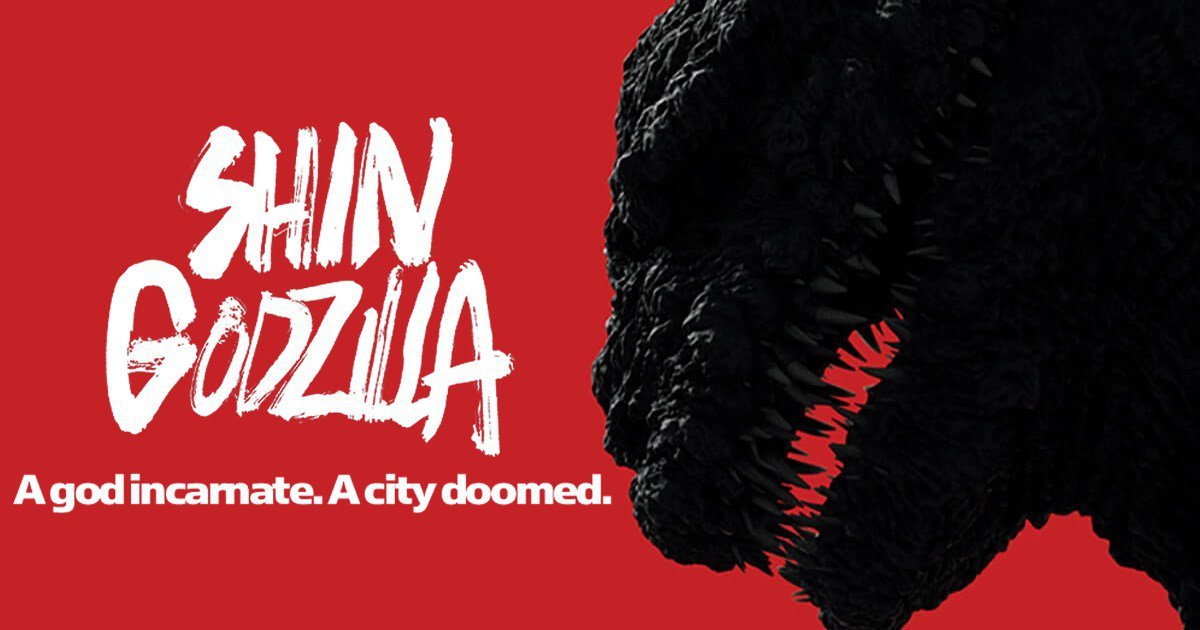
godzilla-resurgence-trailer-ticketsThe latest Godzilla movie from Toho is showing only irregularly here in Washington, DC – one night here, another night there. I saw it Tuesday night at the E Street Cinema (still the best movie theater in DC).

You can’t compare it to the recent, American Godzilla. Though that was a good movie, it was also, primarily, a monster movie. So what you say? How are the Toho movies and all their kaiju movies they inspired not monster movies? Serious? Are you stupid? Are you a Trump voter? Are you that stupid?

Ok, ok. Calm down. I get you.

But the Toho productions have always been, even at their silliest, informed by political concerns in a way that the American movies have not.

Shin Godzilla takes that to a whole new level. Even more than usual, Godzilla himself plays a relatively small role and has limited screen time. What’s more, during much of his screen time, he is sleeping (he sleeps standing up, in case you were curious).

Most of the movie consists of high level meetings of government officials and their aides. And it’s exciting. I kid you not. Even though they’re just meetings, it is amazingly fast paced. There are plenty of moments of humor and of the director and screenwriter rolling their eyes at bureaucracy and some high level bumbling. The Prime Minister and later the acting Prime Minister come in for some gentle mockery, but never does the movie disrespect the ability of political actors to accomplish things.

In fact, the final message of the movie (delivered with little subtlety in the final scenes) is the need for vigorous politicians to chart an independent path for Japan in a part of the world being rapidly dominated by concerns about China and North Korea, as well as US responses to those concerns.

So, go see it.

What We Can Learn From Poets (According To Cicero)


Wordsworth


Wordsworth is one of my ‘go to’ writers. If you’re going on a trip and you’re not sure what to bring, you can always bring a selected poems by Willy, because you can read him again and again and he’ll never let you down (Wuthering Heights is another one that I can read and, as soon as I’ve finished it, immediately start reading again; I once read it twice in one day).

But, I’m really only a fan of his longer poems. Sure, Intimations with its ‘Splendor in the grass’ gets me going, but overall, it’s the long poems: The PreludeThe ExcursionThe Recluse. And you’ll notice that those are all, for lack of a better descriptor, semi-autobiographical pastoral poems. His long historical poems feel like rather dull epics to me and most of the shorter ones don’t have that slow burning, hypnotic pull. The Prelude is a darn long poem. It’s not Proust long, but it does have that same sort of gentle pacing that pulls you in over the course of time until you’ve entered a sort of literary ‘fugue’ state.

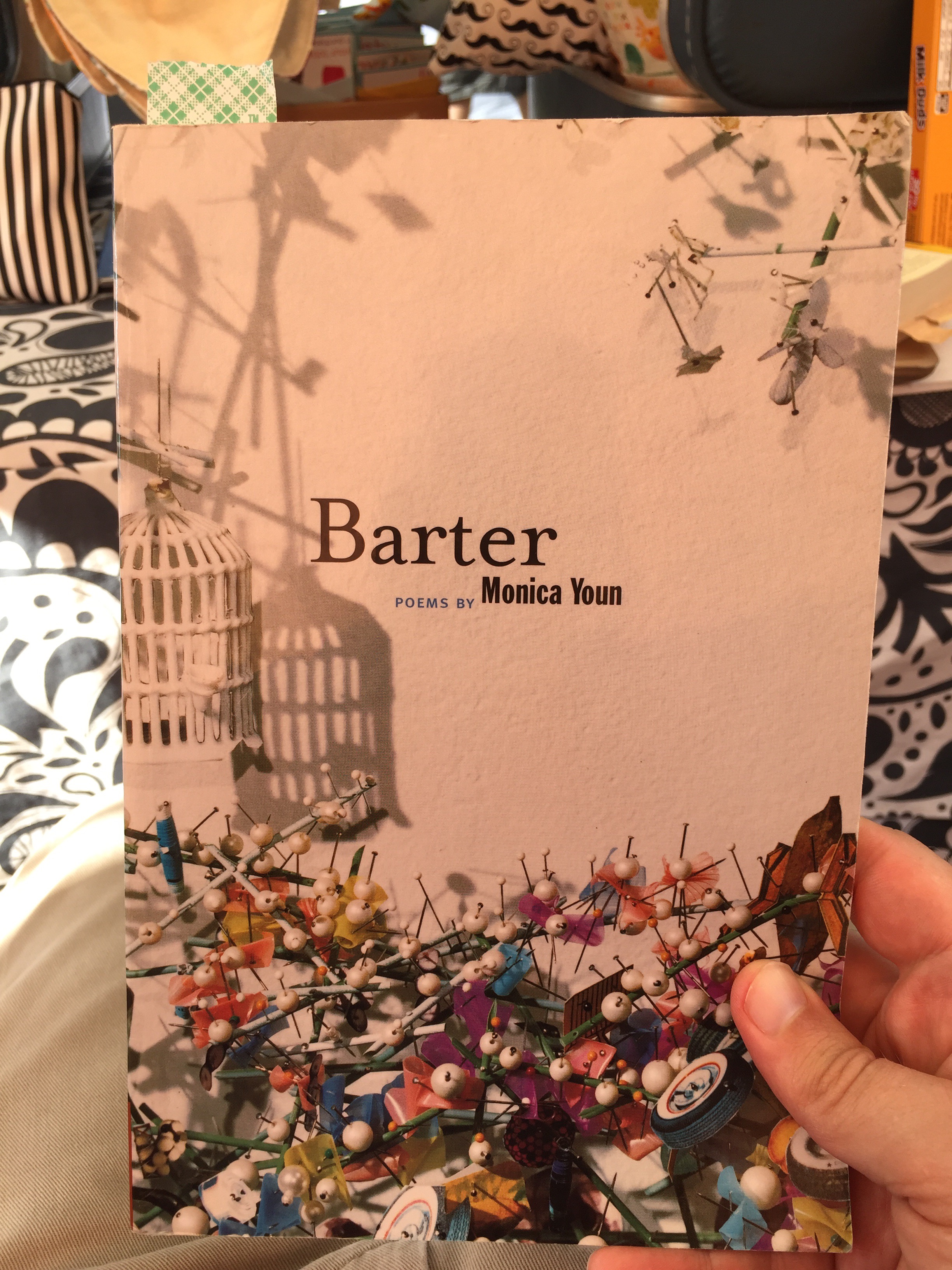
‘Barter’ By Monica Youn


I bought Monica Youn’s Barter at a used bookstore, which I don’t normally like to do, when it comes to living poets, because I like for poets to profit (financially) from their labors, but the book was on my list and there it was at Capitol Hill Bookstore, so I got it.

Barter is a dark book. The objectification and commodification of women’s bodies (and maybe, especially, the bodies of Asian women, but I can’t really be sure); immigrant bodies are also a recurring theme, albeit rather elliptically. Discomfort and disjunction. Life as trauma, perhaps. But not as being determined by traumatic experiences, so much as life being inherently so. Maybe. I don’t know. And much of this in the nominal form of ekphrastic poetry.

Derivation, or
The Unexamined Life

remorse: to be bitten
again. remonstrance.

to be displayed again;
shown again; arms

pulled back, head
following, how you

gloat, my reflection
smeared in the moonlight

window: why won’t
you look at yourself?