What To Do With Periodicals


I also get Foreign Affairs and the weekend Washington Post.

Leaving the WaPo aside for the moment, I often don’t feel sure what to do with my other periodicals after I’ve read them. They all have wonderful staying power. Who would object to going back and reading some of the great articles published in the New York Review of Books down the road? But, conversely, who does want to risk being that person whose home is stacked with piles of  moldering newspapers, becoming the subject of a sad human interest story after the fire department has to bust down the door once your sad, lonely, and malodorous corpse becomes decayed enough to alert the neighbors?

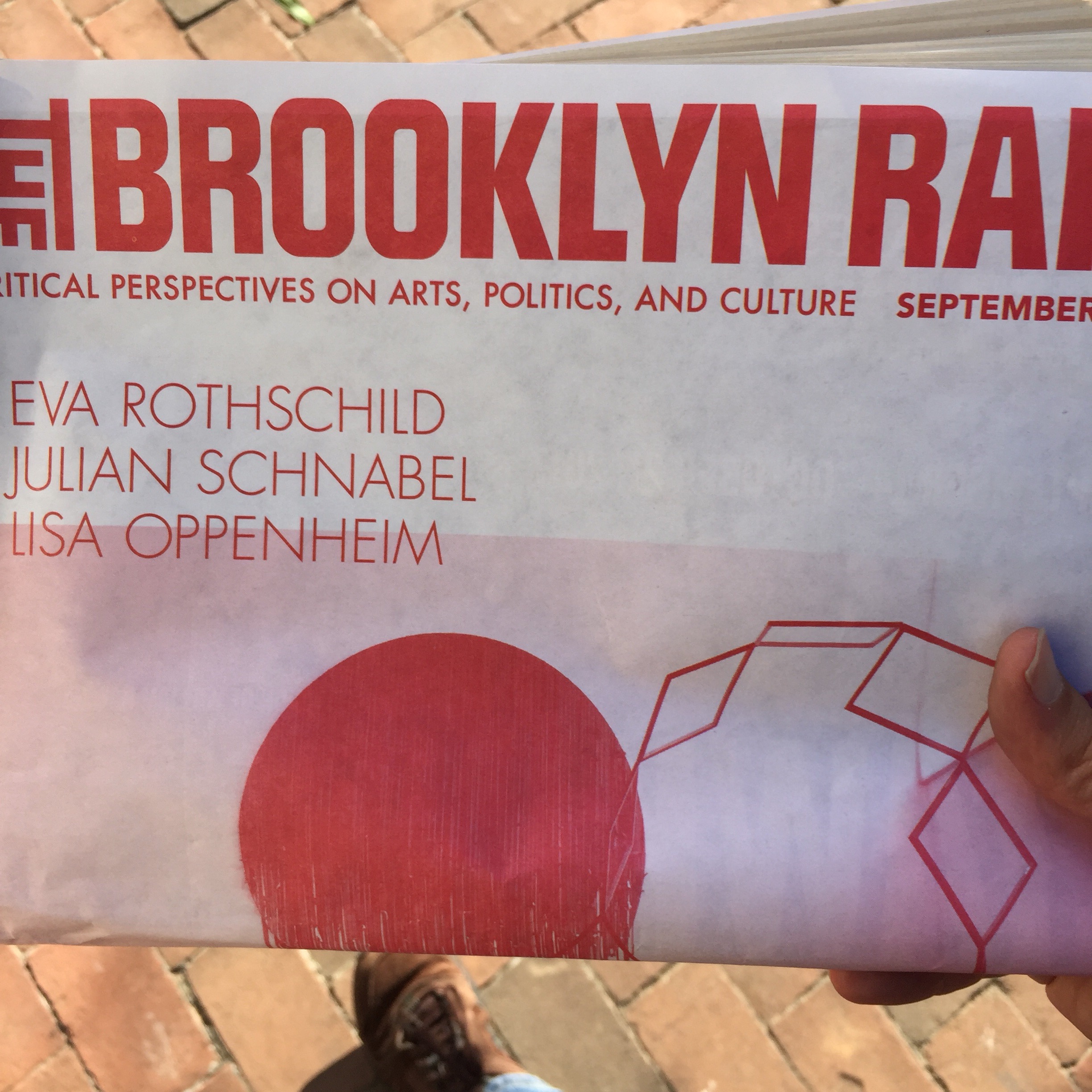
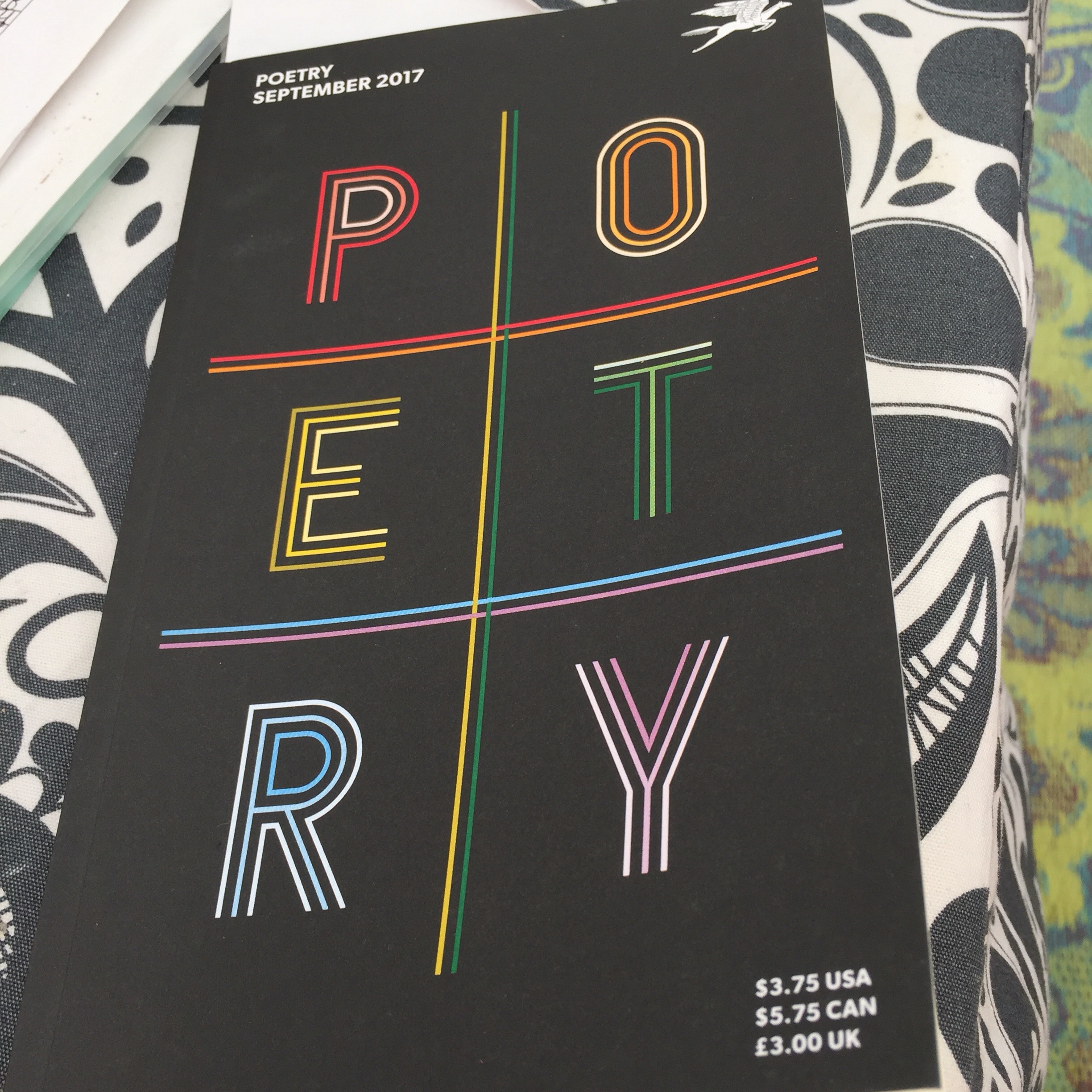
I have kept the Poetry issues because they are small and fit easily on bookshelves. Sadly, I have decided that Brooklyn Rail, for example, is more likely to become a testament to my own cluttered nature than a source of continued enlightenment through the years. So I toss them in the recycling.

Verses From The Center


This was all the DC Public Library system had, in the way of Nagarjuna, the great Buddhist theologian (and founding figure of one of the largest rivers of Buddhist thought and also the origin of Thai Buddhist theology; Mahayana Buddhism – look it up).

The translator, Stephen Batchelor, openly acknowledges that this is not an academic work and I find it a shame that the library does not have a such a translation (this is not a criticism of the DCPL; it’s an awesome library system and I can’t honestly say that such a book should be a burning priority for them; it’s more of a personal disappointment).

I don’t know much about Mr. Batchelor, but if I were to guess, I would say that he does ‘pop’ Buddhism for well-to-do white people.

Knowing a smidgen about the subject, I was able to interpret how these verses relate to the so-called tetralemma (a kind of logic or form of logic or aspect of logic associated with Nagarjuna with four predicates: x is; x is not; x both is and is not; x neither is nor is not). You can also see Buddhist ideas of time and how they relate to the absence of a self.

You can see a lot of stuff. Kind of. Partly, I know, it’s because these works were not written for me, were not written in a style nor a language nor form intended to help me understand.

Partly, though, I can’t help but think that this was intended as a sort of self help book for people who wear Lululemon to yoga classes.

‘Empty Chairs’ By Liu Xia


http://amzn.to/2x8Ie5HIt seemed unfair (and possibly sexist) to read Liu Xiaobo and not read his wife and fellow poet, Liu Xia.

I do not know how typical the poems are (the dates range from 1983 to 2013), but based on the sample size of one collection each, Liu Xia was the finer poet. Maybe that really means she had a finer translator, but the artistic and political demands are better balanced and… they’re just better to read.

And knowing that her husband, who is addressed or referenced in the many love poems in here, died recently (while serving a eleven year sentence; ostensible ‘crime’ doesn’t matter; he was a political prisoner) and that she is under an extra-legal form of house arrest (so also a political prisoner), makes many of the poems, which touch on love and on freedom curtailed, devastating (and never didactic).

‘The Wilderness’ By Sandra Lim


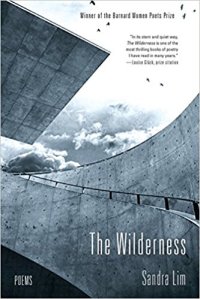
The Wilderness was the most affecting collection I’d read since Che’s SplitCold (physically), estranged, and searching. Many of the poems are arranged in paragraph-like stanzas (albeit, short paragraphs of three lines or so) that almost act as individual prose poems. Longing and desire are strong, if rarely explicit, elements. But the dialogue, as it were, is between the poet and herself. The object of desire may be referenced, but it does not feel present. In sense, the object is not the point.

‘The Narrow Road To The Deep North And Other Travel Sketches’ By Bashō


His travelogues are sprinkled with many poems, though I wouldn’t call this a poetry collection, but I wish some more were actually by Bashō and fewer by his students (especially one named Sora, who often accompanied him) and others.

He doesn’t engage in the kind of detailed, rapt description that I’ve found in nineteenth century European works, but it’s still moving to read his spare remarks about mountains, rivers, and beaches; meeting fellow poets; and making pilgrimages to isolated temples.

Read more

I Am the Beggar of the World: Landays from Contemporary Afghanistan


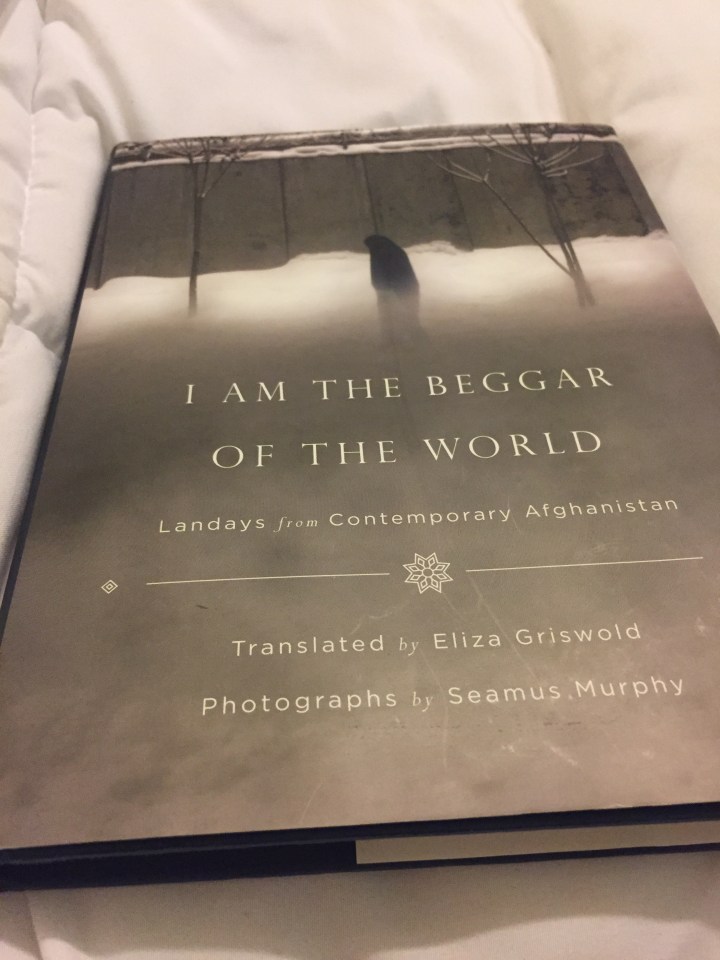
It is a book that both is and is not to be read in terms of its literary value and impossible to disentangle this book from modern history. While I enjoyed it, it was also difficult for me to fully appreciate because I never fully reconciled the conflicted nature of the collection.

Read more

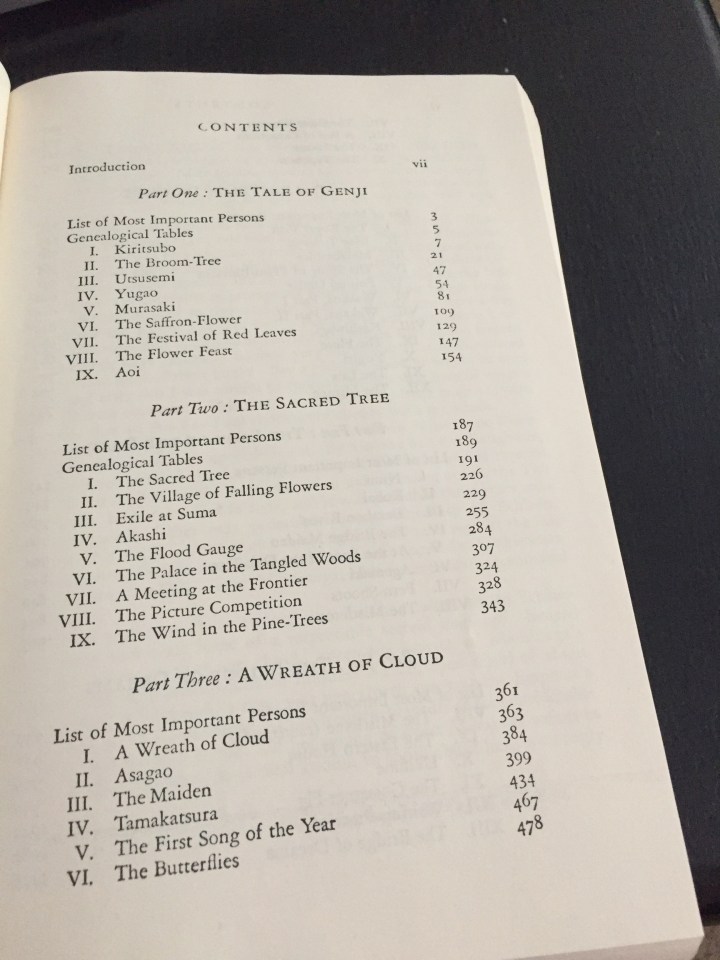
The Tale Of Genji: The Sacred Tree


Towards the end, there is some sign that the titular Genji feels some real remorse for the emotional carnage he has left in his wake. But not much. Or, at least, not enough to my mind. But the author clearly seems to be showing some disapproval. Read more

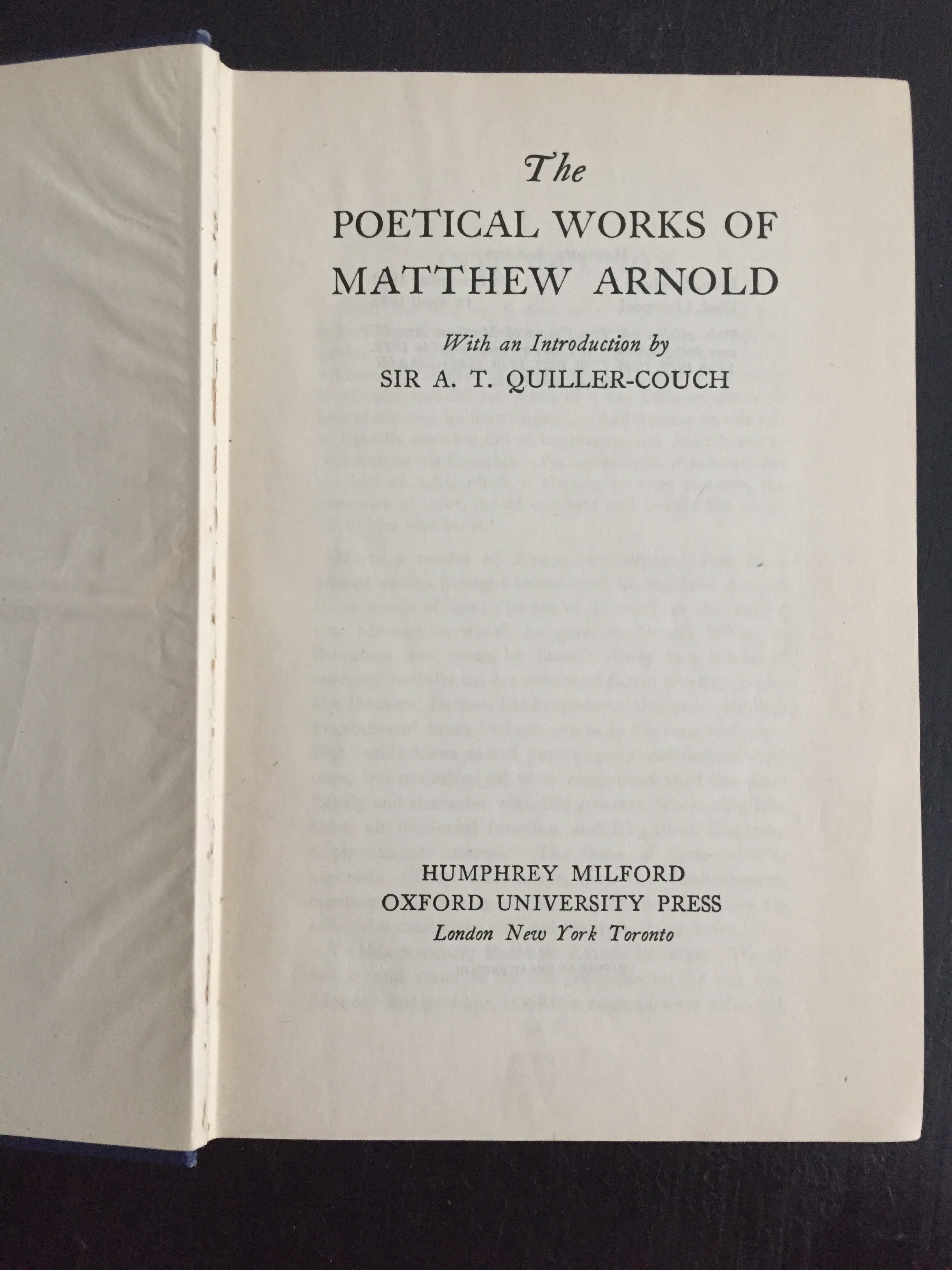
Matthew Arnold & Silver Spring Books


Matthew Arnold is a poet and essayist who I never quite took to, darkling plain or no; and Silver Spring is a small suburban city north of DC which once again has a bookstore, the clarifyingly and concisely named, Silver Spring Books.

Read more

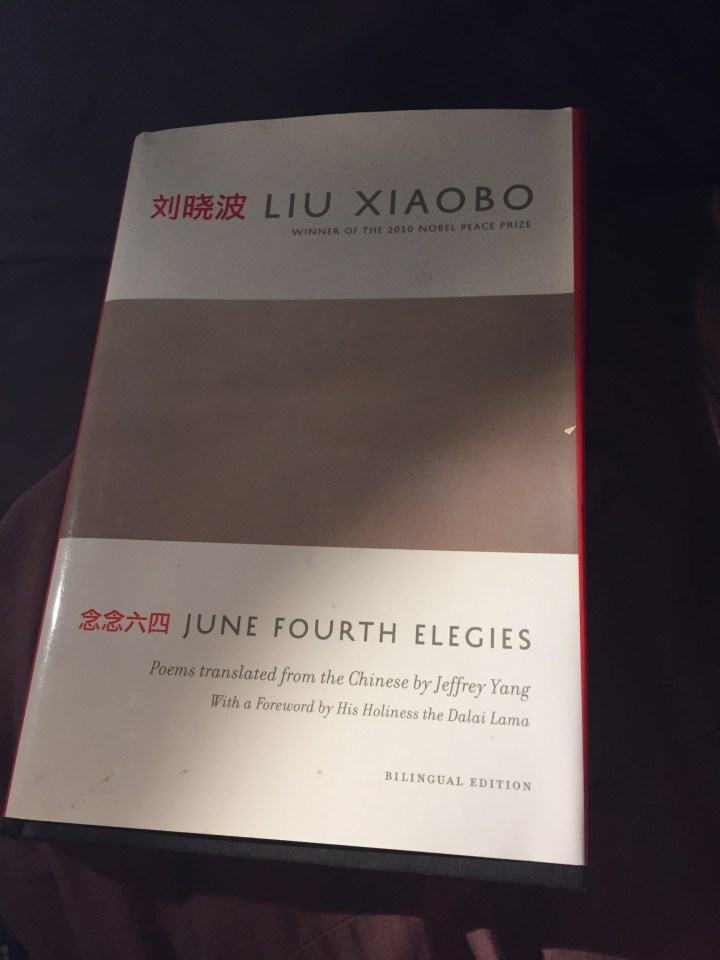
‘June Fourth Elegies’ By Liu Xiaobo


I already owned this book, but re-read it because of the tragic death of Liu Xiaobo, which, felt both inevitable and like a punch to the gut.

Of course, I ‘know’ him primarily as a poet, rather than as an activist. But now that he’s gone, I can’t separate the two enough to judge this series of poetic remembrances of Tiananmen Square, bookended with poems to his wife (also a poet: Liu Xia).

It does make our (still righteous) national grievances against Trump seem small.

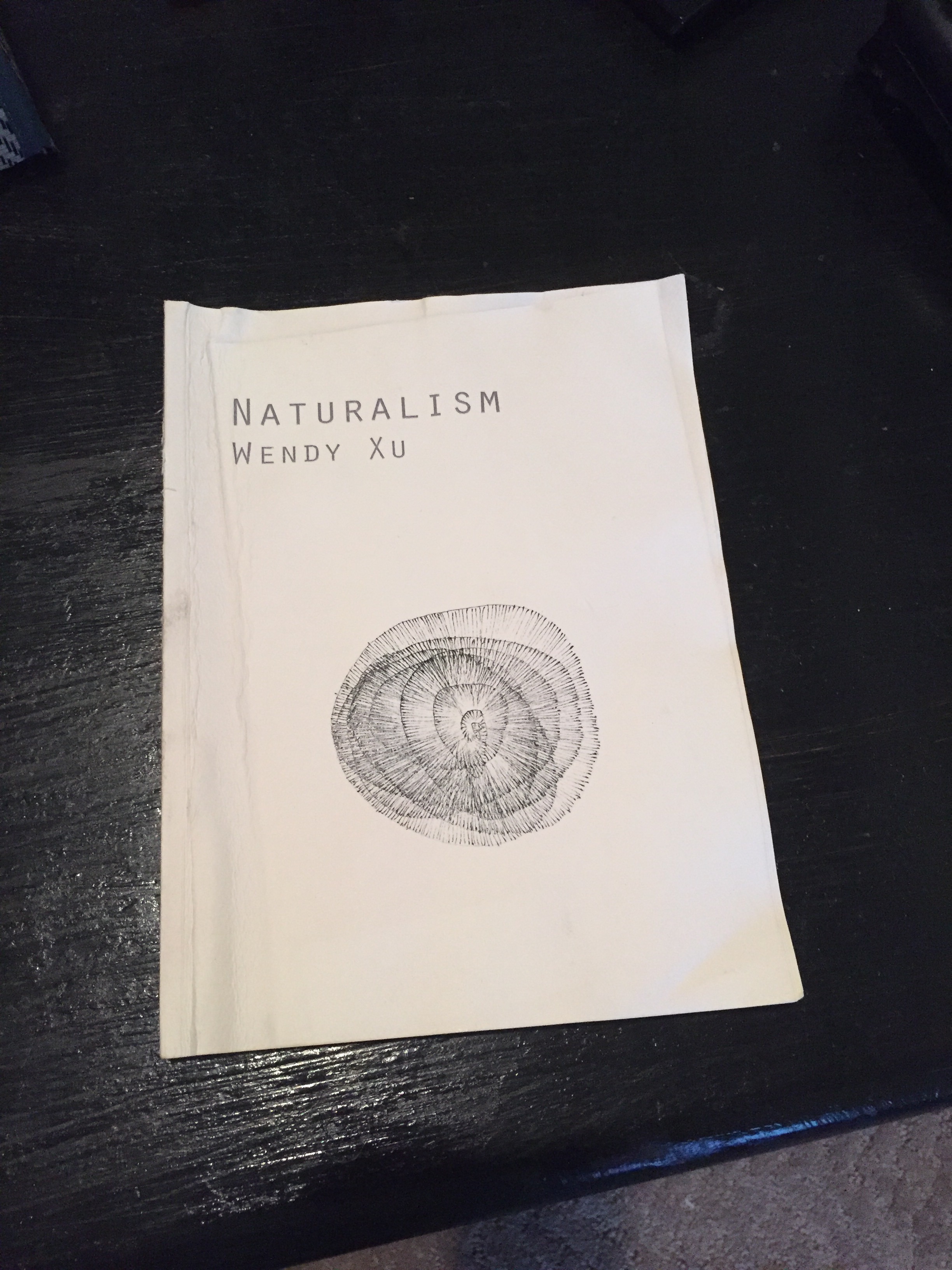
‘Naturalism’ By Wendy Xu


If the book looks like it was rode hard and put up wet… well, it was. And not so much metaphorically, as literally. It mail man placed it under our welcome mat, but it was in a relatively flat package and it was towards the edge, where people don’t normally step, so it remained unnoticed for I don’t know how long. By the time I discovered it, it had gone through more than one thunderstorm, so I couldn’t even begin to start it for several days after bringing to poor volume into the house.

It’s more of a long, super fancy chapbook than a full collection and it does feel like a work in progress. In fact, I swear that at least one of these poems also appears in her new collection, Phrasis.

Naturalism, in many cases, doesn’t feel quite mature. The best poems are very, very good. Some though, feel like filler; and in a such short book, it doesn’t take too many underdone poems to overwhelm the final sensation (nor does the fact that the very best poem appears at the very beginning).

I am happy to say, though, that Phrasis (which I am reading) is falling on the very, very good side so far.