Booktrain


We were driving back from one of the titular hot springs of Glenwood Springs, Colorado when was passed this bookstore. My better half saw the look on my face and said, let’s pull over.

It’s not a large bookstore, but doesn’t try to completist, but instead on having a nice selection. In classics and in poetry it had essays and poetry by the American philosopher of the outdoors, Wendell Berry, as well as a lovely looking edition of The Count of Monte Cristo. In sci fi and fantasy, there was Joe Abercrombie’s The Blade Itself.

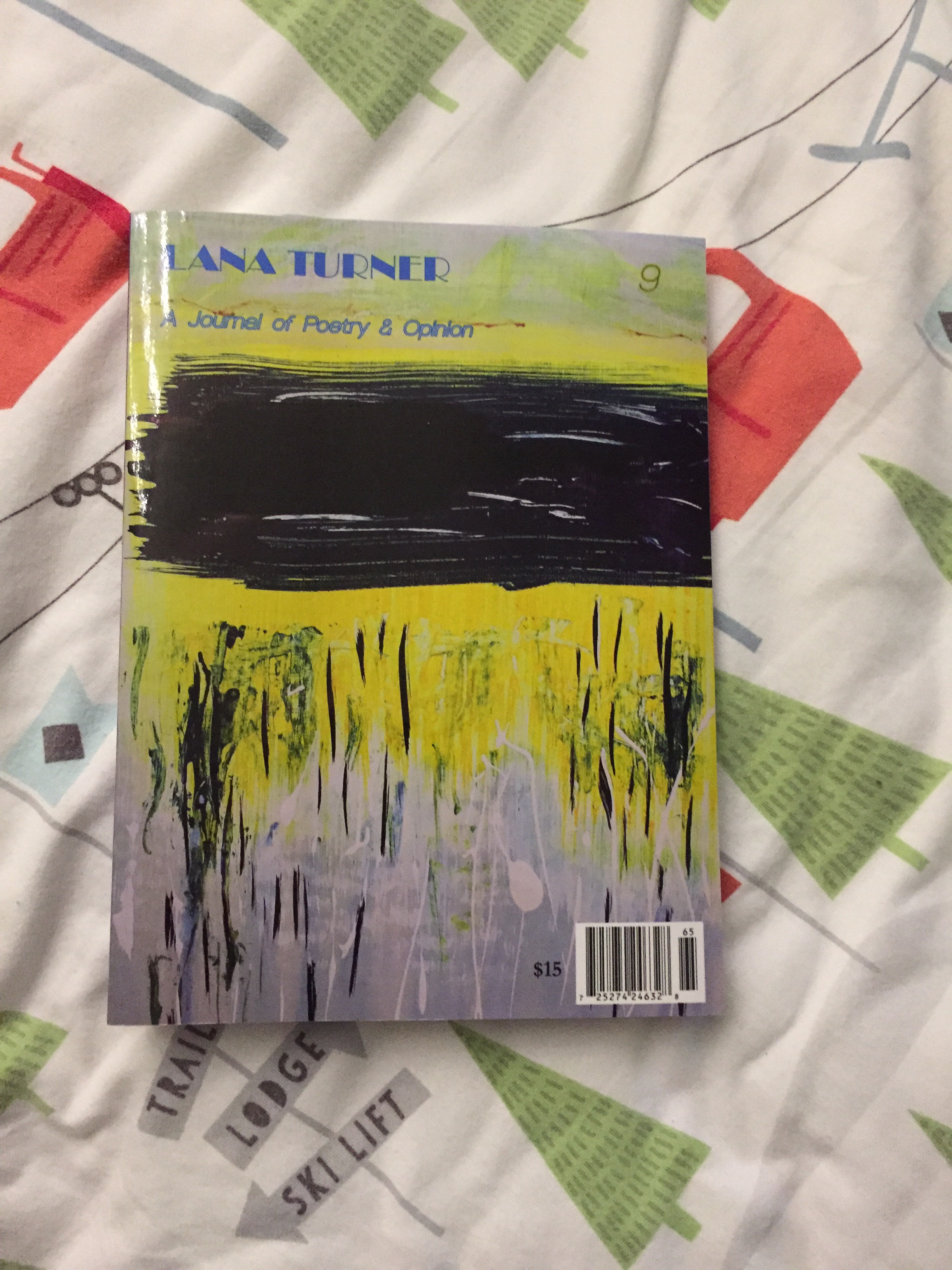
The largest single section were the racks of periodicals stretching down the length of the store and part of the back wall. Very near the door were their lit mags, including Lana Turner Journal, one of my favorite publications.

My better half also pointed out a large-ish selection of nudie mags – at least twenty different ones, partially covered by the shelf and wrapped in plastic. In these modern days, you don’t see that much anymore.

Ancestors


I’m bouncing between two books: one is Meher McCarthur’s Confucius: Throneless King and the other Walter Pater’s Marius the Epicurean.

I’m barely into either of them, but so far both are focused on their figures’ obsession with honoring their ancestors and their mothers.

Both are also works by men writing about figures centuries distant from them, but that’s not really my point.

Nor is my point that the discursive novel of a nineteenth century essayist is very much like a non-fiction book by a contemporary academic.

Actually, I’m not entirely sure what my point is.

I Love Godzilla


Godzilla was on the other night. The terribly edited one with Raymond Burr spliced in and the most terrifying moments cut out (a mother and child crushed underfoot) in order to satisfy the delicate sensibilities of white americans.

But I love Godzilla so much.

The looping crescendos of the music, reminding us that Godzilla does not care about us, barely notices us. It’s not ‘scary’ music like the strobe light sounds of Pyscho or the rising, precision hunting of Jaws. Like the monster himself, it is merely inexorable.

To The Green Angel Tower


I finished the Memory, Sorry and Thorn trilogy (which, apparently, will have a follow up trilogy, with the first book coming out this summer).

There was, I’m afraid, a definite decline in the series. The first book did not reinvent the wheel but was, nonetheless, a reasonably creative take on the high fantasy tropes. The hero was a youth, but he never did turn out to be some destined hero of prophecy (or great wizard or even better than a decent warrior). The first book also took its time. Really took its time. Which was just fine.

As the series went on, the author started doing the George R.R. Martin multiple perspective thing and it didn’t work for me.

Also, the ending feels rushed and sort of implies that everything every character ever did was kind of pointless. And I’m also not entirely sure how the good guys won.

The Rodin Museum & Joseph Fox Bookshop


We went to Philadelphia for a two day work thing that had the first day unexpectedly cancelled, so we found ourselves with an unexpected free day in Philly.

Living in DC spoils an art lover. Most of the city’s best museums (which are some of the finest in the world, I would argue) are free. You get used to not paying for access to great art. Which does bring up some interesting issues: by making it seem like creative works should be free, are we devaluing the labor of artists (as has already happened online, particularly with writing and journalism); or are we making the arts more available to underserved communities? Just to put my own thoughts into this, I would point to the model of the Detroit Institute of Arts Museum, which is free to residents of the county wherein it resides (Wayne County, if you’re interested). While that wouldn’t apply to museums like the National Gallery of Art nor the Smithsonian, since they are treasures for the entire country, that doesn’t mean we shouldn’t be thinking about various models.

But my point was that it has made me cheap and I couldn’t help but notice that the Rodin Museum had only a ten dollar suggested donation (per adult), whereas most other museums were charging twenty. Also, a large selection of Rodins was not something I could readily see in DC, whereas a large selection of (for example) Impressionists is something I can see back home.

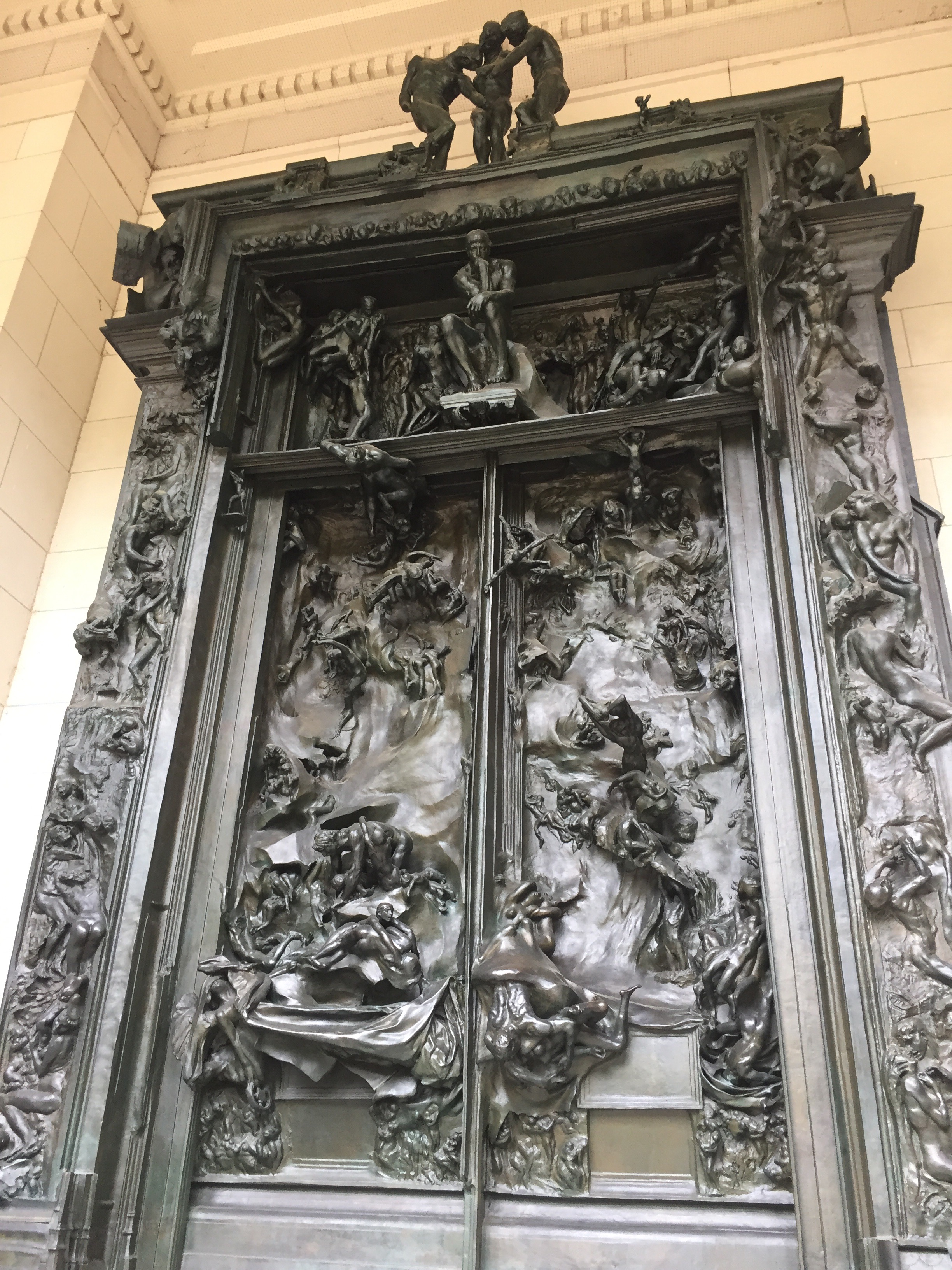
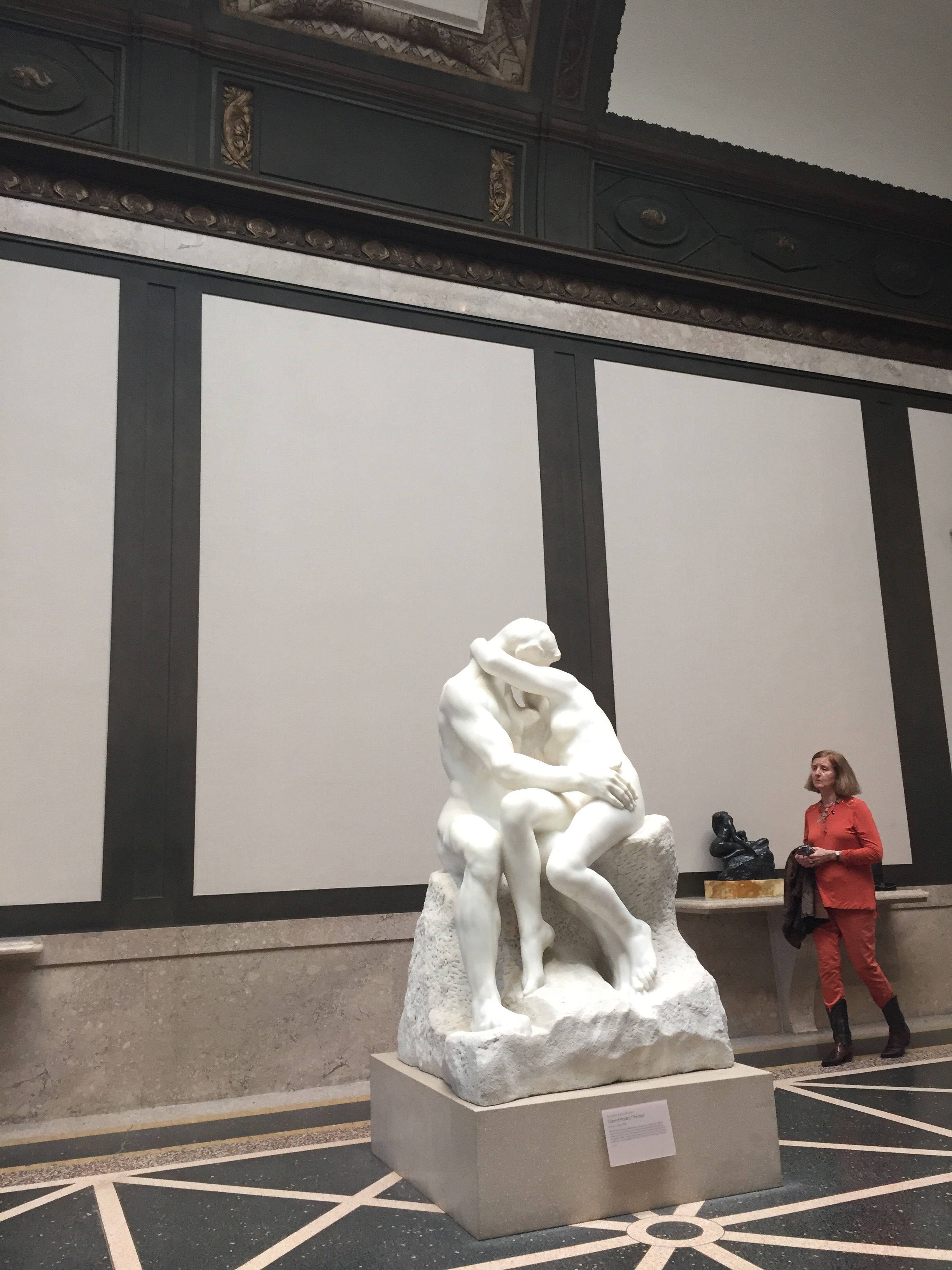
It’s not a large museum, but it’s in  classy, Art Noveau looking building and filled with interesting pieces and has a beautiful garden with some larger pieces – though it was raining cats and dogs all day long, so we weren’t in the best form to appreciate, for example, a large bronze of the Gates of Hell.

A little later, we trod through the rain to the Joseph Fox Bookshop. I knew nothing about it, except that the Yelp reviews sounded promising.

It’s a very small bookstore, but it makes up for that by being exceptionally well-curated and giving a lot of space to smaller presses to publish (drum roll, please)… good books.

For example, the NYRB and Pushkin Press were amazingly well-represented (those are two presses that you can buy almost any book they publish and be confident that it will be awesome).

Naturally, I bought something. In my case, a recently re-published in book form long essay by Marcel Proust: Chardin and Rembrandt.


‘Timon Of Athens’ At The Folger Shakespeare Library


To get one thing out of the way: by Shakespearean standards, Timon of Athens is not a particularly good play. That isn’t to say that it isn’t still better than almost everything else, but the narrative veers too swiftly and character traits which appear can feel underdeveloped (unearned might be a better way to put it; characters don’t earn their actions through earlier characterization).

One ‘solution’ taken by the director, artists, and casts was to create a stark, high tech set with some video screens and LED lights in the floor and ceiling and cyberpunk feel, with characters always carrying smartphones and money transferred via biometrics. The characters were very much dressed in a ‘cool’ fashion. The artist wore black and a beret; the philosopher wore a scarf and a tweed jacket.

Timon was played as a germaphobe, no doubt to sharpen the impact of his feral breakdown and feces smearing (I’ll explain later; wait, no I won’t), though I don’t think they succeeded, because I only realized what was being attempted in retrospect.

Having been reading a lot of Greek philosophy lately, and also the historical circumstances around ancient Greek philosophers, I was struck most by two characters: the philosopher Apemantus and the soldier Alcibiades.

Apemantus was a sort of Socratic gadfly, though his philosophy less resembled the Socrates of Plato and Xeonophon than a milder version of the Cynic philosophers (not cynic, as in the modern definition of ‘cynical,’ but something else; you’re on the internet, so look it up – or better yet, read a book!). In fact, Apemantus’ final appearance has him pointing out that Timon has taken on his role – and Timon has very clearly taken on the role of a true, impoverished Cynic, while Apemantus appears less afflicted (again, more like a Socrates inflected with Cynic philosophy than a true Cynic).

As for Alcibiades… there was an Alcibiades who appears in the Socratic dialogues of Plato and who was a favorite of Socrates in life. That Alcibiades was also a sort of collaborator with the Spartans after Athens lost the Peleponnesian War. This Alcibiades marches an army on Athens, partly because he was disgusted with the disrespect with which Timon had been treated.

Simone De Beauvoir’s Office


Or a replication/re-creation thereof.

And a brilliant idea by the National Museum of Women in the Arts.

The Second Sex is brilliant and I have read The Mandarins at least three times, but when I first read about this exhibition, I didn’t put two and two together and realize that it was right here in Washington, DC. It was just coincidence that we happened to visit the museum that day.

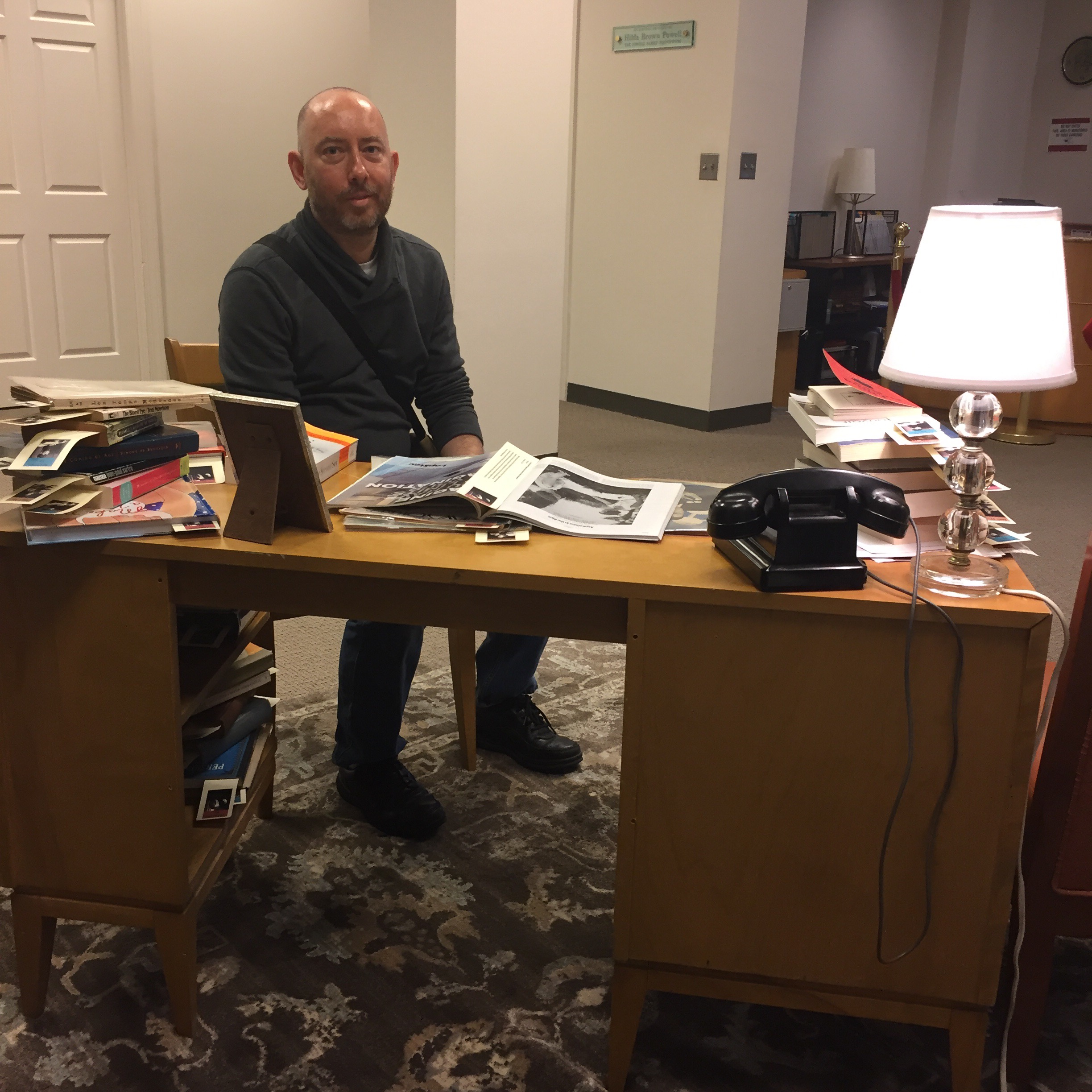
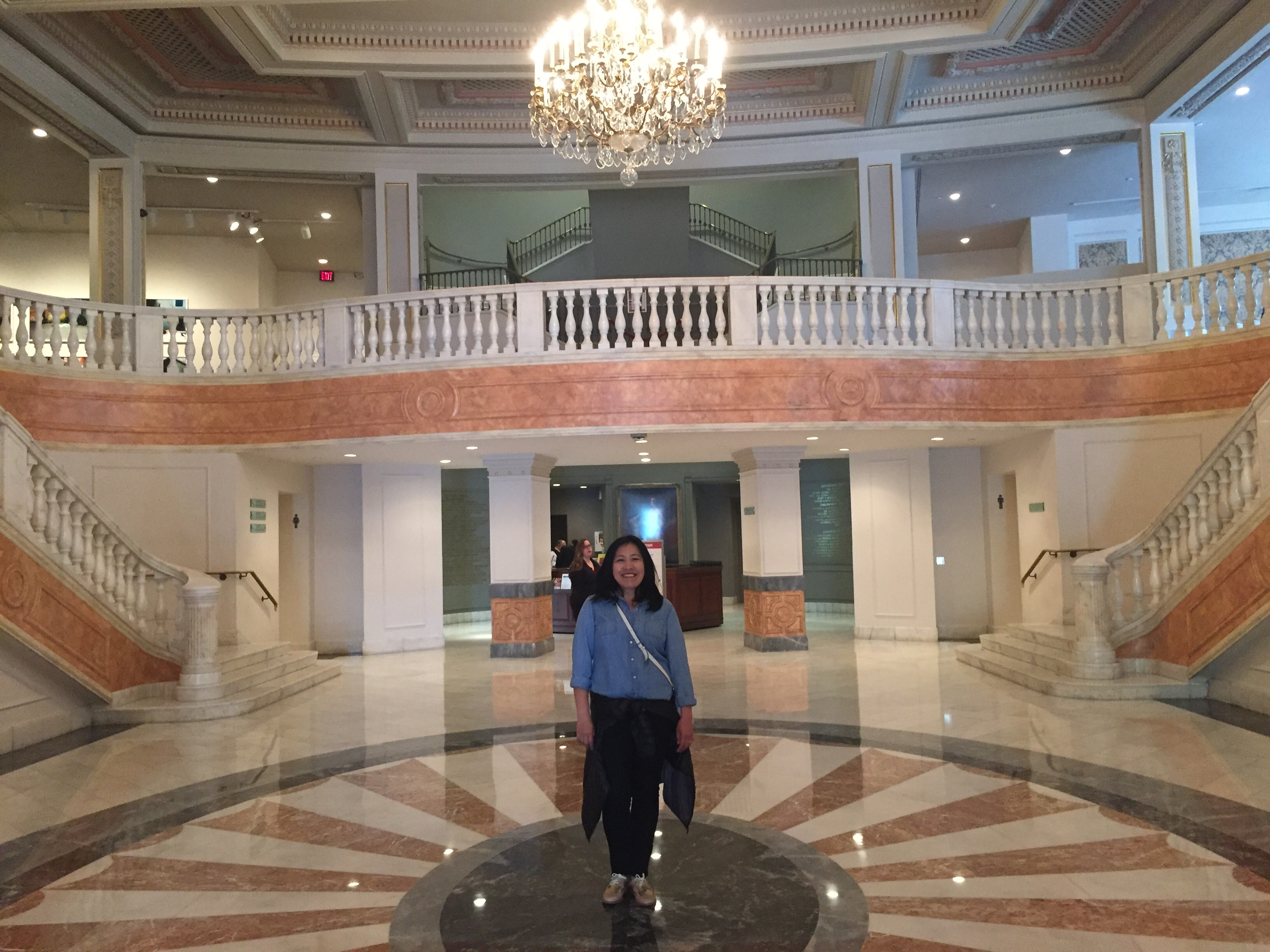
As you can see, I got a kick getting my picture taken while sitting at a re-creation of her desk.

While much of the stuff were merely examples of things from her study and not actual originals, there were two handwritten pages from The Second Sex, which is pretty awesome.

A friend is a security guard there and she took me to see a marble statue and when I looked at the name, it was by Sarah Bernhardt, the famous actress of the late nineteenth and early twentieth century stage – who was, apparently, a skillful sculptor in her spare time.


The museum is a beautiful building inside, to boot.

Leftist Thai Literature


Siburapha, the pen name of Kulap Saipradit

I read some short stories by Siburapha, who wrote Behind the Painting, and all three were dominated by ideas from left leaning, socioeconomic activism, something that I could only see in the novel in light of these stories (and even then, so much more faintly; the novel is, ultimately, about the loves of Thailand’s upper echelons).

In fact, I would say that the stories verge on being downright marxian (particularly one entitled, Lend a Hand, which featured an explicit dialogue about the relative value of labor vs capital).

Enjoyable, but like the novel, a little too much driven by ideas and a little too little driven by character (arguably, only Dostoyevsky ever wrote a truly successful philosophical novel, where a plot entirely driven by intellectual concerns still managed to be a deeply riveting narrative; I’ve always felt that The Brothers Karamazov is the most architectural novel ever written).

Reading Poetry Is Not Like Reading Prose


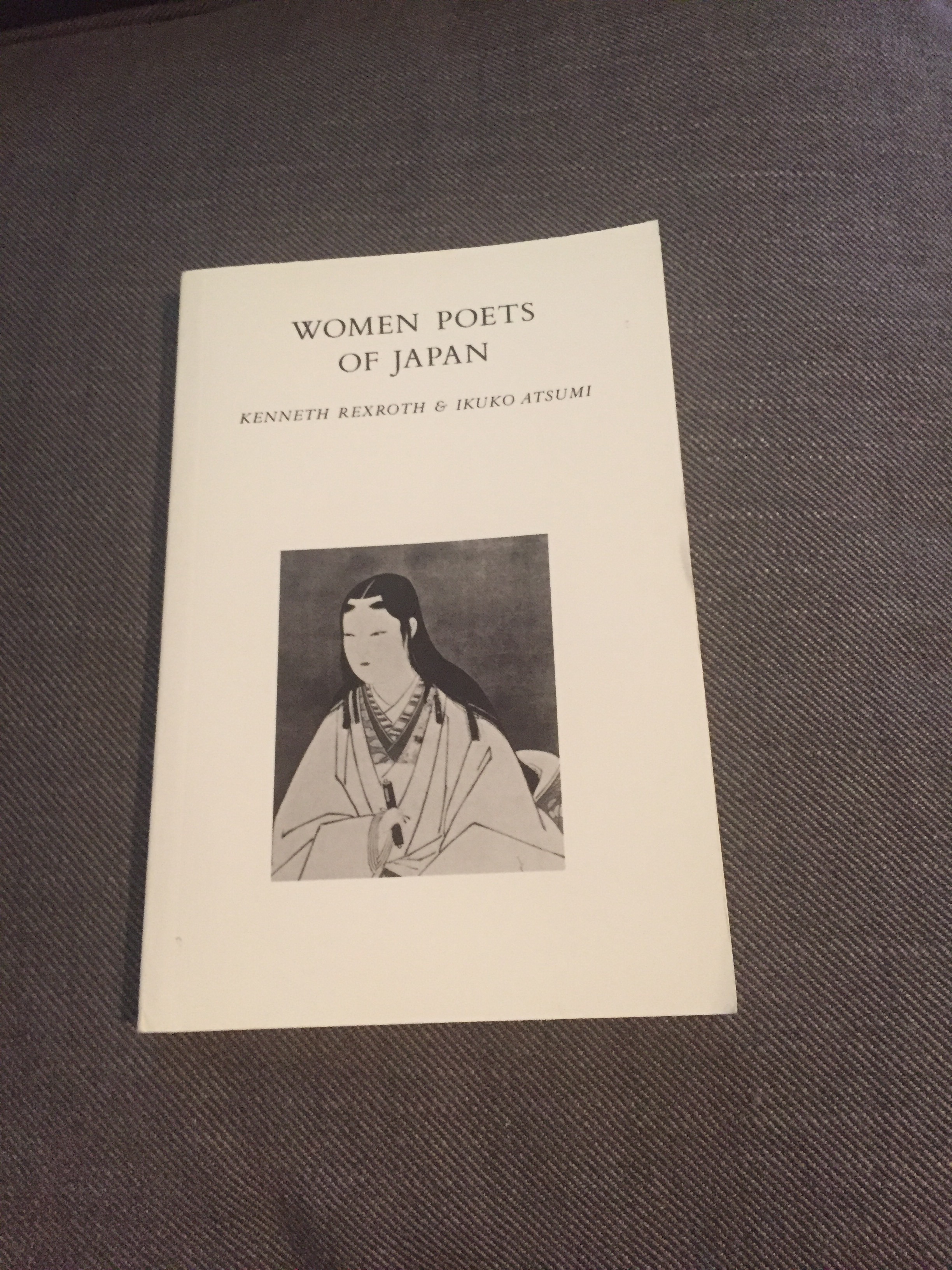
It’s books like this that make it both difficult and besides the point when people ask me how books I read in a year or a month or a week or whatever. I love this book. Every so often I pick it up and read through some of the poems. In fact, I just did it.

What I didn’t do is read systematically through it from cover to cover.

Instead, I read a few and was inspired to read a chapter from the second book of The Tale Genji, which I had started and then set down after finishing the first book. I did this because Murasaki is one of the featured poets.

I am also thinking of going back and finding some other books in my collection by Japanese women poets (names, Salad Anniversary and Collected Poems of Chika Sagawa).

Reading poetry is a different thing than reading novels or nonfiction. It’s a different kind of attention and is done at a different kind of pace.

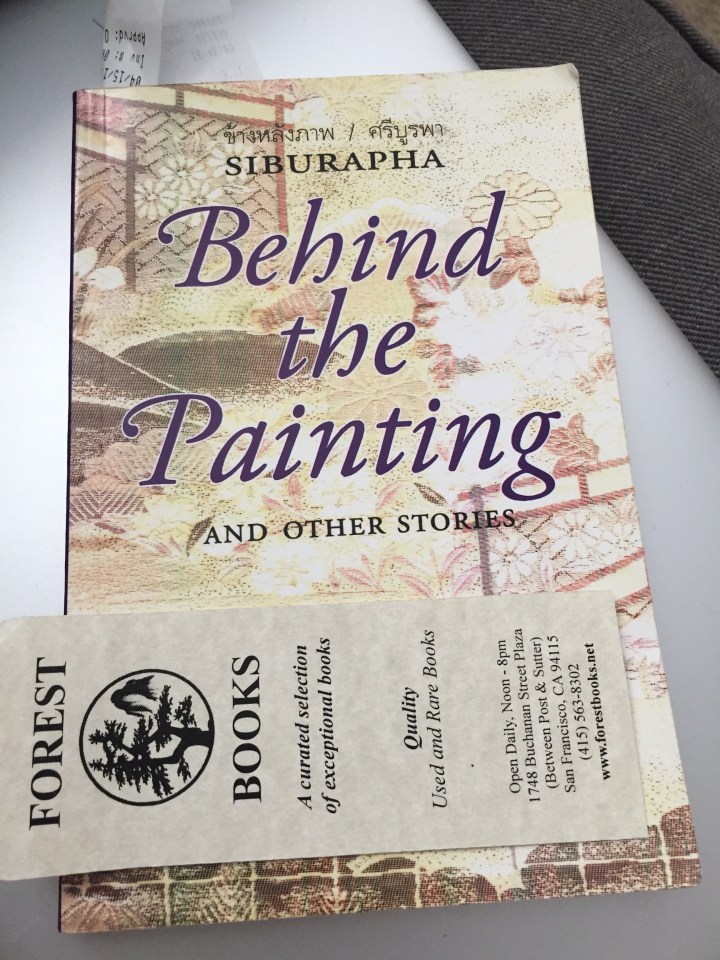
Behind The Painting


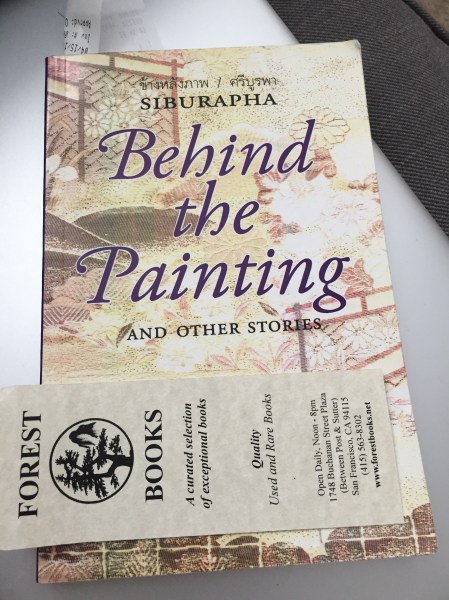
After I bought this, my better half perked up. This book, she said, is a sort of classic. It’s one of those books that every Thai student is given to read in high school. She then quoted to me a translation of the final line, which is, apparently (and one other Thai person confirmed this to me), iconic.

I die with no one to love me, yet content that I have someone to love.

We were at a Cherry Blossom festival in San Francisco’s Japanese neighborhood (in LA, that neighborhood was called Little Tokyo, but I think in SF they called it Japantown) and I excused myself to check out Forest Books, a great little used bookstore, specializing in books about Asia and literature in translation. They had shelves devoted to Eastern European, Chinese, and Japanese literature. And they had a Southeast Asian shelf, so I figured I would see if they had anything from Thailand. Not knowing anything about it, I bought this.

It’s romantic, and I’m a sucker for that, even if it was a little slight.