
My fascination with two towering and toweringly problematic white, male, America intellectuals (Jefferson and Vidal) continues. People, I think, get my interest in Jefferson (which arguably dates back to a visit to Monticello with my mother when I was in elementary school), but Vidal continues to be get confused shrugs from my friends and family.
Elegiac. Remembrances of people lost. He is in his late sixties as he writes it, but sounds much older. His name dropping feels less pretentious and his poison pen less malicious than usual.
Early on, he notes that he has his grandfather’s imperious ponch, but that unlike that statesman, his is fueled by alcohol consumption. I noted this bit of honesty because I have read that in his last years, he suffered from dementia brought on by alcoholism.
He seems to have almost forgiven Kennedy for betraying him, politically, as he saw it (believing that Kennedy, after getting us into Vietnam, would have escalated as surely as Johnson did) and to look kindly on Jackie Kennedy.
 I assume he also had the benefit of an anonymous co-writer. I remember well the placement of these books in the Dunedin Library when I was in high school and later the TV movies and series.

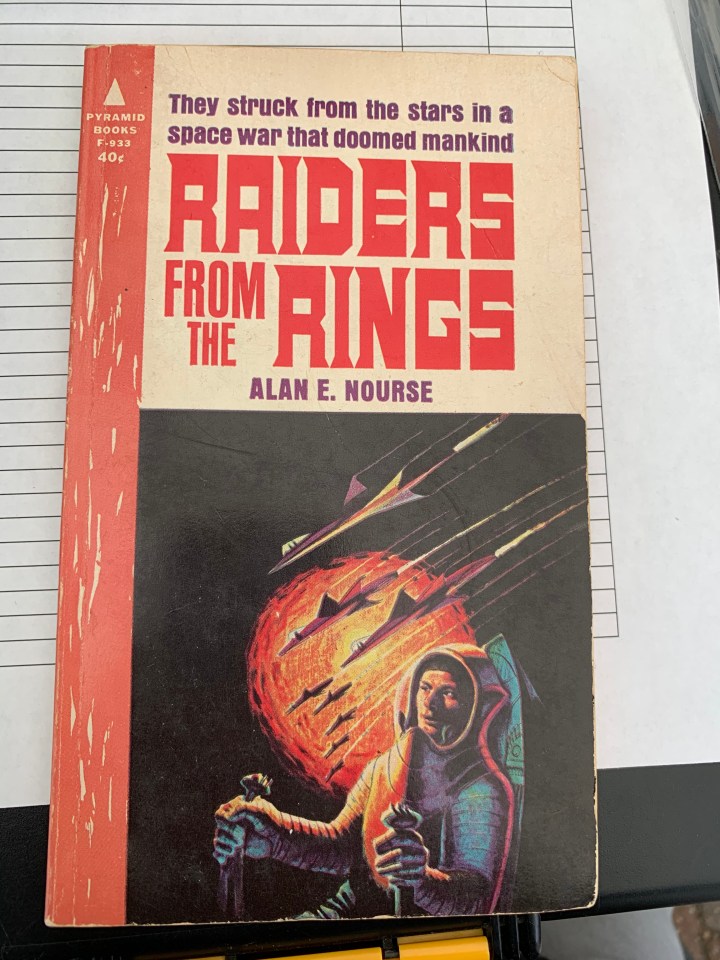
 I appreciated that ‘hardness’ of the science fiction, by which I mean that it doesn’t, for example, hand wave moving faster than light; travel can take centuries because ships can only approach light speed. I am most reminded of Dan Simmons’
 Coming at a difficult period (a toxic work climate and the passing of a beloved family member), I read this slowly. It is exactly the sort of consolation one might want from a collection of Stoic writings. How to deal with bad influences, grief, old age, and illness. How to appreciate friends.
 It is not nearly so lurid nor horrific as the title might lead one to believe. It’s really just an Edwardian ghost story.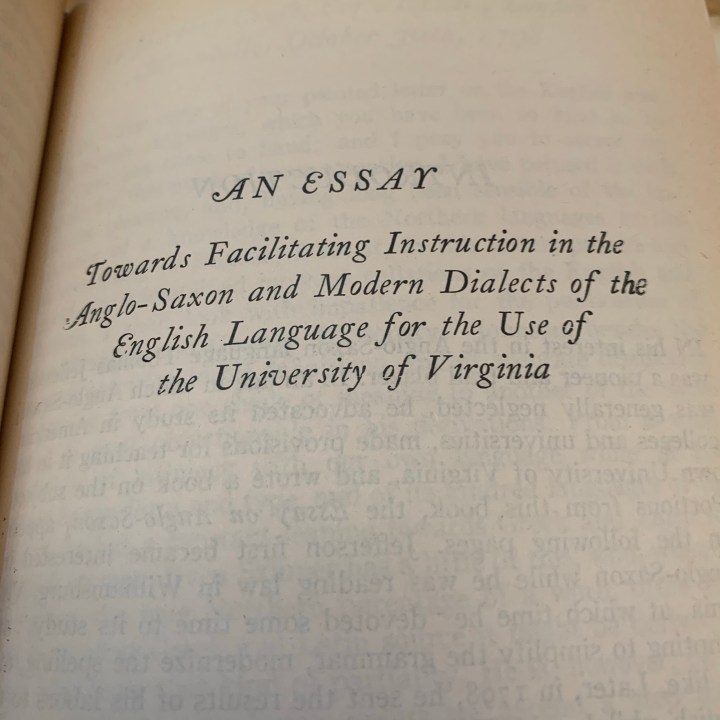
 the coffee philosopher