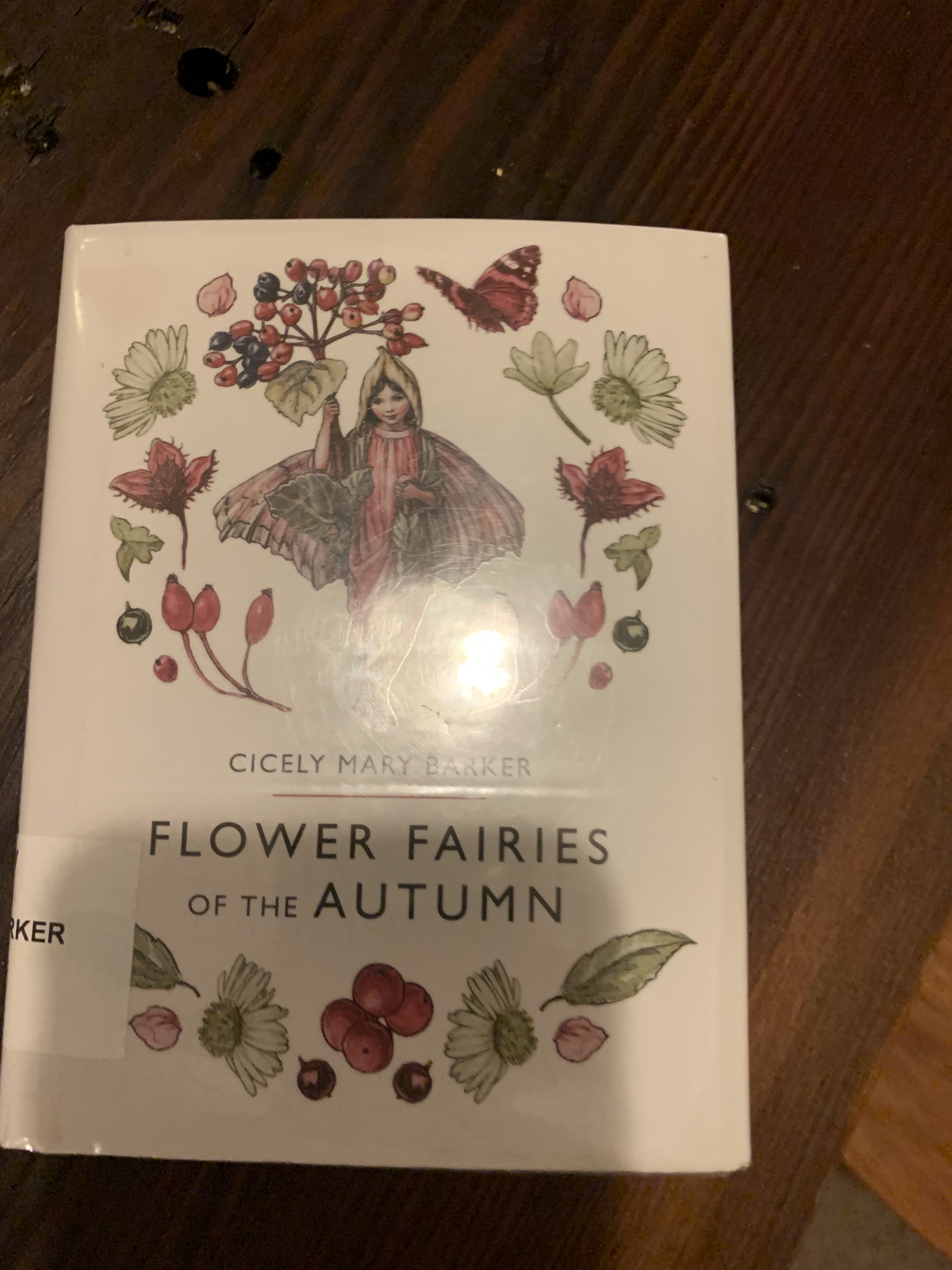
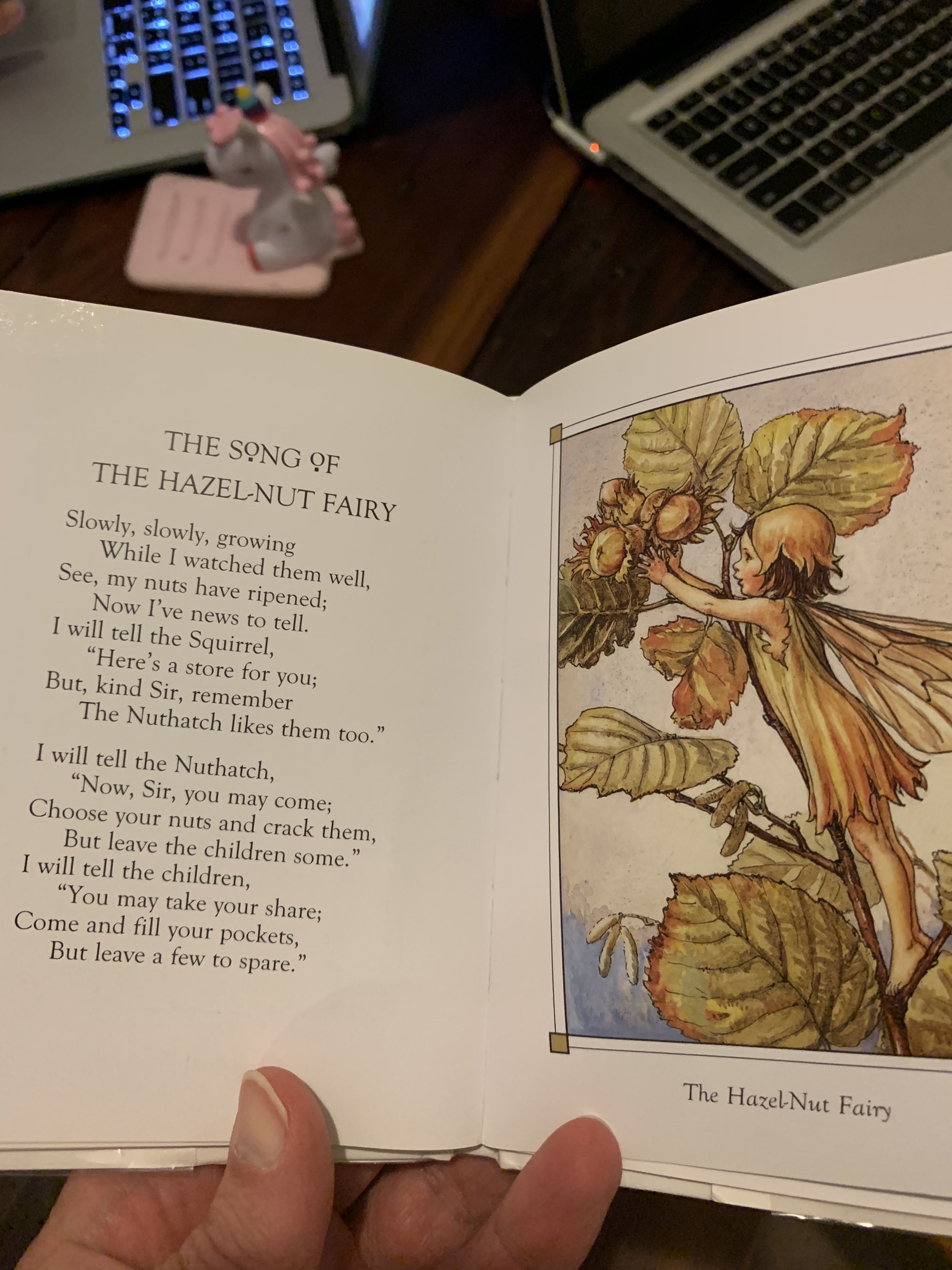
‘Flower Fairies Of The Autumn’ By Cicely Mary Barker


I saw this old book of 1920s, pastoral, children’s poetry at the library when the little one was getting her first library card and felt an immediate urge to get. It reminded me of some books I had had when I was young (Beatrix Potter is still a favorite of mine).

Well, my little loved it and made me finish the whole thing when we read it for her bedtime book.

She loved that the poems are called songs (though she called my singing flat). We have also been reading The Hobbit together (if it’s been a while, you, like me, may have forgotten how magnificent a tale teller and stylist he can be) and she loves the songs that appear in it and often implores me to go back and read the first two poems in that book again.

Perhaps this is a sign that I can begin to inculcate her in my love of poesy?

TekLords


I have to say, despite all the conditional praise I am inclined to heap upon TekLords, it ends with the most ridiculous deus ex machina since Russia made Trump president of the United States. The hero, handsome, yet weather beaten Jake Cardigan, launches an attack on the cartel’s headquarters but fails to find the cure to the plague afflicting. Don’t worry says his private investigator partner, Sid Gomez, I found everything we need in that room over there.

That being said, it is surprisingly good. I would actually classify it as being almost lighthearted cyberpunk wrapped around a detective novel (it’s too breezy to be noir).

I have learned that the actual ghostwriter was Ron Goulart (I wasn’t sure when I read TekWar, who I have never read under his own name. I’m a little sad to know for almost certain that William Shatner didn’t write it, but that should in no way detract from his overall awesomeness nor from the absolute fact that he was the greatest Star Trek captain. Only children don’t understand this.

My praise of TekLords brings to mind what I said recently about the high standards I have for literary fiction. This paperback throwaway is not half as good as Essex Serpent, but they are not competing on the same playing field and are, perhaps, entirely different sports (one is tennis and the other professional wrestling?). But is this the right attitude to have?

Read more

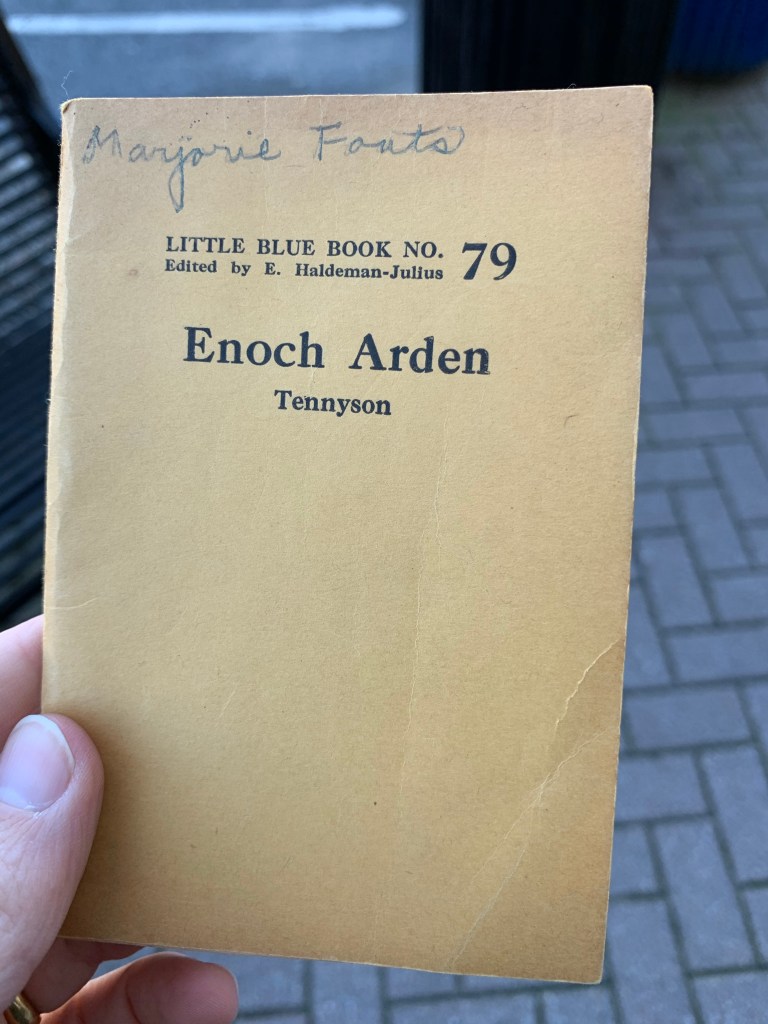
‘Enoch Arden’; Biblion


Biblion is a lovely used bookstore in downtown Lewes (Delaware). It has, in fact, greatly improved in its selection since the last time I visited. A little on the pricey side for a used bookstore, but not unreasonably so. Its price points were close to Riverby Books, late of Capitol Hill.

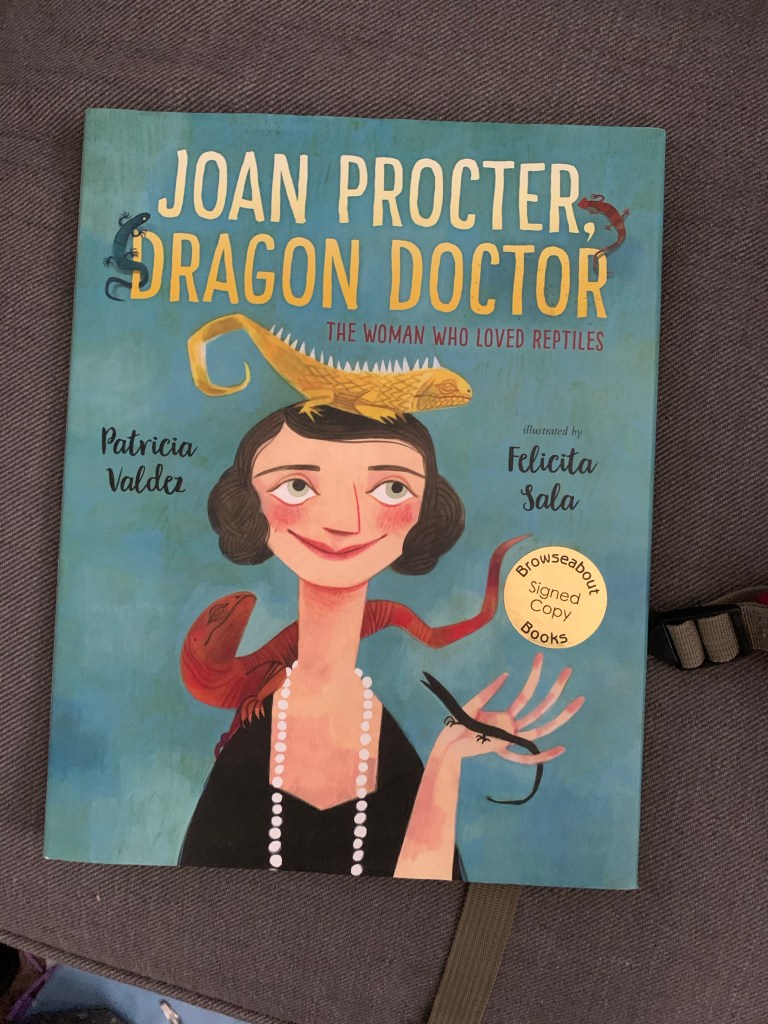
I got the Tennyson (was this a sort of textbook, originally?) and my little one got a book about a doctor to dragons and an Emily finger puppet/refrigerator magnet. I am not generally inclined to buy her toys at bookstores, but she showed me the little figure in the white dress and I guessed her identity and since she is my mother’s favorite, I submitted easily (and she also got a book of her own).

I have not read nearly as much Tennyson as I have intended to and this seemed a way to remedy that, in some small fashion.

Now this sort of narrative poem is not my usual favorite and Enoch Arden has not altered it, but Tennyson’s wild and overwrought melancholy is heady stuff and this love triangle without villains (save perhaps, the class system, after a fashion) is a fit table for cooking.

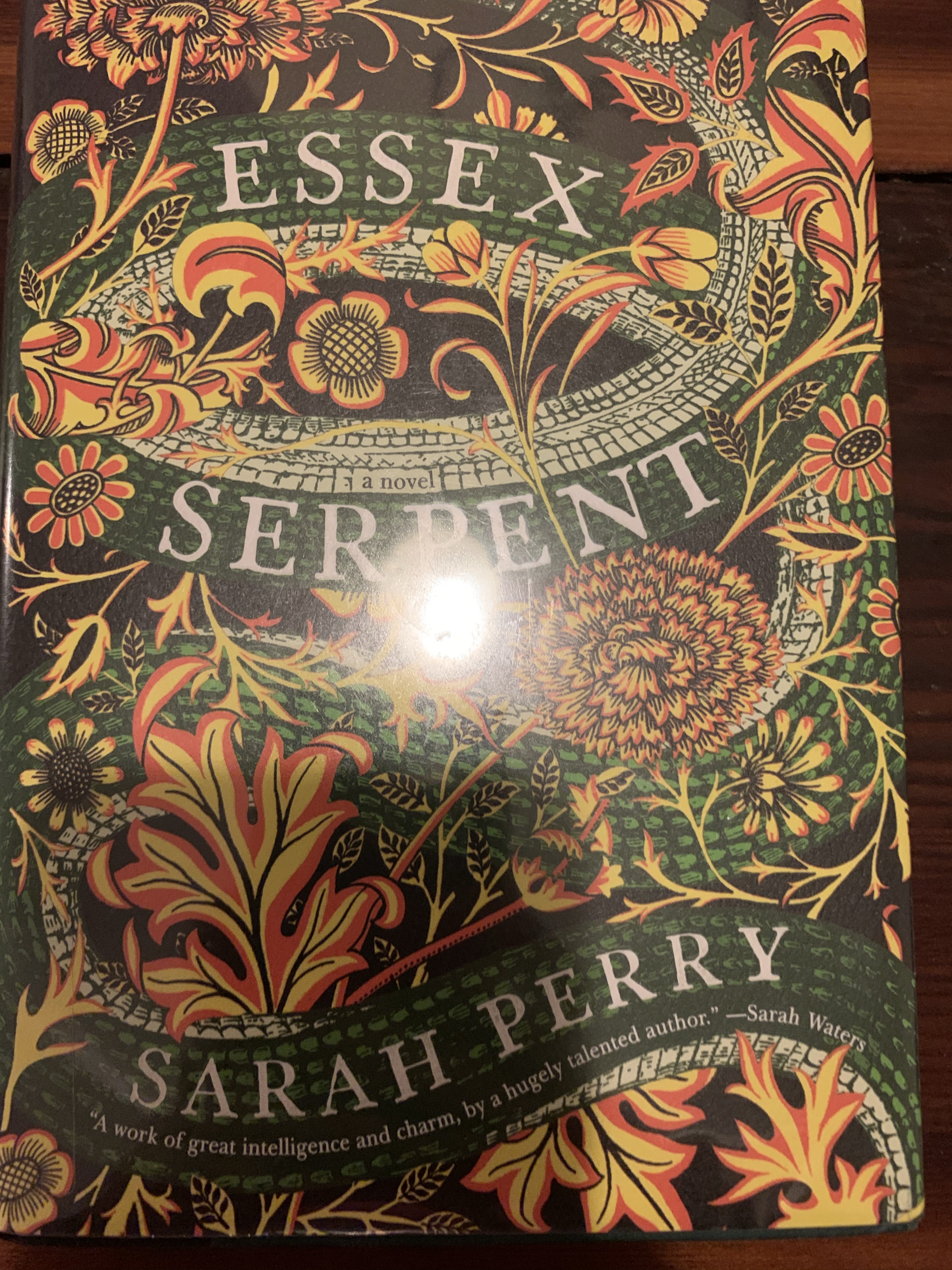
Essex Serpent


A good book, but contemporary literary fiction must, for me, compete with classic literature. Not fair, perhaps, because my beloved science fiction pulps can be quite terrible without losing a jot of lovability.
But Essex Serpent (which I can’t believe doesn’t have The in the title) is a sort of love story that is also about scientific and social progress and women’s rights.

The titular serpent is a sort of swamp-based Loch Ness monster, whose existence is only partially disproven when the corpse of an immense oarfish washes up river.

I appreciate the ideas and the style (which incorporates letters and journal entries). Of the three primary protagonists, one is fantastically drawn, another very well drawn, and a third adequately drawn. The fantastically done one is a very short, ugly, and genius surgeon who I would gladly have read a whole novel about.

The Dragon Republic


Like the first book, The Dragon Republic was good, but for my personal appreciation, a victim of its own hype. It’s good, but not as good as the buzz surrounding it.
The political machinations are fascinating, but the landscape seems undercooked. I have a good sense for the point of view character’s internal life, but no real sense of what anyone looked like. I don’t need to detailed pictures, but for whatever reason, I just couldn’t see these people in my mind.

The various stand-ins for real world nations and peoples (China under one of the less successful dynasties; imperial Japan; European colonizers) are too obvious to make the world feel totally real to me.

But it’s still better than most of what’s out there and it’s not fair to expect so much than I expect out of less ambitious and less promoted books and I will probably read the third book when it comes out.

‘Roderick Hudson’ By Henry James


Believe it or not, this was the first novel by Henry James that I have ever read. I won’t say it was the first thing, because I feel like I probably read a short story of his somewhere back in my school days, but as to novels, before this, not even Turn of the Screw.

I enjoyed it greatly, but did not find it to be a particular variety of the nineteenth century novel about artistic types. It was one of his first novels, so I am assuming he was nowhere near the height of his powers. After finishing, I fell into the trap of wondering how his sexuality influenced the novel and characters.

He apparently wrote a later novel about one of the characters, Christina Light. Christina was, to be fair, the most interesting character. The titular Roderick (a young man, taken to Italy by a wealthy benefactor so that he can express his talent as a sculptor) is a selfish, dramatic man-child. His benefactor (and the POV character; the novel is in third person limited), Rowland, is nice to the point of being nearly non-existent. Roderick’s mother and fiancée are, respectively, hysterical and angelic.

But, it all did make me want to go to Italy.

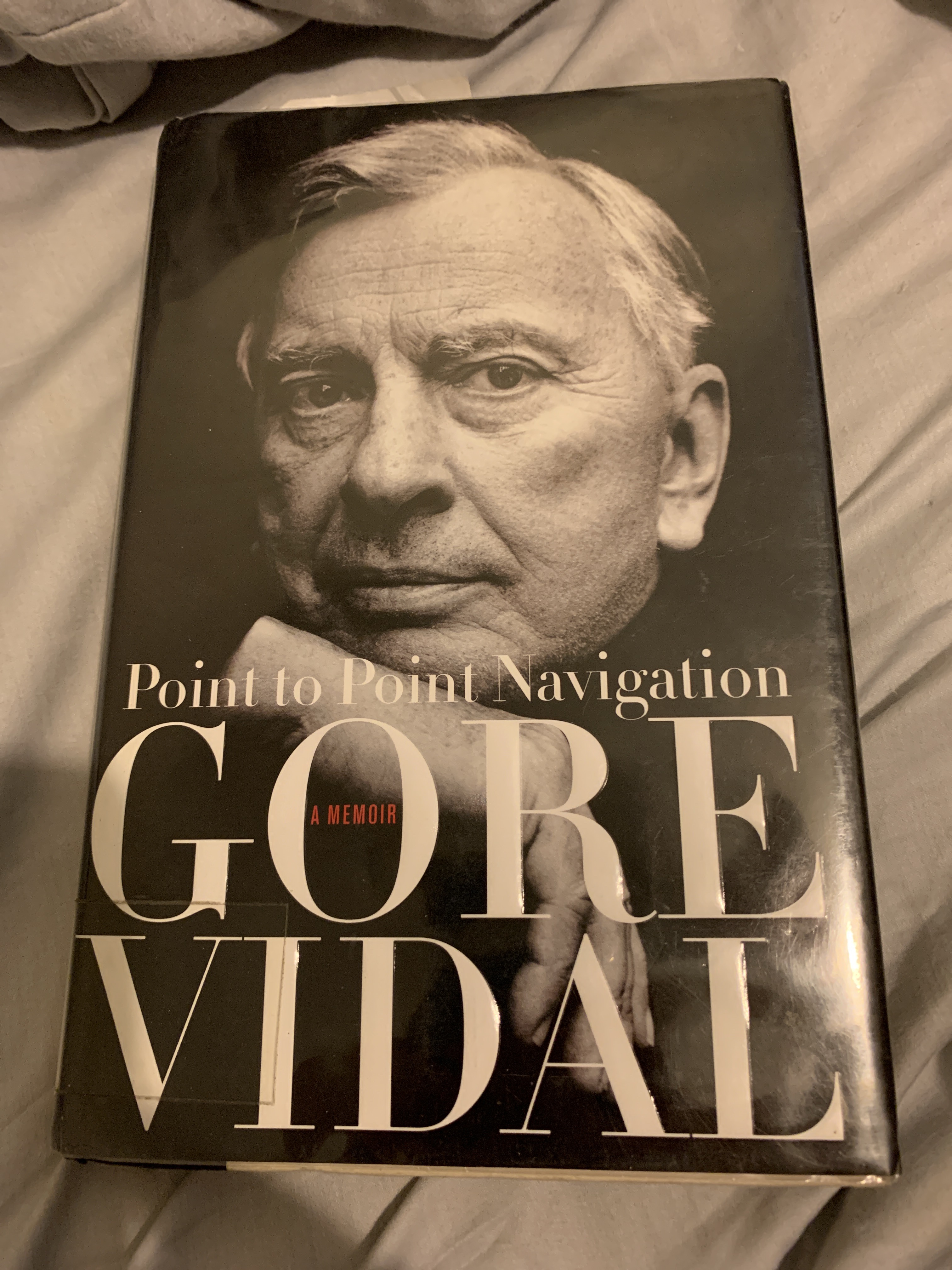
‘Point To Point Navigation’ By Gore Vidal


Not half so sad as its autobiographical predecessor, Palimpsest, despite containing moving accounts of the decline and death of his partner of more than half a century. It is more classic Vidal. Witty, viper-like name dropping and infinite and partially justifiable self regard.

Want humorous stories about Tennessee Williams, Paul Newman, Omar Sharif, and Norman Podhoretz? Look no further.

A surprisingly breezy read, too. Short chapters and sort in general (little over 250 pages).

The Yellow Wallpaper


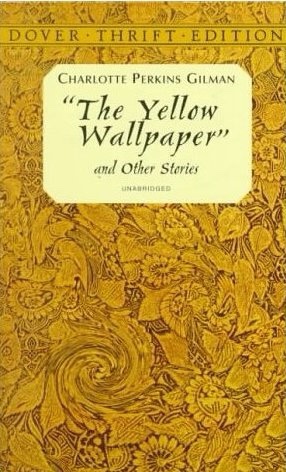
I read this longish short story in high school or early in college and understood nothing, which is a reminder, too late for my youthful self, that we really, really don’t know as much as we think we do when we are nineteen.
Laughably, I couldn’t see how it was a feminist document and in my young male-ness, was fairly dismissive of it. And while I had read Lovecraft, I wasn’t familiar with the heritage of weird fiction that undergird his works and which also was part of Gilman’s heritage (Hoffmann, Gautier, Bierce, I would include).

Now it is all obvious. As is the combined horror of suffocating paternalism and… the occult? I don’t know. What did John see that made him faint when he finally entered the room?

Slouching Towards Bethlehem


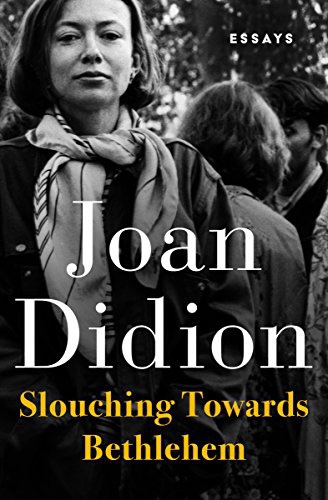
Can you believe I hadn’t read this before? In fact, I’m not sure I’d read any Didion before. I feel like I must have read a piece somewhere, in some publication, but I can’t prove it.

Certainly, while her novelistic style is known to me, it is very different from the more arch, patrician (patriarchal?) style of my favored essayists, who are more in a direct line of succession to nineteenth century essayists than to the experimental atmosphere of the fifties and sixties.

The title piece is the exemplar if the style she uses. Nearly stream of consciousness in effect and both dreamy and terrifying. Perhaps, though, only terrifying to a middle aged father.

I admire but did not love most of this (except for a piece on Joan Baez funding this weird school; loved that) collection and, if I’m honest, may not go on to read much Joan Didion in the future.

Krondor The Betrayal


Krondor the Betrayal doesn’t have a colon, despite obviously needing one. It is very much like the other Raymond Feist I have read, only even more in debt to Dungeons & Dragons rules and tropes.

Fast moving. Better at the beginning than the end. Nothing special.