Vermeer And The Masters Of Genre Painting (At The National Gallery Of Art)


I have never been a tremendous Vermeer fan; I appreciate him, but do not love him nor seek him out. Overall, I was as enthralled by his featured contemporaries as I was by the master himself.

But I was deeply struck by a tiny aspect of a Vermeer. Woman with a Lute featured metal studs securing the leather covering a chair that ‘popped’ so dramatically that I had to stop, because in that first moment, I would have sworn they were three dimensional. I looked for some kind of painterly trick, but there was none. And it’s not like the studs were (to my amateur eye, at least) something of thematic or compositional importance. They were (presumably) a representation of the same plain (brass, I would guess) studs on the chair that was the model for this chair. But, wow.
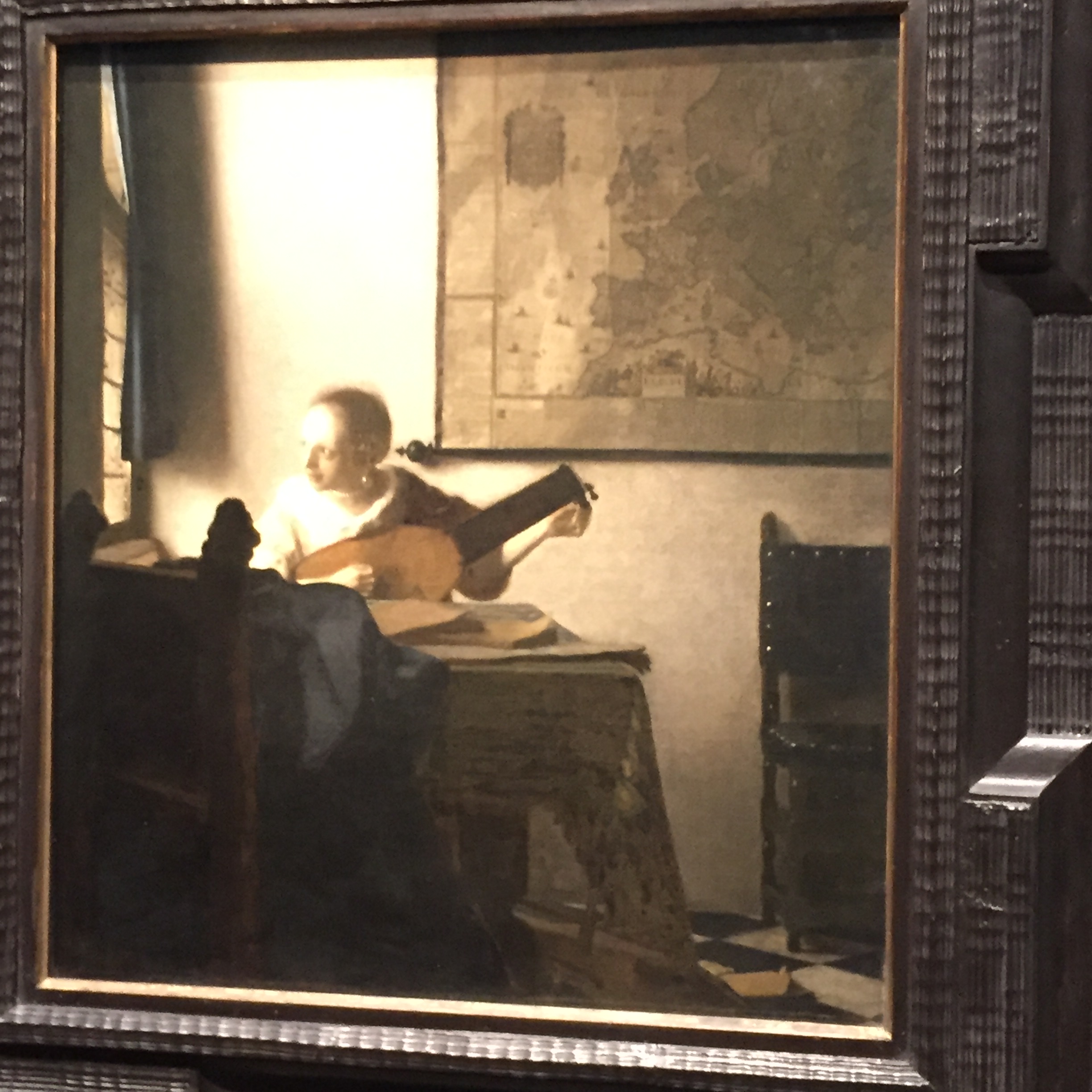
Woman with a Lute

I saw a similar effect in the gold decorations on the sleeve of a woman in another Vermeer, Young Woman Seated at a Virginal.

But I can’t help but feel like that, if I were given sixty seconds to grab one from off the wall and make a run for it, I would not go for Vermeer (assuming we are thinking about keeping the painting and now trying to pawn it; in which case, Vermeer would have more value). His moralizing feels too stern and off putting, like a white evangelical church in Appalachian hill country that forbids dancing.

The exhibition (as the curators note) is heavy on images of women. It might almost be called feminist. So it felt a little sad that my favorite painting is actually one that features no women at all. But I have always been drawn to representations of writing and books and maybe I am looking for myself in these.
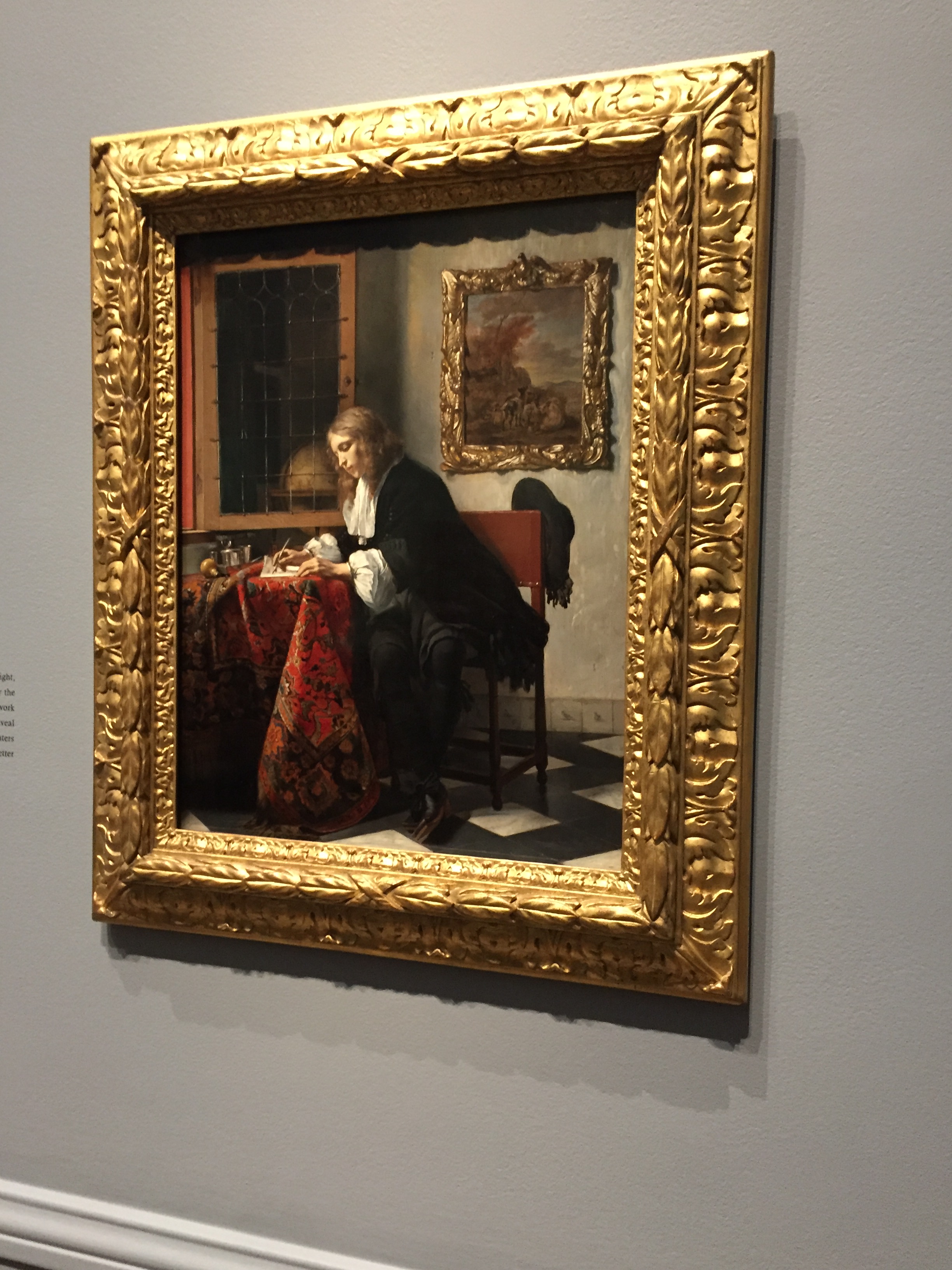
Man Writing a Letter, by Gabriel Metsu

The Grand Re-Opening Of The Freer/Sackler Galleries; Or ‘Illuminasia’


The Smithsonian Museum of Asian Art, also know as the Freer/Sackler, is one of my favorite museums. Not only is it directly by the Smithsonian metro station, but it is less crowded than many other museums on the National Mall and has some of the best spots for quiet contemplation you are likely to find.

After almost two years closed for renovations, the galleries are finally open. The grand celebration was called Illuminasia. Lots of cool stuff for the kids and some lovely music and some frustratingly long lines for food (the bao was excellent, but not worth the thirty minute wait).

There’s a nice exhibit on cats in ancient Egypt and a genuinely inspiring exhibit called ‘Encountering the Buddha’ that I can’t wait to see again.

Error
This video doesn’t exist
]

What To Do With Periodicals


I also get Foreign Affairs and the weekend Washington Post.

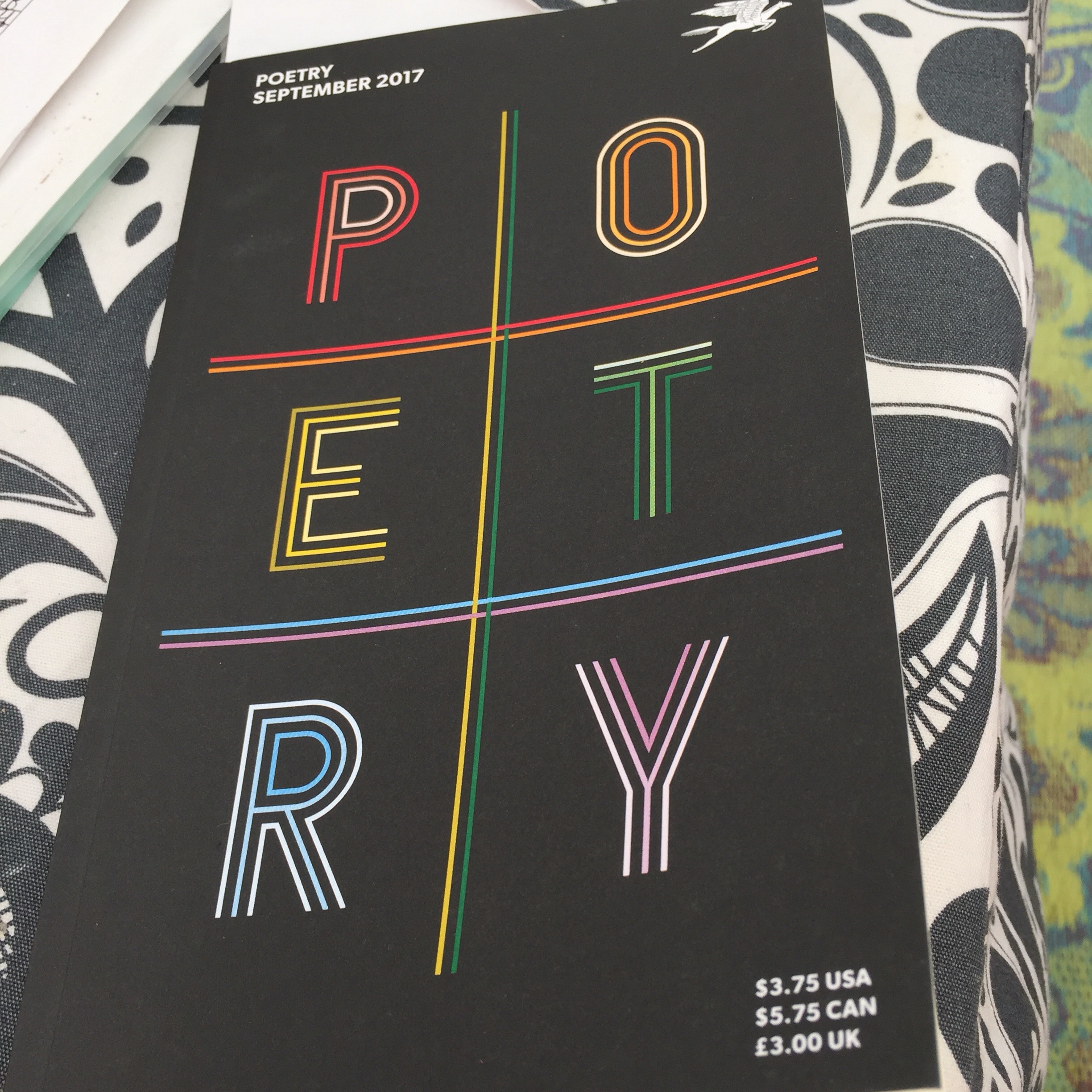
Leaving the WaPo aside for the moment, I often don’t feel sure what to do with my other periodicals after I’ve read them. They all have wonderful staying power. Who would object to going back and reading some of the great articles published in the New York Review of Books down the road? But, conversely, who does want to risk being that person whose home is stacked with piles of  moldering newspapers, becoming the subject of a sad human interest story after the fire department has to bust down the door once your sad, lonely, and malodorous corpse becomes decayed enough to alert the neighbors?

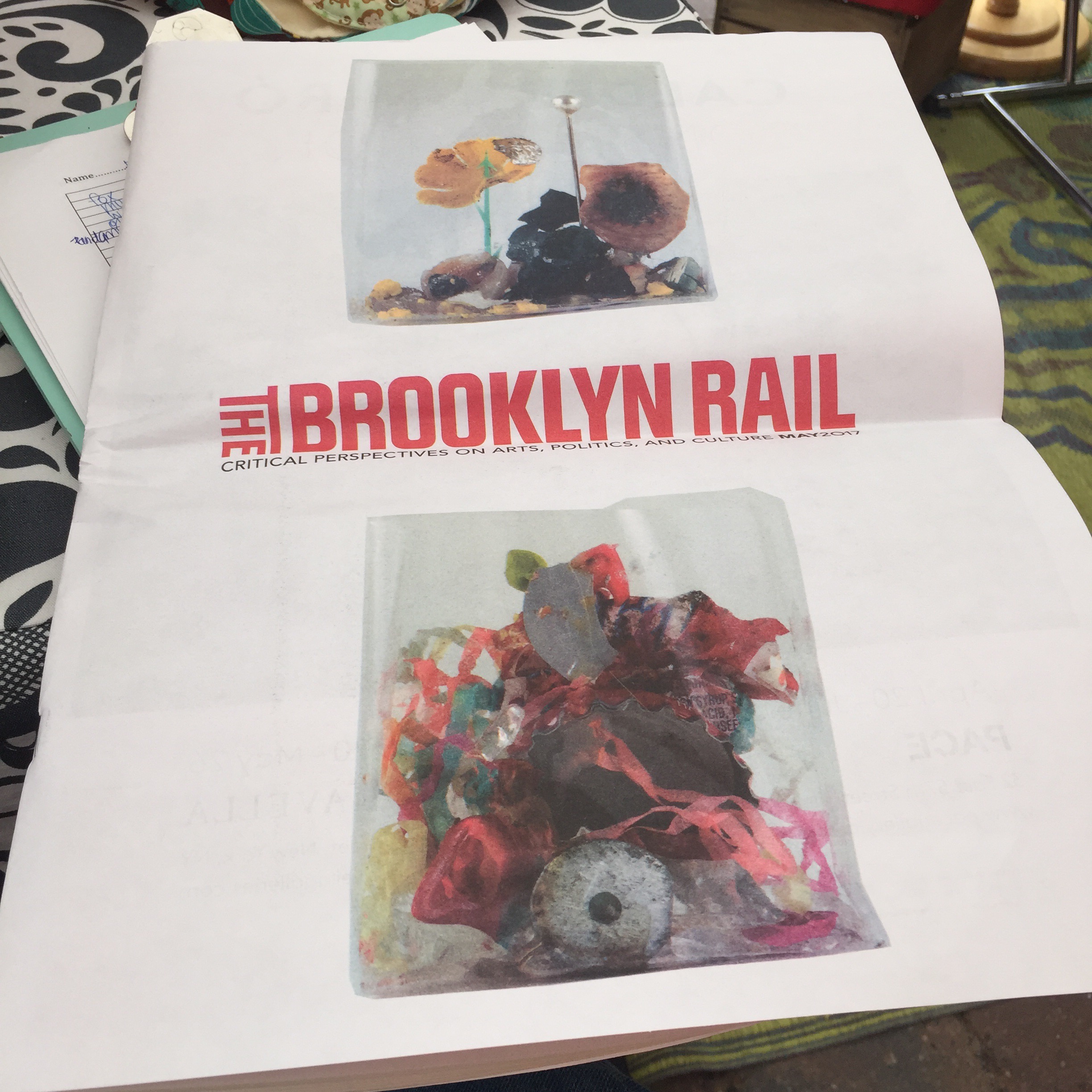
I have kept the Poetry issues because they are small and fit easily on bookshelves. Sadly, I have decided that Brooklyn Rail, for example, is more likely to become a testament to my own cluttered nature than a source of continued enlightenment through the years. So I toss them in the recycling.

Mentally Stuck In The Library


civic-center-library-01The Scottsdale, Arizona library has a justly famous sculpture outside. My mother’s most vivid memories of me in Arizona are of me climbing on the pieces that make it up (it was allowed, I gather; and by the way, I am not talking about the ‘LOVE’ sculpture because that wasn’t there during my early childhood days in the southwest).

My most prominent memory of that library is actually of what felt like a terrible failure.

Read more

Evenings @ The Hirshhorn


It’s date night at the museum.

Read more

The Kreeger Museum


The Kreeger Museum

I first read about the Kreeger in an article about dubious private museums. Two DC area institutions were mentioned: the Kreeger Museum in DC proper and the Glenstone Museum in Potomac, Maryland (which, if you only from the Real Housewives of  Potomac, you will not realize is actually rich, white, and equestrian). The dubiousness came from the possibility that the museums mainly existed as vehicles for tax mitigation.

Naturally, I had to visit them. Eventually.

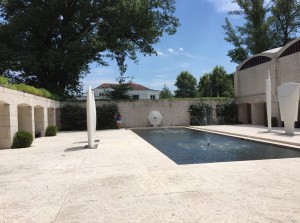
Several years after reading the article, we finally made it to the Kreeger, in the Palisades neighborhood of DC. A low slung building of elegant, off white stone, the museum itself was designed by my favorite architect, Philip Johnson. It rather resembles a building wide expansion of the wing he designed for another DC museum, Dumbarton Oaks, to hold its Pre-Columbian collection.

The Kreeger, despite some excellent Southeast Asian sculptures, is primarily about pre-WWII European art. But darn, if it doesn’t have some great pieces.

Seven or eight Picassos. One from the sixties, but the rest from his early days through his peak in the thirties. Seven or eight Monets (a mixture of Giverny landscapes and marine paintings). Two Van Goghs. A Chagall. Two Gorkys. Some excellent, small Rodins. A couple of Miros. A Kandinsky. A Pissaro. There were even two very early Mondrians, which were deeply confusing because they were fairly straightforward, representationalist pieces.

All of them, really excellent.

The outside of building, once you got beyond a terrace filled with at least one Jean Arp and other pieces that looked relatively contemporary to him (they were poorly identified, if I have a criticism of the museum), with the rest of the grounds scattered with contemporary pieces.

It’s shameless, rich man exceptionalism at its worst. But well worth seeing.

The nearest one is called “Quill” and is part of a whole courtyard devoted to DC artist, John Dreyfuss
Monet, of course
Monet

Rather creepy, but cool
What a great Picasso, right?
Rainer Lagemann’s “Sean, Sara, Jess”
A Kandinsky, believe it or not, partly done with sand!

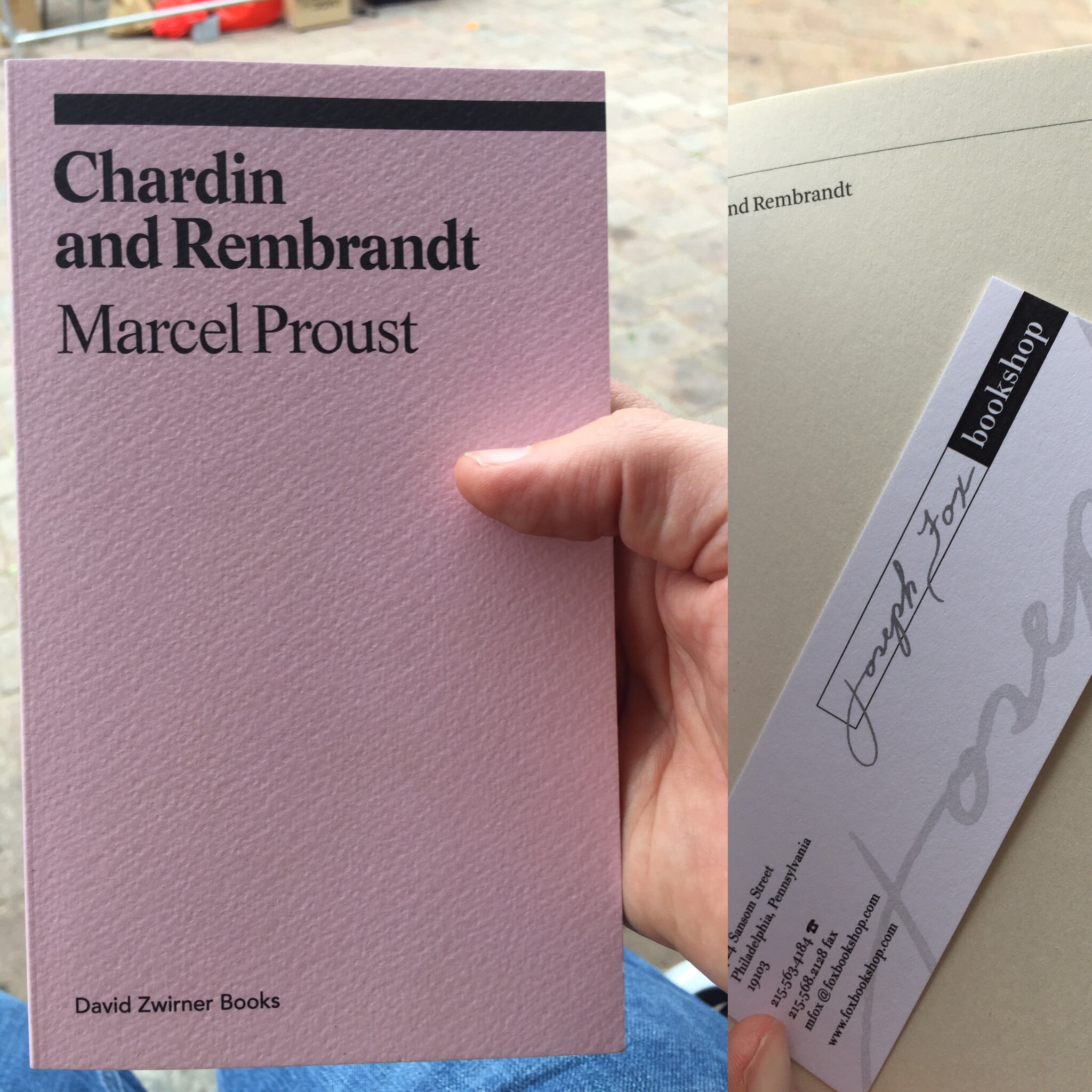
‘Chardin And Rembrandt’ By Marcel Proust


It was pretty exciting when this was published in English. It’s a little padded, to make it the length of a long chapbook, but that’s okay.

Chardin and Rembrandt opens with a description of a young man (clearly upper middle class, at least), looking around the dining room table and is disgusted. The half eaten food. The meats laying out. The ash strewn fireplace. In retrospect, it reminds me of the reactions of the narrator of Sartre’s Le Nausee.

But then he says to go to the Louvre and check out the still life paintings of Jean-Baptiste-Siméon Chardin. By doing so, you will see the sublime in the quotidien. You don’t have to be a scholar nor even to have read Proust’s masterpiece to see the comparison to the episode of the madeleine or, really to the whole damn book to know that.

As for Rembrandt… he starts to write about Rembrandt representing something more traditionally sublime, but then he trails off. Literally. It ends with “…”

This is not a mature book, by any means. Proust is famous for his long sentences, but he also has a certain economy. This is more… florid. A younger man’s essay.

Why Is The Entire Staff Of ‘Brooklyn Rail’ Leaving?


Staff and Board Members Leave Brooklyn Rail En Masse‘ read the headline from Hyperallergic, an arts blog that I regularly read.

It caught my eye because I subscribe to Brooklyn Rail. It was happenstance (I got it concurrent with a subscription to Poetry; I’m always on the look out for deals on periodical subscriptions) that I did, but I enjoy reading it. It’s rather like reading The New Yorker when you don’t live in New York. There’s a lot to get from it, regardless of personal geography, but at it’s heart, it is a regional publication (even more true of Brooklyn Rail than its glossier cousin).

The Hyperallergic article doesn’t give any insight into why everyone is leaving (because no one involved will say), but it feels sad. Journalists are already such a precarious damn place. Arts journalists, more so. Does your local paper have a full time arts reporter? Or book reviewer? Much less an arts editor? Probably not.

For this revolt of thine methinks is like/Another fall of man.
– Henry V by William Shakespeare


The Rodin Museum & Joseph Fox Bookshop


We went to Philadelphia for a two day work thing that had the first day unexpectedly cancelled, so we found ourselves with an unexpected free day in Philly.

Living in DC spoils an art lover. Most of the city’s best museums (which are some of the finest in the world, I would argue) are free. You get used to not paying for access to great art. Which does bring up some interesting issues: by making it seem like creative works should be free, are we devaluing the labor of artists (as has already happened online, particularly with writing and journalism); or are we making the arts more available to underserved communities? Just to put my own thoughts into this, I would point to the model of the Detroit Institute of Arts Museum, which is free to residents of the county wherein it resides (Wayne County, if you’re interested). While that wouldn’t apply to museums like the National Gallery of Art nor the Smithsonian, since they are treasures for the entire country, that doesn’t mean we shouldn’t be thinking about various models.

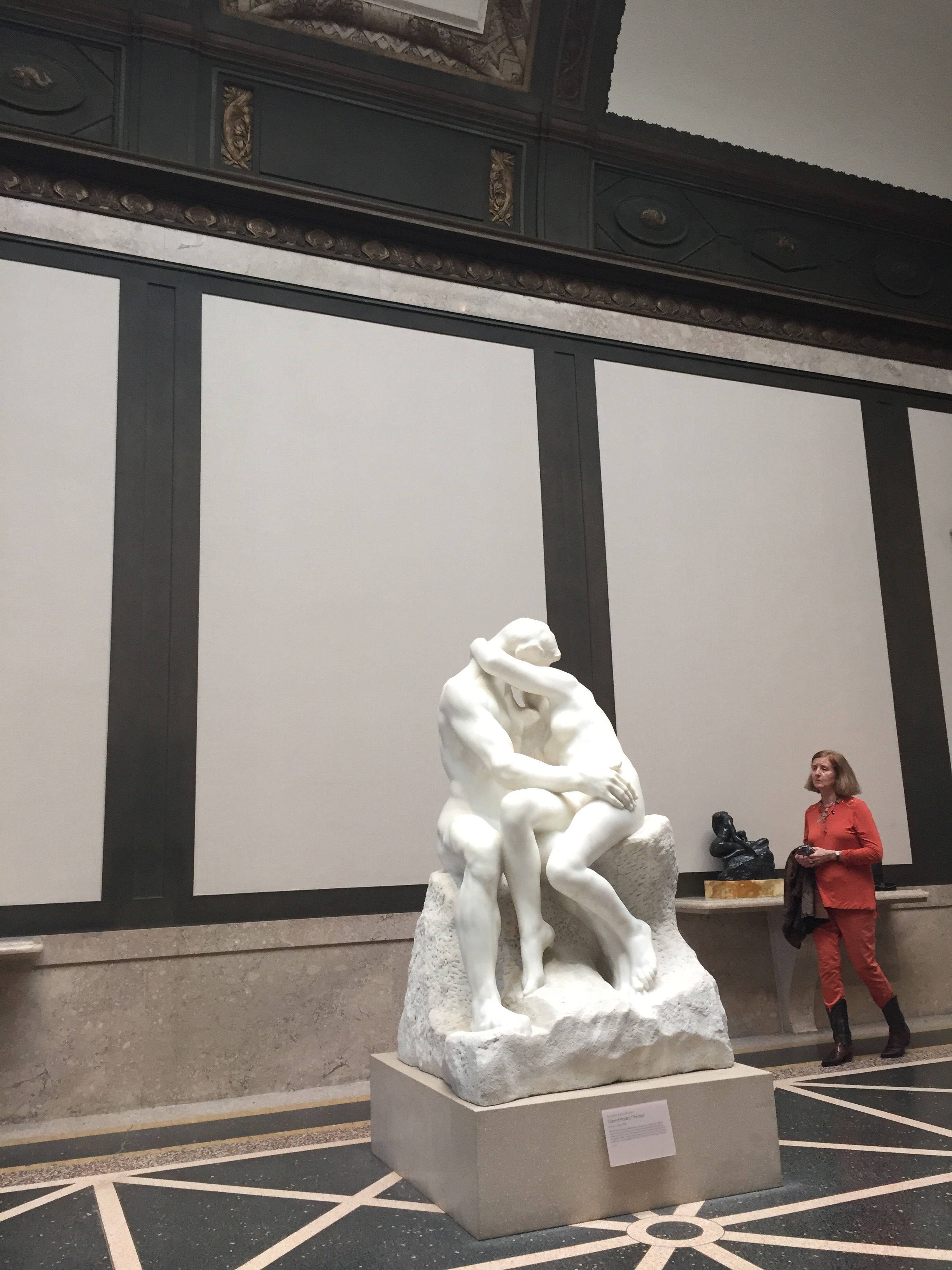
But my point was that it has made me cheap and I couldn’t help but notice that the Rodin Museum had only a ten dollar suggested donation (per adult), whereas most other museums were charging twenty. Also, a large selection of Rodins was not something I could readily see in DC, whereas a large selection of (for example) Impressionists is something I can see back home.

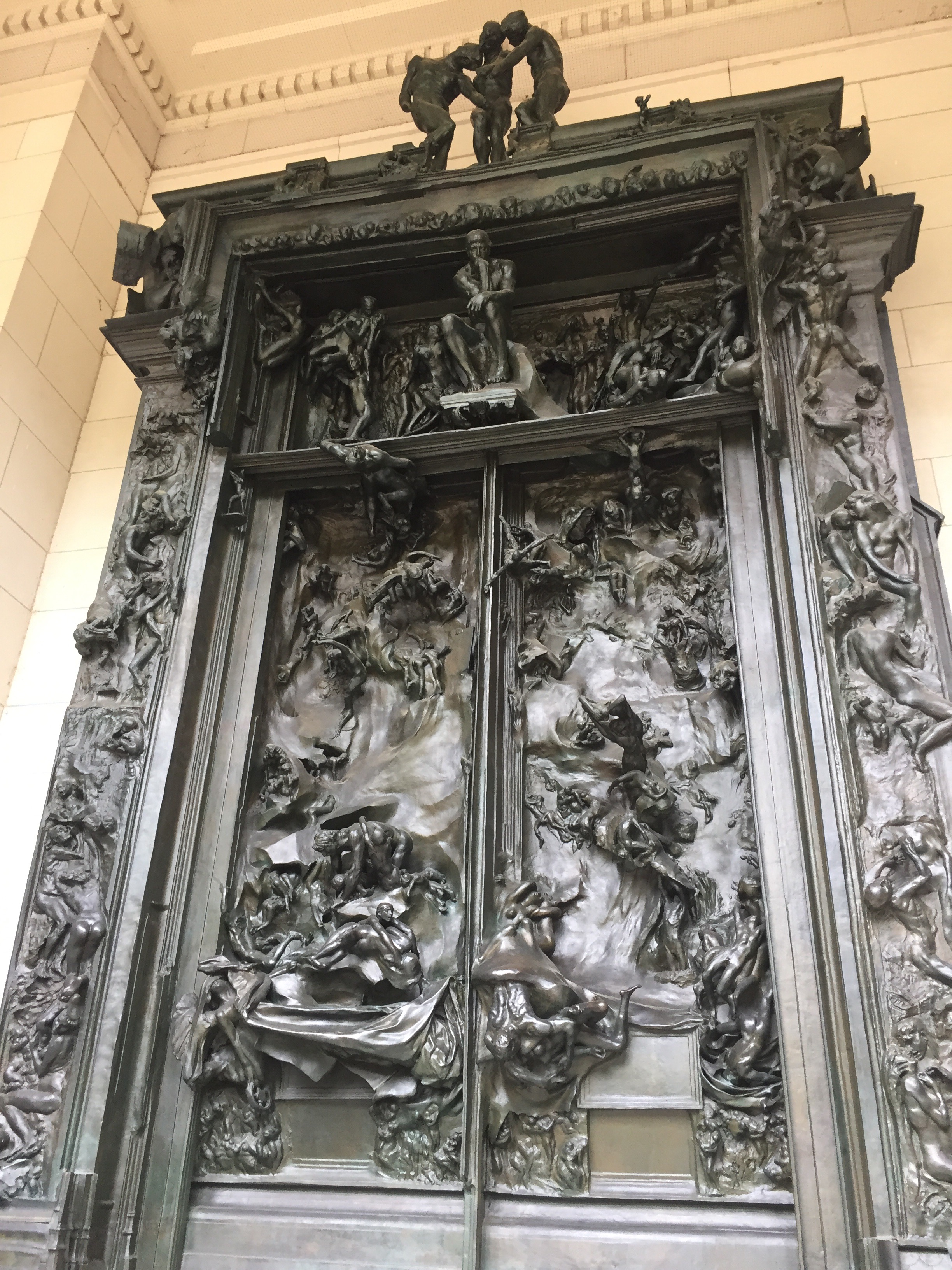
It’s not a large museum, but it’s in  classy, Art Noveau looking building and filled with interesting pieces and has a beautiful garden with some larger pieces – though it was raining cats and dogs all day long, so we weren’t in the best form to appreciate, for example, a large bronze of the Gates of Hell.

A little later, we trod through the rain to the Joseph Fox Bookshop. I knew nothing about it, except that the Yelp reviews sounded promising.

It’s a very small bookstore, but it makes up for that by being exceptionally well-curated and giving a lot of space to smaller presses to publish (drum roll, please)… good books.

For example, the NYRB and Pushkin Press were amazingly well-represented (those are two presses that you can buy almost any book they publish and be confident that it will be awesome).

Naturally, I bought something. In my case, a recently re-published in book form long essay by Marcel Proust: Chardin and Rembrandt.


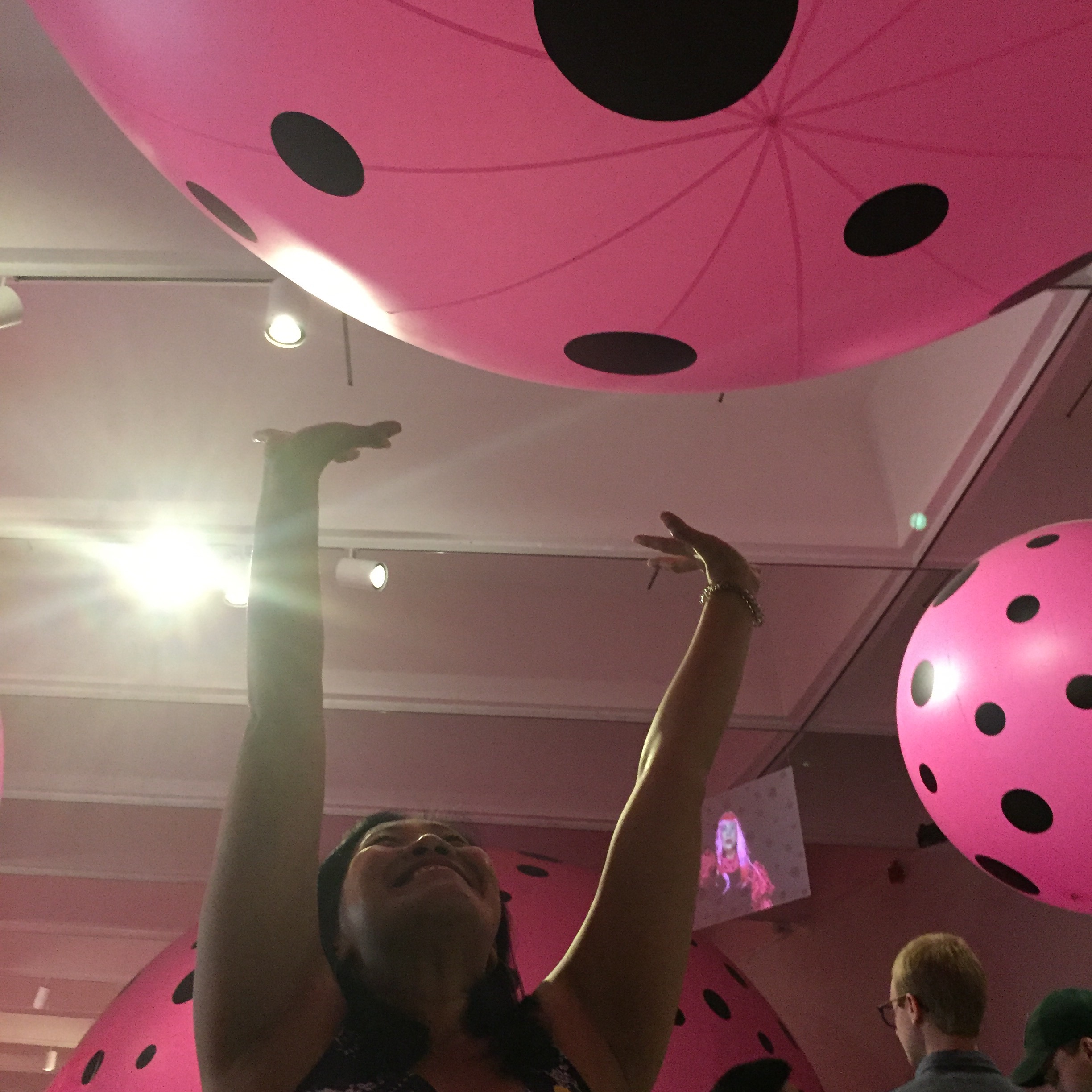
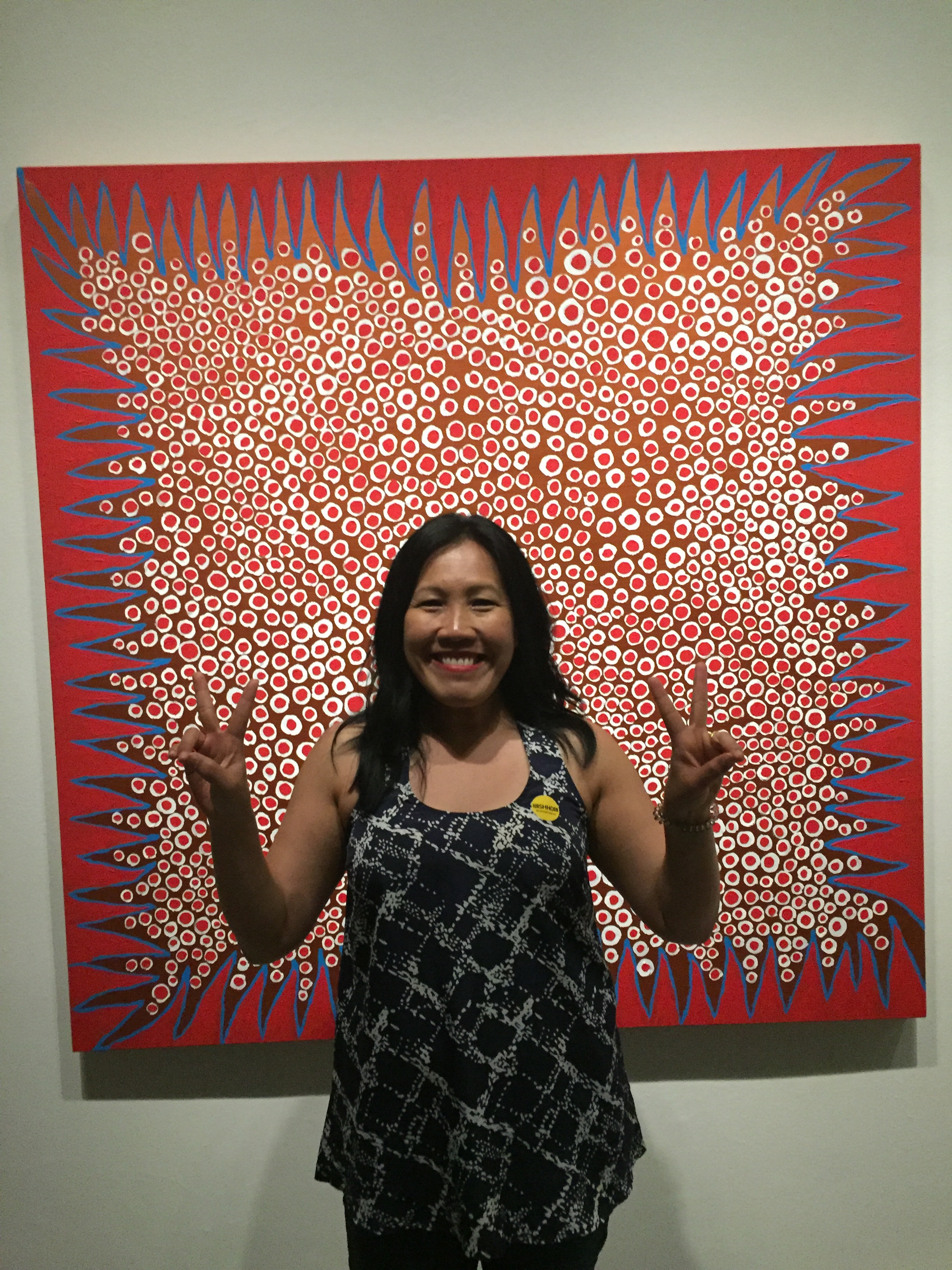
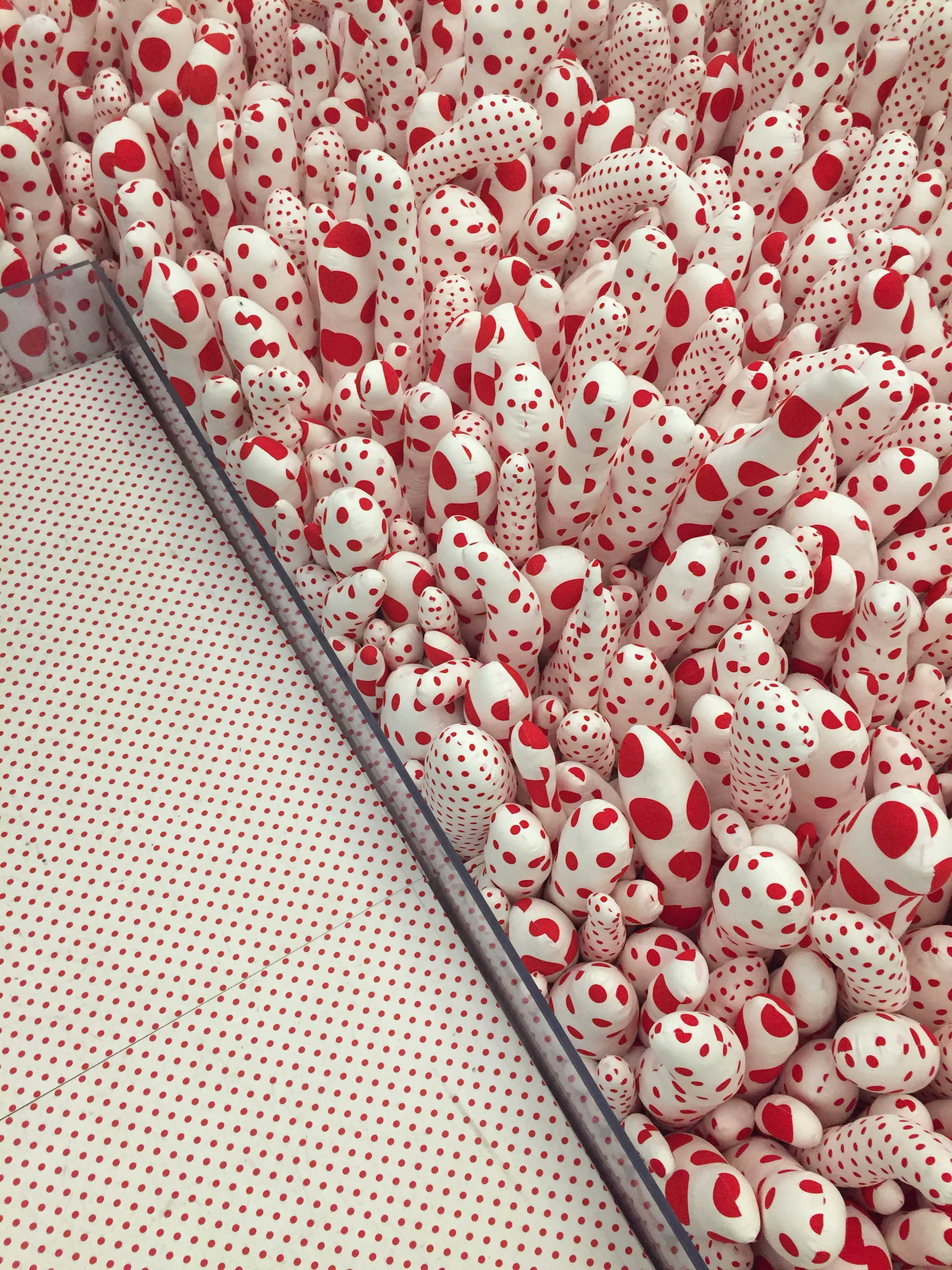
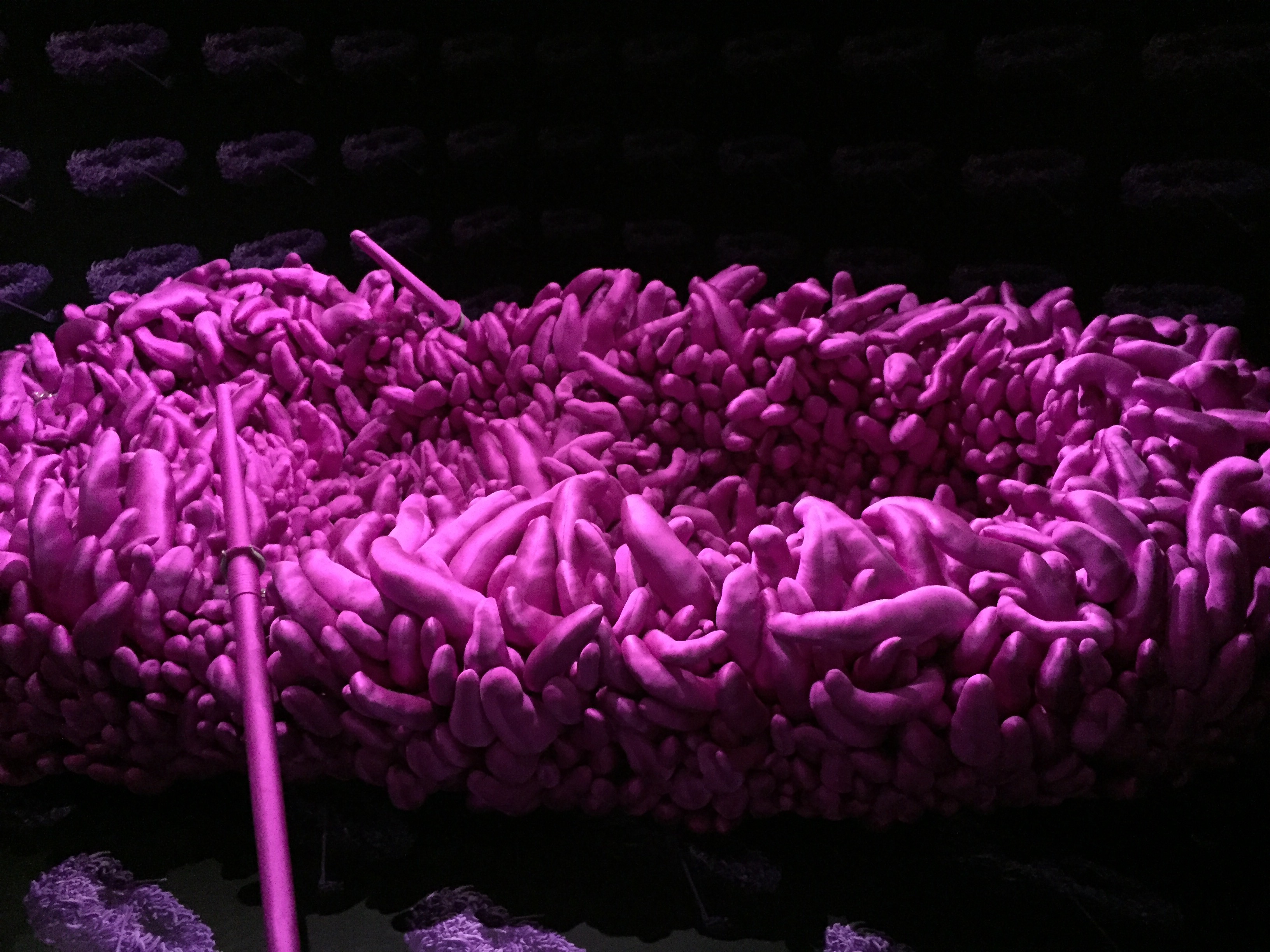
Yayoi Kosuma


​​

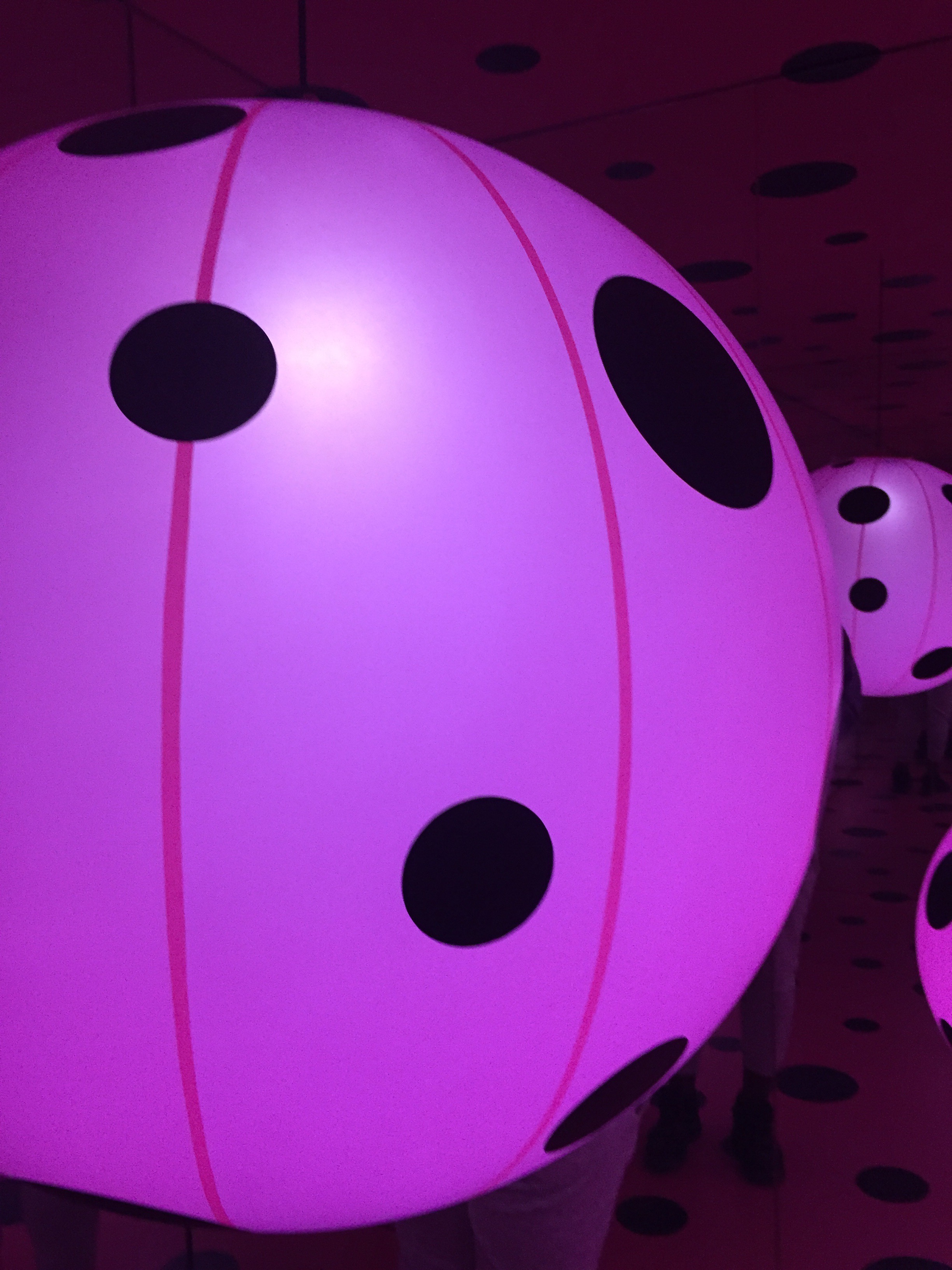
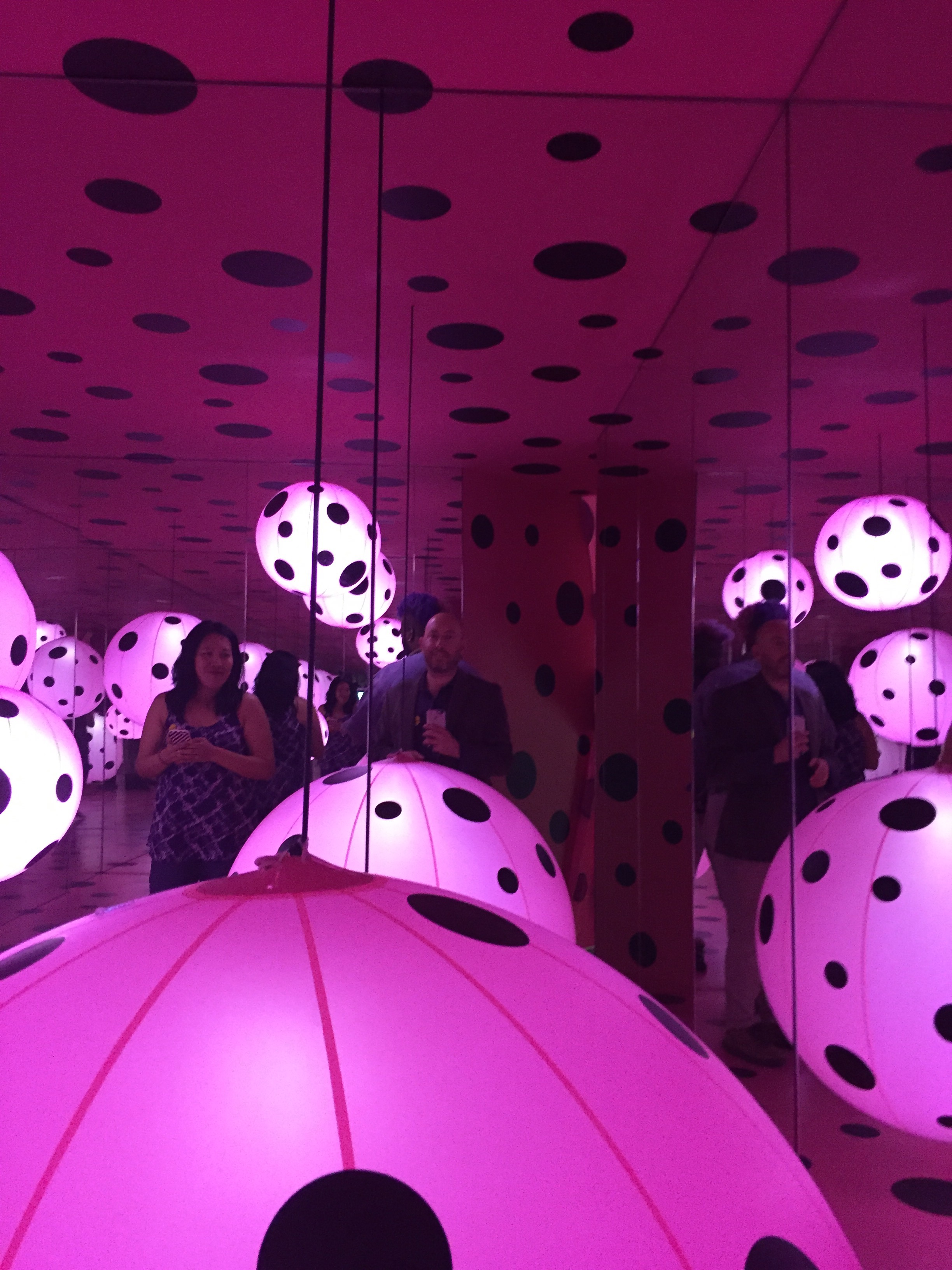
There were five rooms (or five self-contained installations, if you prefer) and we only got to visit three before being escorted out (the museum was closing; we weren’t misbehaving, though there was some temptation, on account of our understandable frustration at the long lines preventing us from seeing them all).

The documentation around it, filling up the spaces, was filled with absences. There was the tiny, pink haired octagenarian that Kosuma is now and the provacatrix of 1960s ‘happenings’ and various forms of installation and performance art, but nothing in between those two periods.

While almost certainly not the curators’ intentions, it makes a bit of conceptual sense. Rather than infinity, I saw smallness and absence. Mirrors hiding cramped spaces. It was a joyful exhibit, no doubt – don’t get me wrong. But I didn’t see infinity.