Most philosophy of ethics views intentionality as key. Was the mental intention good or bad?
I have been thinking about this in the context of recent presidents. Trump almost certainly did not mean to give Israeli intelligence to Hezbollah (though it’s questionable how much of a pass he gets for his apparent intention being ‘show off to Russian officials in order to bolster self-esteem and impress Vladimir Putin’).
But I actually am thinking more about this in the context of George ‘Dubya’ Bush. One can feel almost nostalgic for Dubya while in the thrall of dangerous insecure man-child. At worst, one thinks, he was merely a well-meaning idiot. And didn’t he direct a lot of money towards fighting the spread HIV internationally?
It’s easy to forget all the terrible, ethical lapses of his presidency; of a war driven by Freudian conflicts vis-a-vis, his father.
But even if we accept the premise that he was well-meaning, at what point does intention not matter? Even if he did not intend so many deaths, so many maimings, so much destruction, so much lost, at what point does the water of consequences burst the dam of intention? When is ‘I meant well’ (truly stated) not enough to stave off sin?
I finished the Memory, Sorry and Thorntrilogy (which, apparently, will have a follow up trilogy, with the first book coming out this summer).
There was, I’m afraid, a definite decline in the series. The first book did not reinvent the wheel but was, nonetheless, a reasonably creative take on the high fantasy tropes. The hero was a youth, but he never did turn out to be some destined hero of prophecy (or great wizard or even better than a decent warrior). The first book also took its time. Really took its time. Which was just fine.
As the series went on, the author started doing the George R.R. Martin multiple perspective thing and it didn’t work for me.
Also, the ending feels rushed and sort of implies that everything every character ever did was kind of pointless. And I’m also not entirely sure how the good guys won.
We went to Philadelphia for a two day work thing that had the first day unexpectedly cancelled, so we found ourselves with an unexpected free day in Philly.
Living in DC spoils an art lover. Most of the city’s best museums (which are some of the finest in the world, I would argue) are free. You get used to not paying for access to great art. Which does bring up some interesting issues: by making it seem like creative works should be free, are we devaluing the labor of artists (as has already happened online, particularly with writing and journalism); or are we making the arts more available to underserved communities? Just to put my own thoughts into this, I would point to the model of the Detroit Institute of Arts Museum, which is free to residents of the county wherein it resides (Wayne County, if you’re interested). While that wouldn’t apply to museums like the National Gallery of Art nor the Smithsonian, since they are treasures for the entire country, that doesn’t mean we shouldn’t be thinking about various models.
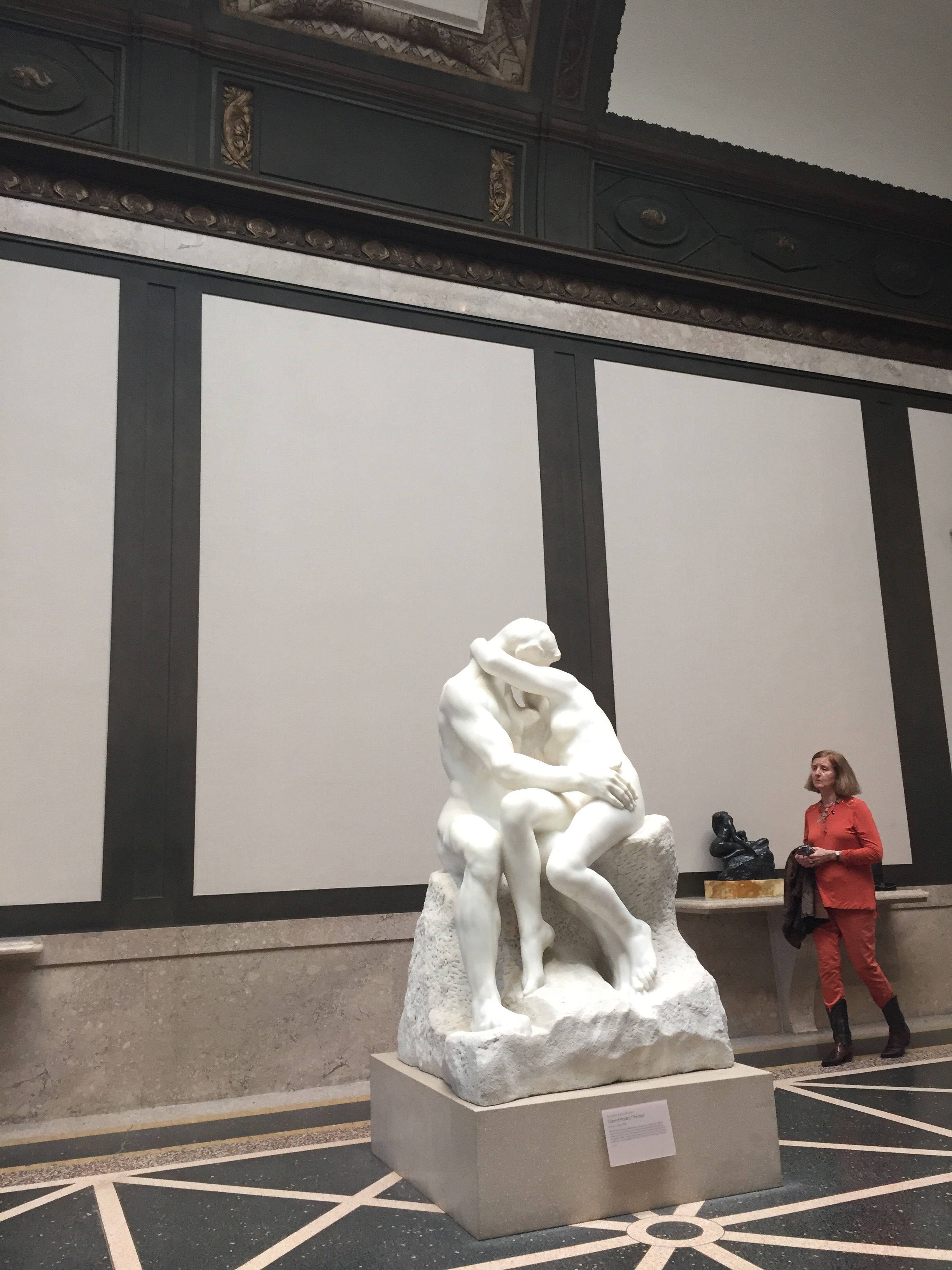
But my point was that it has made me cheap and I couldn’t help but notice that the Rodin Museum had only a ten dollar suggested donation (per adult), whereas most other museums were charging twenty. Also, a large selection of Rodins was not something I could readily see in DC, whereas a large selection of (for example) Impressionists is something I can see back home.
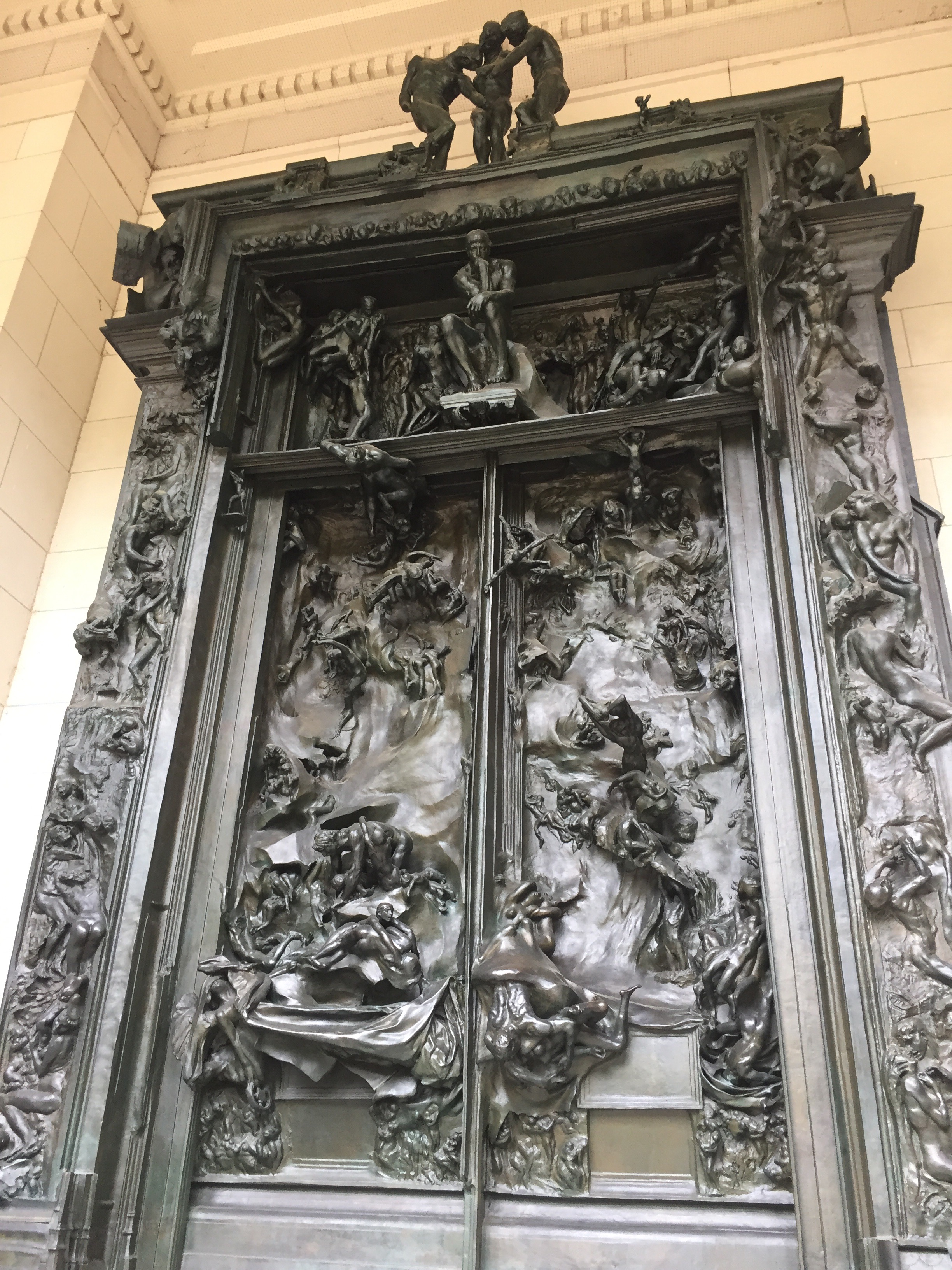
It’s not a large museum, but it’s in classy, Art Noveau looking building and filled with interesting pieces and has a beautiful garden with some larger pieces – though it was raining cats and dogs all day long, so we weren’t in the best form to appreciate, for example, a large bronze of the Gates of Hell.
A little later, we trod through the rain to the Joseph Fox Bookshop. I knew nothing about it, except that the Yelp reviews sounded promising.
It’s a very small bookstore, but it makes up for that by being exceptionally well-curated and giving a lot of space to smaller presses to publish (drum roll, please)… good books.
For example, the NYRB and Pushkin Press were amazingly well-represented (those are two presses that you can buy almost any book they publish and be confident that it will be awesome).
Naturally, I bought something. In my case, a recently re-published in book form long essay by Marcel Proust: Chardin and Rembrandt.
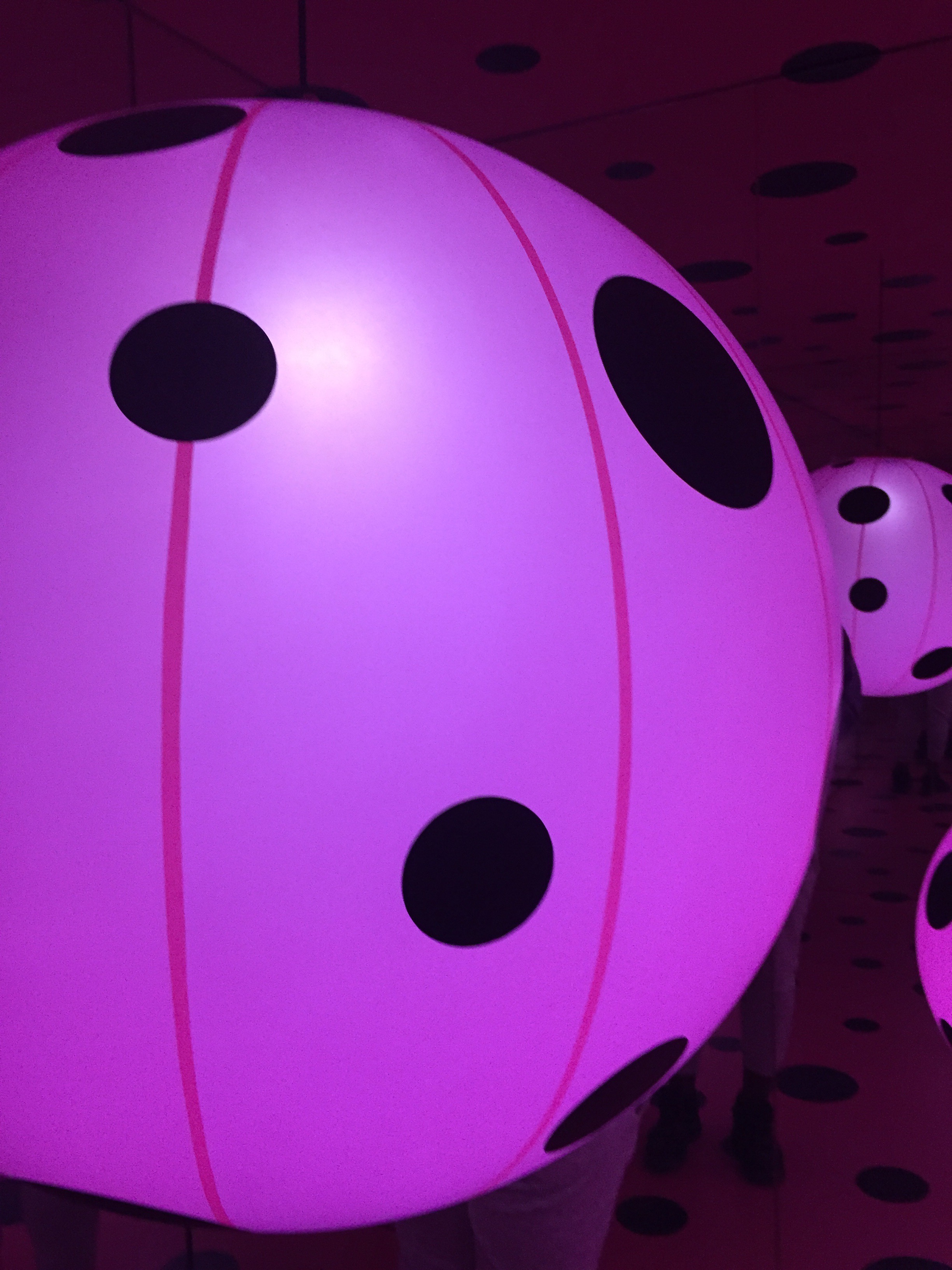
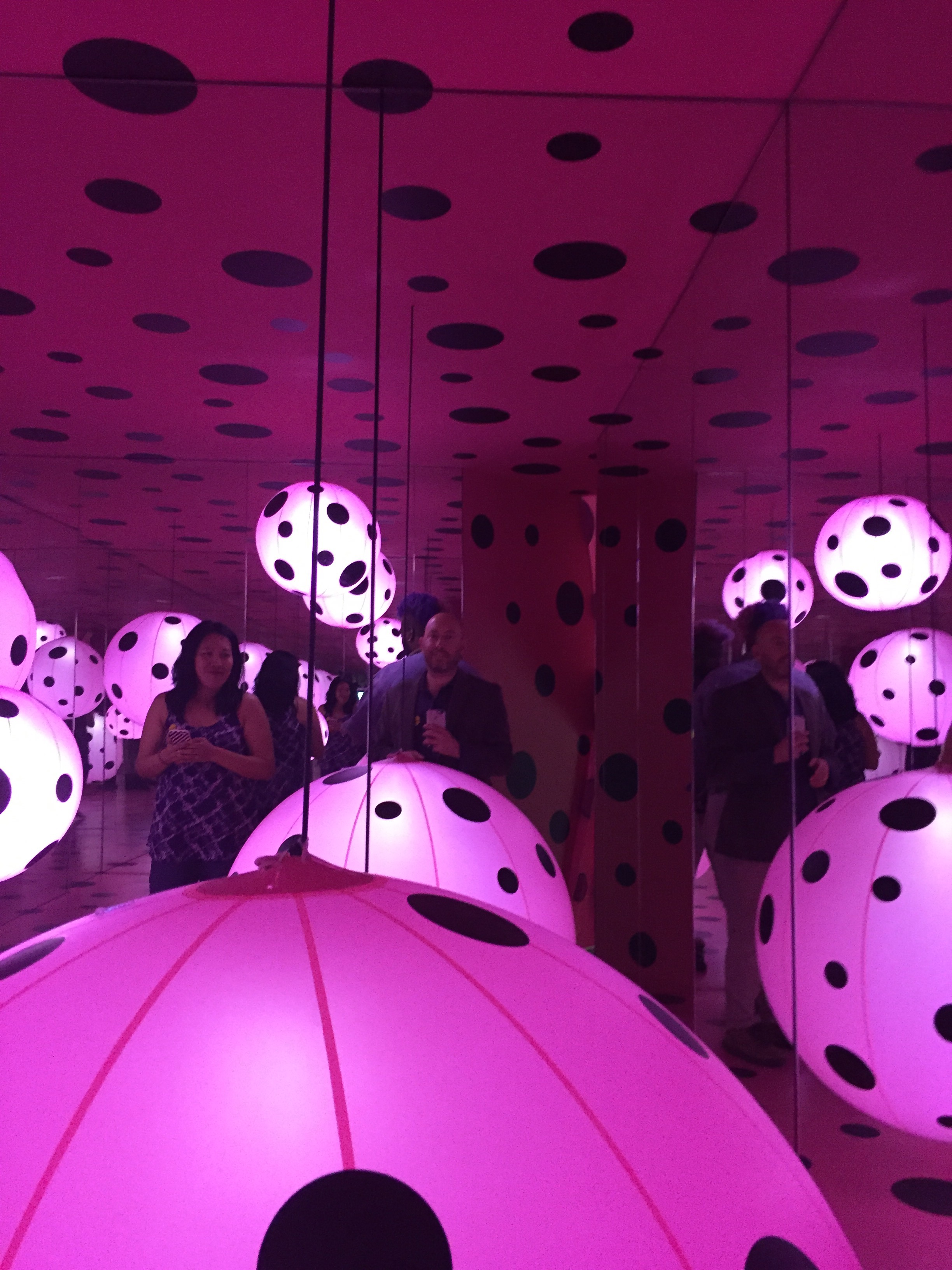
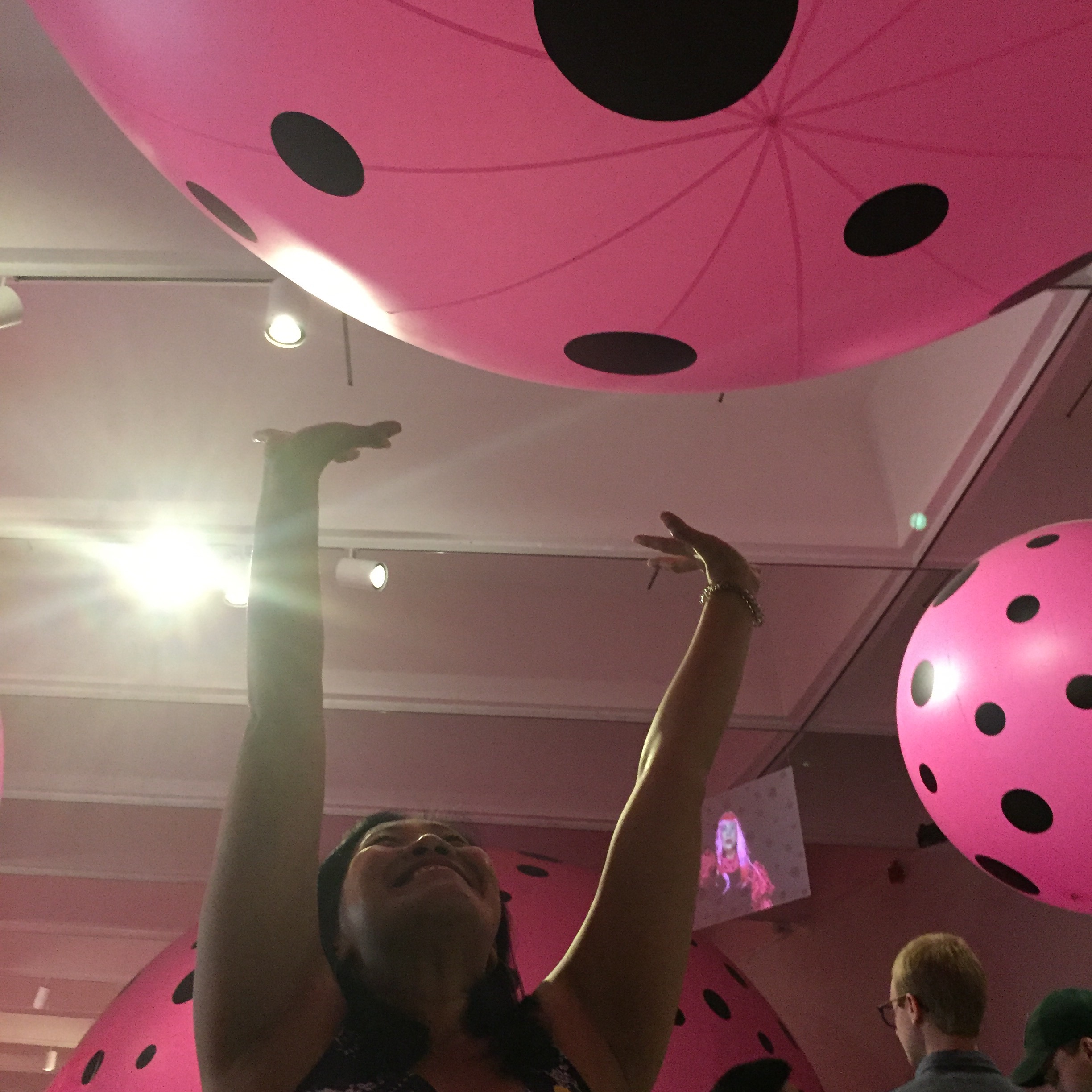
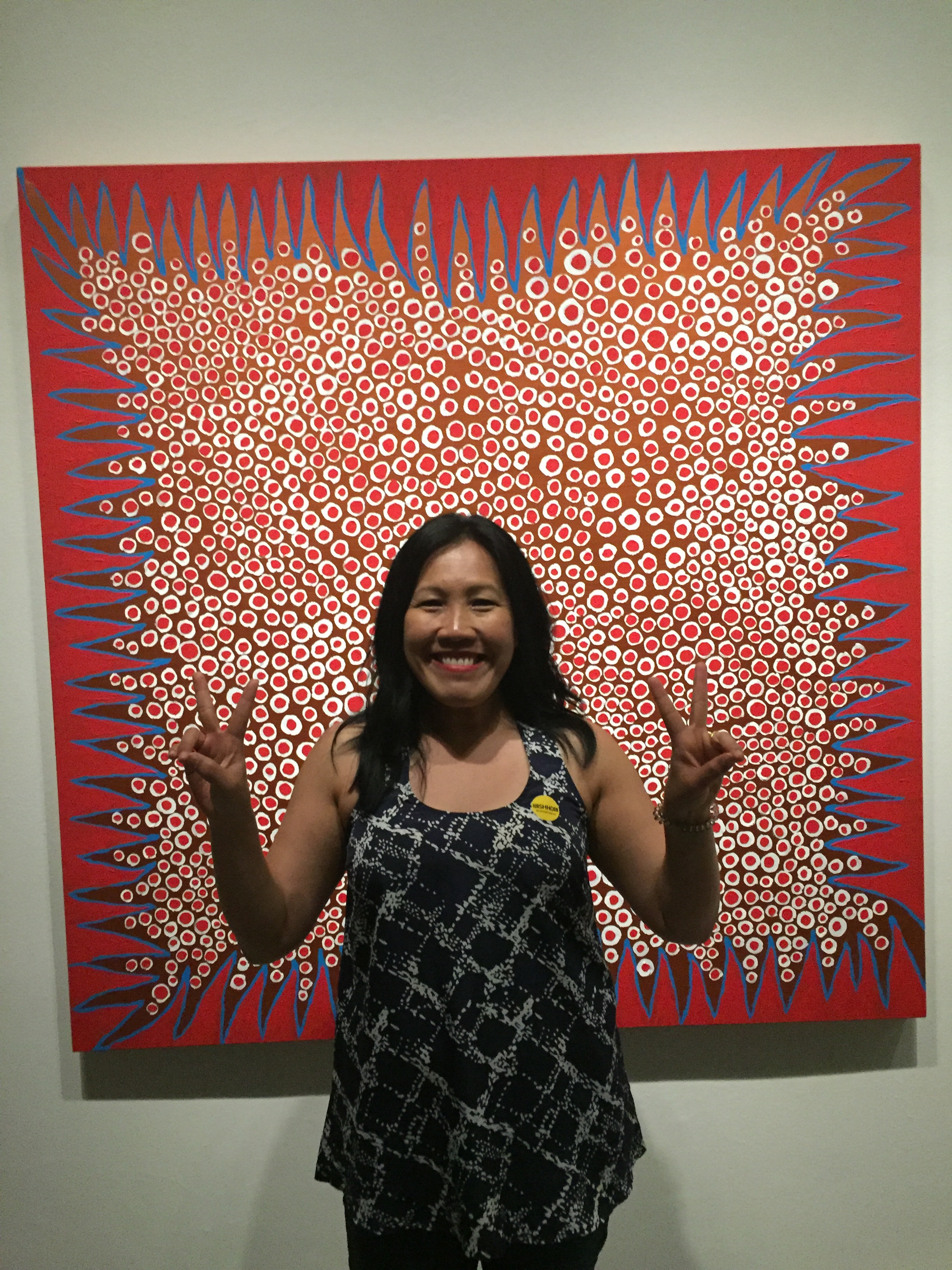
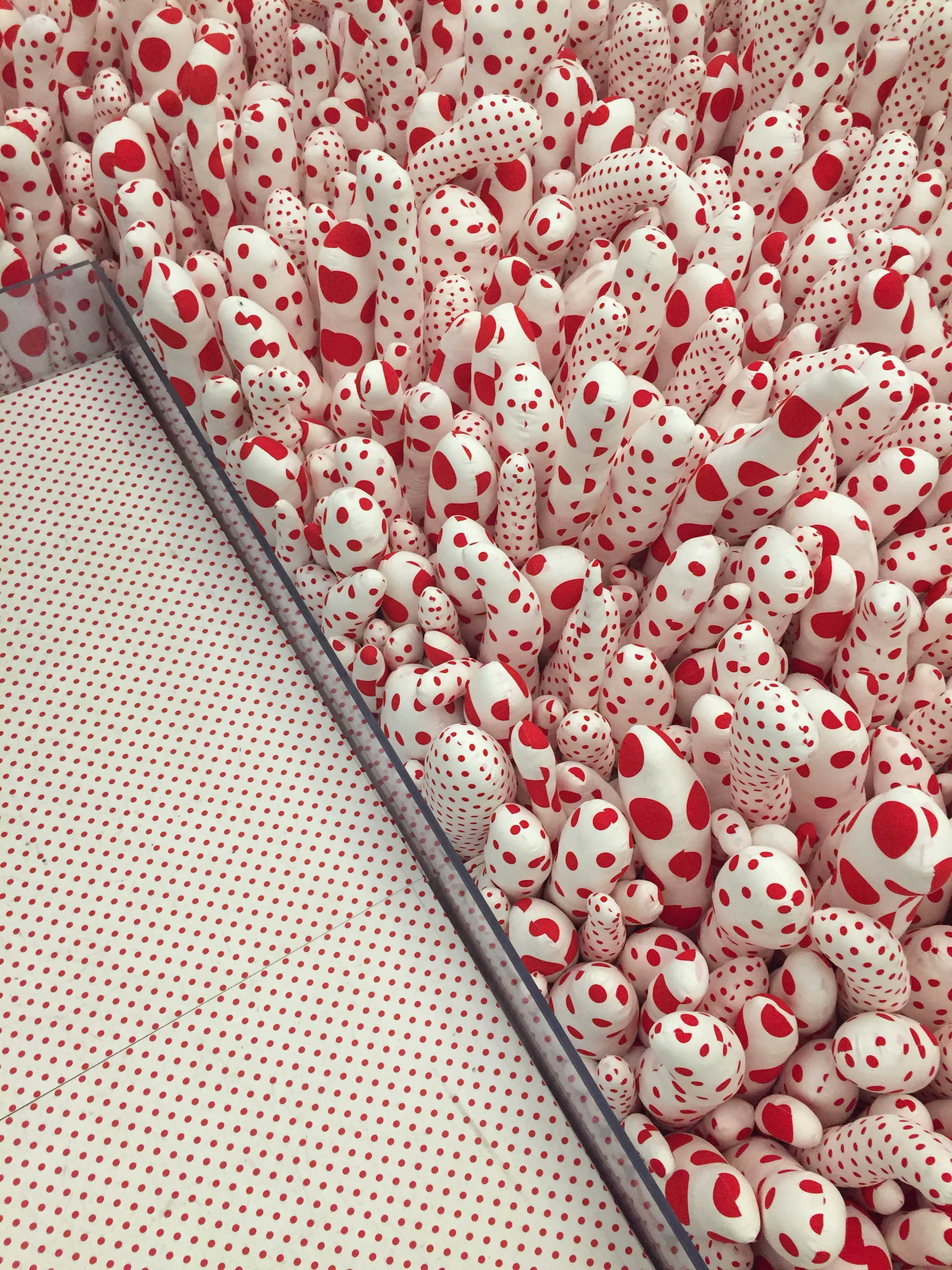
There were five rooms (or five self-contained installations, if you prefer) and we only got to visit three before being escorted out (the museum was closing; we weren’t misbehaving, though there was some temptation, on account of our understandable frustration at the long lines preventing us from seeing them all).
The documentation around it, filling up the spaces, was filled with absences. There was the tiny, pink haired octagenarian that Kosuma is now and the provacatrix of 1960s ‘happenings’ and various forms of installation and performance art, but nothing in between those two periods.
While almost certainly not the curators’ intentions, it makes a bit of conceptual sense. Rather than infinity, I saw smallness and absence. Mirrors hiding cramped spaces. It was a joyful exhibit, no doubt – don’t get me wrong. But I didn’t see infinity.
To get one thing out of the way: by Shakespearean standards, Timon of Athens is not a particularly good play. That isn’t to say that it isn’t still better than almost everything else, but the narrative veers too swiftly and character traits which appear can feel underdeveloped (unearned might be a better way to put it; characters don’t earn their actions through earlier characterization).
One ‘solution’ taken by the director, artists, and casts was to create a stark, high tech set with some video screens and LED lights in the floor and ceiling and cyberpunk feel, with characters always carrying smartphones and money transferred via biometrics. The characters were very much dressed in a ‘cool’ fashion. The artist wore black and a beret; the philosopher wore a scarf and a tweed jacket.
Timon was played as a germaphobe, no doubt to sharpen the impact of his feral breakdown and feces smearing (I’ll explain later; wait, no I won’t), though I don’t think they succeeded, because I only realized what was being attempted in retrospect.
Having been reading a lot of Greek philosophy lately, and also the historical circumstances around ancient Greek philosophers, I was struck most by two characters: the philosopher Apemantus and the soldier Alcibiades.
Apemantus was a sort of Socratic gadfly, though his philosophy less resembled the Socrates of Plato and Xeonophon than a milder version of the Cynic philosophers (not cynic, as in the modern definition of ‘cynical,’ but something else; you’re on the internet, so look it up – or better yet, read a book!). In fact, Apemantus’ final appearance has him pointing out that Timon has taken on his role – and Timon has very clearly taken on the role of a true, impoverished Cynic, while Apemantus appears less afflicted (again, more like a Socrates inflected with Cynic philosophy than a true Cynic).
As for Alcibiades… there was an Alcibiades who appears in the Socratic dialogues of Plato and who was a favorite of Socrates in life. That Alcibiades was also a sort of collaborator with the Spartans after Athens lost the Peleponnesian War. This Alcibiades marches an army on Athens, partly because he was disgusted with the disrespect with which Timon had been treated.
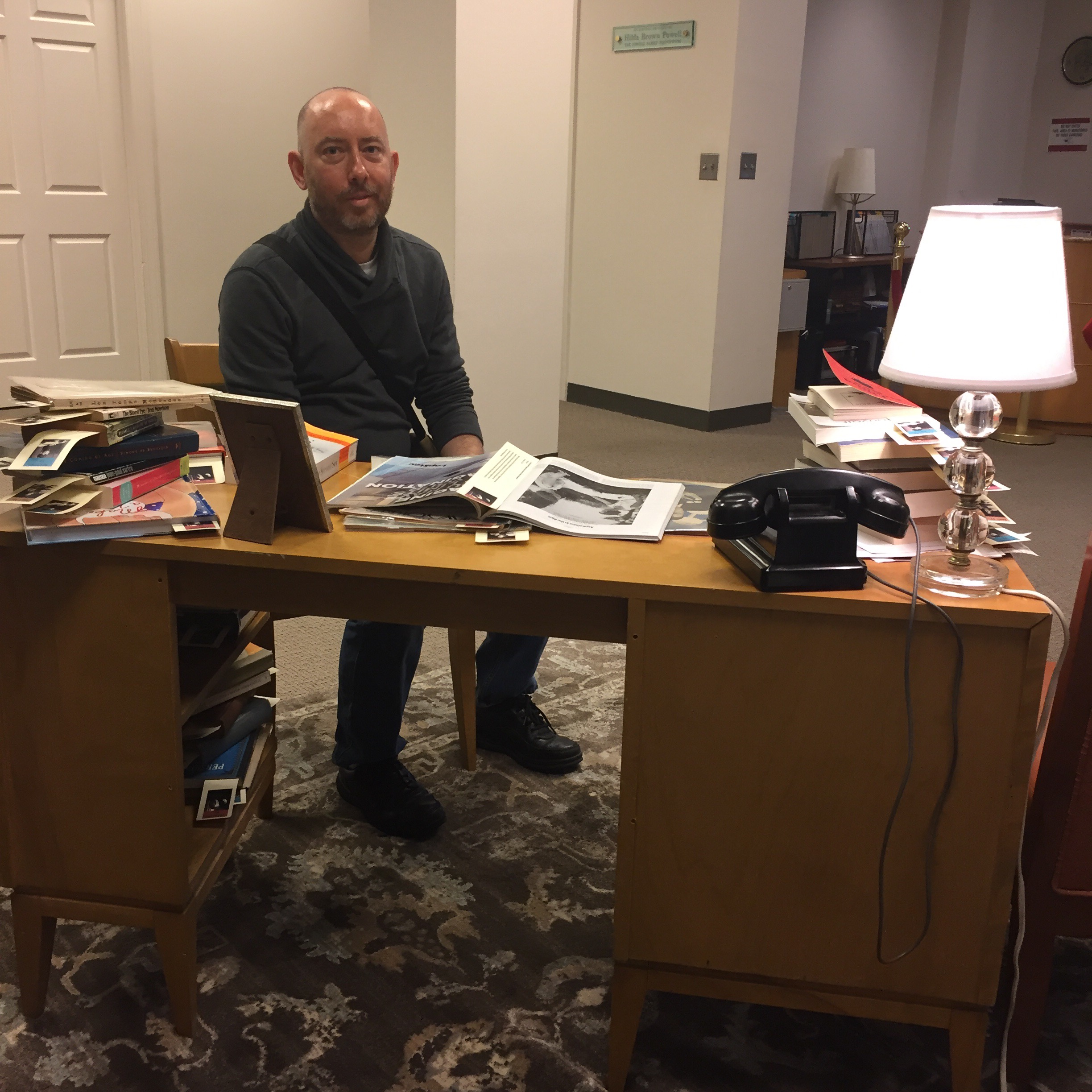
The Second Sex is brilliant and I have read The Mandarins at least three times, but when I first read about this exhibition, I didn’t put two and two together and realize that it was right here in Washington, DC. It was just coincidence that we happened to visit the museum that day.
As you can see, I got a kick getting my picture taken while sitting at a re-creation of her desk.
While much of the stuff were merely examples of things from her study and not actual originals, there were two handwritten pages from The Second Sex, which is pretty awesome.
A friend is a security guard there and she took me to see a marble statue and when I looked at the name, it was by Sarah Bernhardt, the famous actress of the late nineteenth and early twentieth century stage – who was, apparently, a skillful sculptor in her spare time.
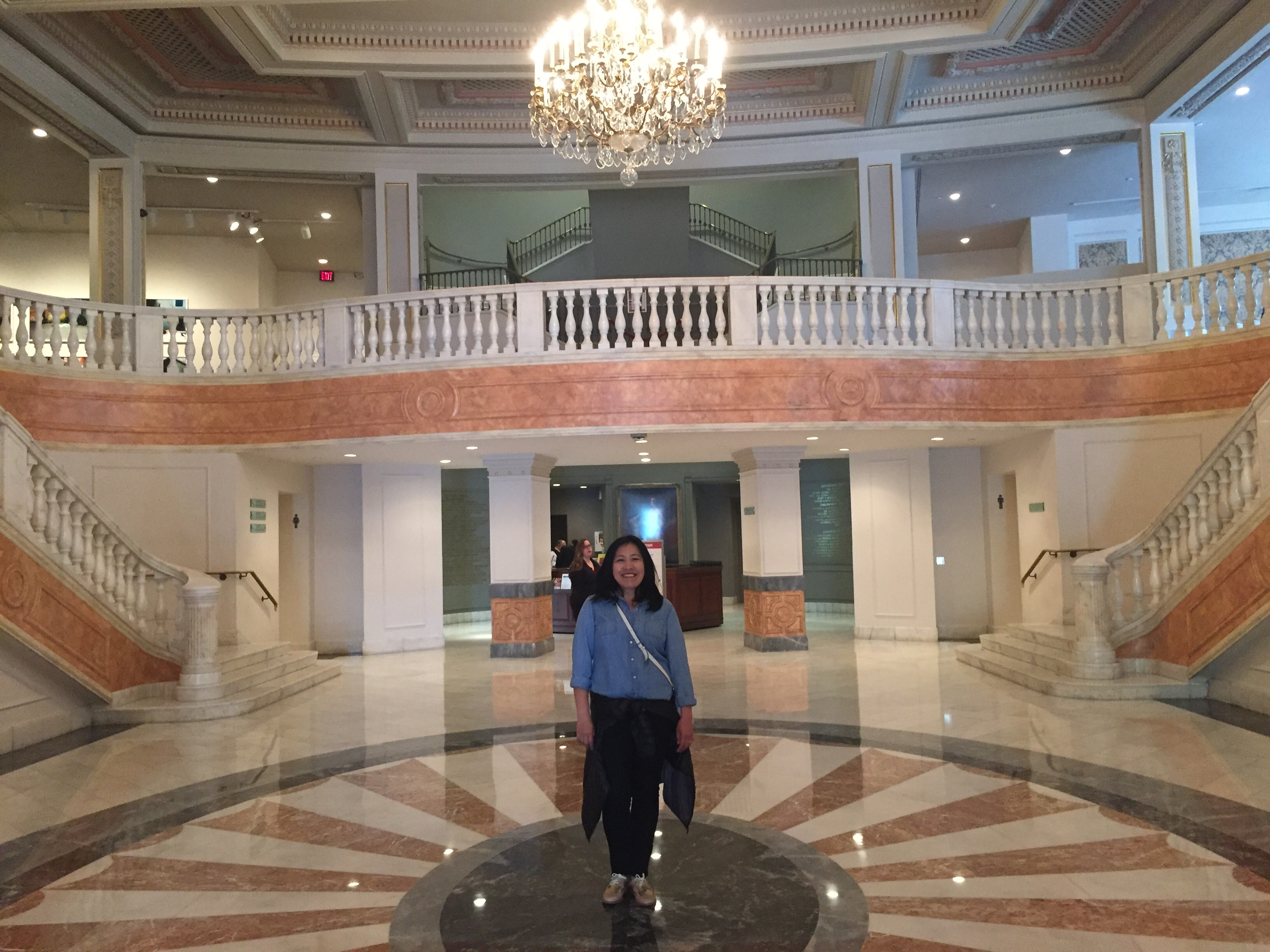
The museum is a beautiful building inside, to boot.
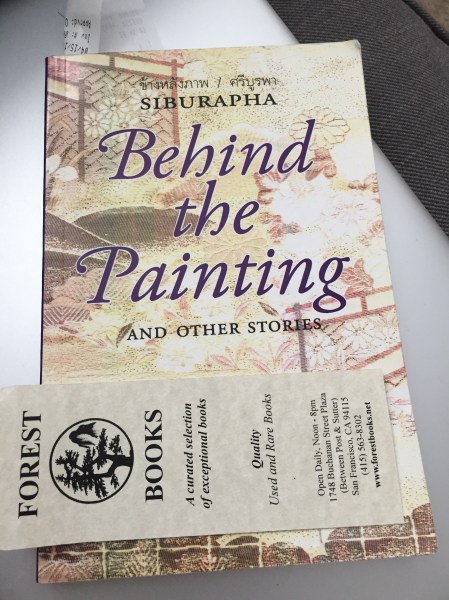
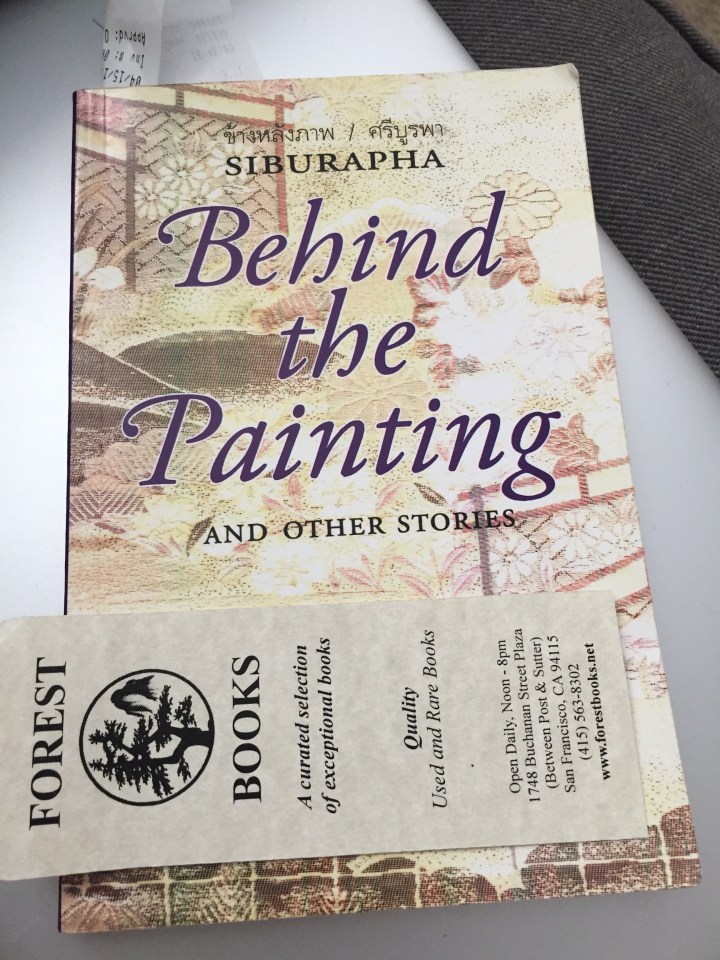
I read some short stories by Siburapha, who wrote Behind the Painting, and all three were dominated by ideas from left leaning, socioeconomic activism, something that I could only see in the novel in light of these stories (and even then, so much more faintly; the novel is, ultimately, about the loves of Thailand’s upper echelons).
In fact, I would say that the stories verge on being downright marxian (particularly one entitled, Lend a Hand, which featured an explicit dialogue about the relative value of labor vs capital).
Enjoyable, but like the novel, a little too much driven by ideas and a little too little driven by character (arguably, only Dostoyevsky ever wrote a truly successful philosophical novel, where a plot entirely driven by intellectual concerns still managed to be a deeply riveting narrative; I’ve always felt that The Brothers Karamazov is the most architectural novel ever written).
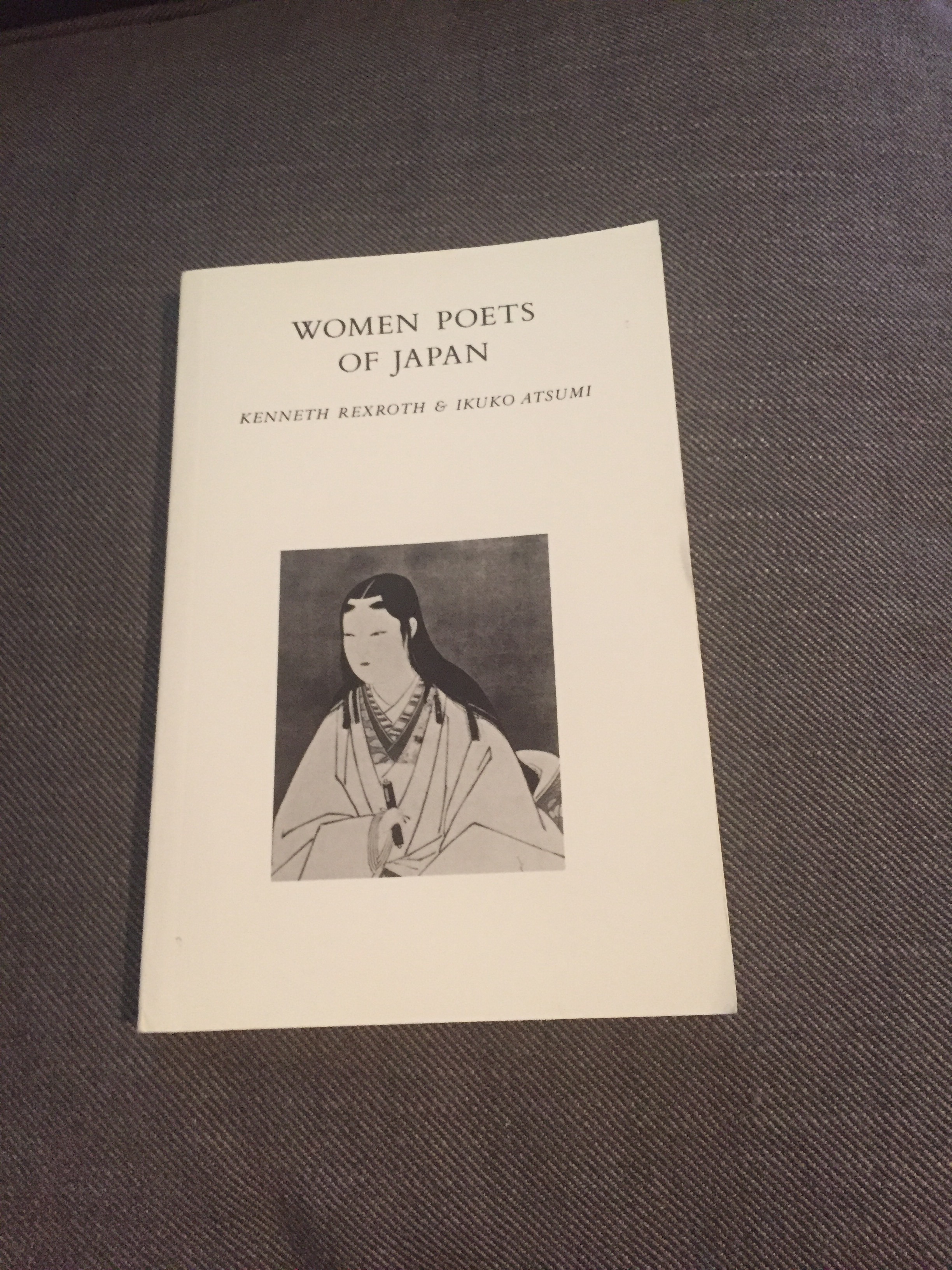
It’s books like this that make it both difficult and besides the point when people ask me how books I read in a year or a month or a week or whatever. I love this book. Every so often I pick it up and read through some of the poems. In fact, I just did it.
What I didn’t do is read systematically through it from cover to cover.
Instead, I read a few and was inspired to read a chapter from the second book of The Tale Genji, which I had started and then set down after finishing the first book. I did this because Murasaki is one of the featured poets.
I am also thinking of going back and finding some other books in my collection by Japanese women poets (names, Salad Anniversary and Collected Poems of Chika Sagawa).
Reading poetry is a different thing than reading novels or nonfiction. It’s a different kind of attention and is done at a different kind of pace.
After I bought this, my better half perked up. This book, she said, is a sort of classic. It’s one of those books that every Thai student is given to read in high school. She then quoted to me a translation of the final line, which is, apparently (and one other Thai person confirmed this to me), iconic.
I die with no one to love me, yet content that I have someone to love.
We were at a Cherry Blossom festival in San Francisco’s Japanese neighborhood (in LA, that neighborhood was called Little Tokyo, but I think in SF they called it Japantown) and I excused myself to check out Forest Books, a great little used bookstore, specializing in books about Asia and literature in translation. They had shelves devoted to Eastern European, Chinese, and Japanese literature. And they had a Southeast Asian shelf, so I figured I would see if they had anything from Thailand. Not knowing anything about it, I bought this.
It’s romantic, and I’m a sucker for that, even if it was a little slight.
A few highly recommended local bookstores (with the exception of some university bookstores that are run by Barnes & Noble, there are no chain bookstores in DC) around the area that you might want to consider visiting in honor of Independent Bookstore Day. If you live in the area. If you don’t live in the area… well, use your phone. You can do all sorts of things with your phone these days. Google something. Or Yelp it. Don’t make this my problem.
Politics & Prose: Kind of the godfather of local indie bookstores. It’s got a really nice poetry section; second only to Bridgestreet Books, in that respect. Also, go downstairs and check out the discounted books – walk down and make a sharp left.
Bridge Street Books: I already mentioned the poetry section, which is both large and well-curated (with an eye towards promoting contemporary and conceptual poetry). It’s also really big on leftist/critical theory type stuff, filling it’s current affairs, lit crit, philosophy, and politics shelves with books in that vein. Curation, really, is the key to what makes this place great.
Kramerbooks: It’s not my favorite, in terms of the selection (not a small selection, necessarily, just not always my cup of tea), but… c’mon. This place is an institution. Gotta love it.
Busyboys & Poets: Up there with Kramerbooks and P&P in its locally iconic status. Lots of stuff on grassroots organizing, race, immigration, economics, etc. Not just liberal, but activist in nature. Technically, it’s run by Politics & Prose. For years, it was run by an awesome nonprofit called Teaching for Change and I didn’t realize that had changed until I looked up the website for the bookstore. Now I’m feeling kind of bummed out.
Capitol Hill Books: This is my neighborhood bookstore. Quintessential, piles of books in danger of collapsing on the perusers. Funky and friendly. But don’t piss off the owner.
East City Bookshop: A relatively new bookstore with some really comfy places. A little mainstream for my taste, but some excellent curation in its small poetry section.
Upshur Street Books: This place is out of the way for me, but it’s worked really hard to be both a neighborhood and citywide cultural touchstone. A focus on works by writers of color and great symbiosis with the bar next door, which regularly holds book/author themed happy hours. Selection is small, though.
Second Story Books: It’s almost big enough to get lost in and has lots of really (and sometimes pricey-ish) old tomes, as well as offering legitimately rare, antiquarian books.
Kensington Row Bookshop: Not actually in the District, but in the cool little antique row area of Kensington, Maryland. Lots of events and a great focus on kids.












 the coffee philosopher