 I went into the office on a Sunday because I simply couldn’t believe that over the course of four and a half day holiday weekend I hadn’t received any work emails (I hadn’t but then again, our systems were being spotty and people claimed to have tried to send me documents).
Upon discovering that my fears were groundless and having already found parking downtown, I decided to spend a little flaneur time.
First, the National Museum of Women in the Arts.
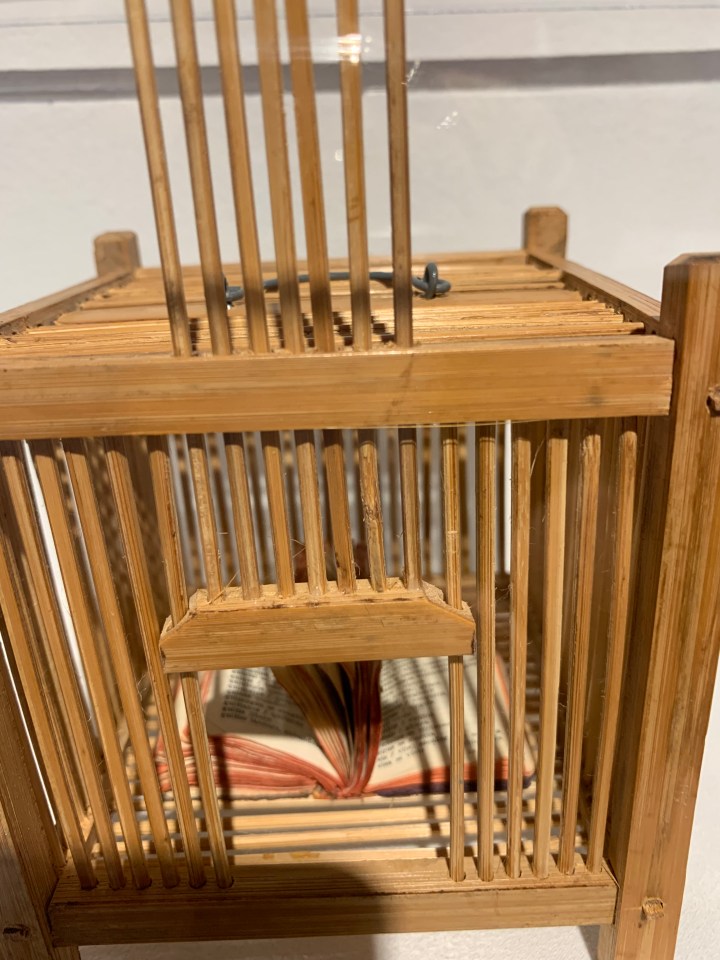
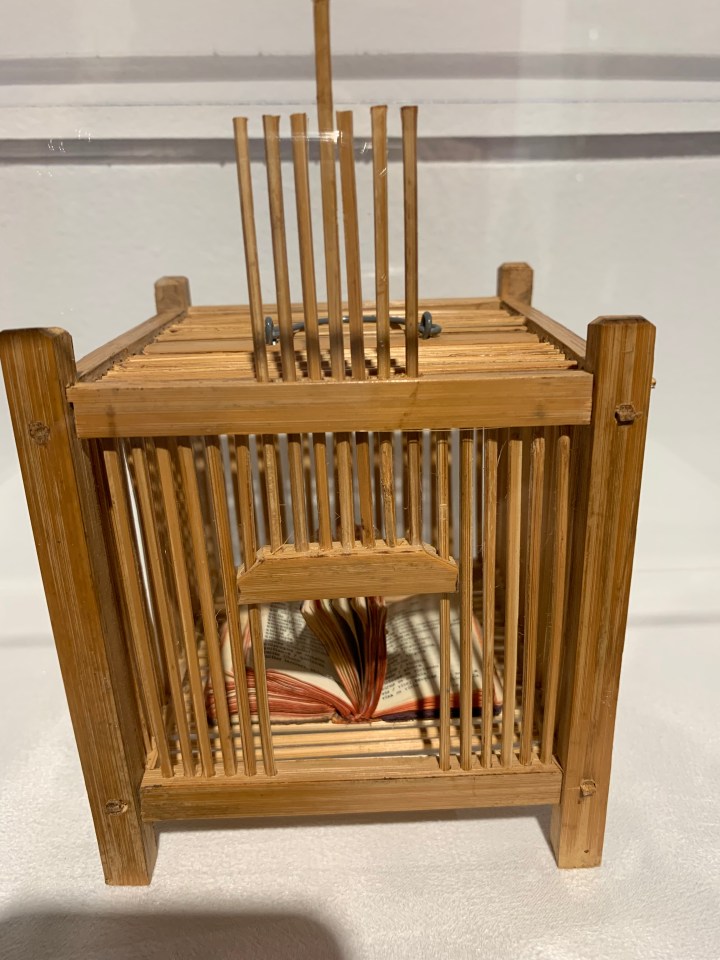
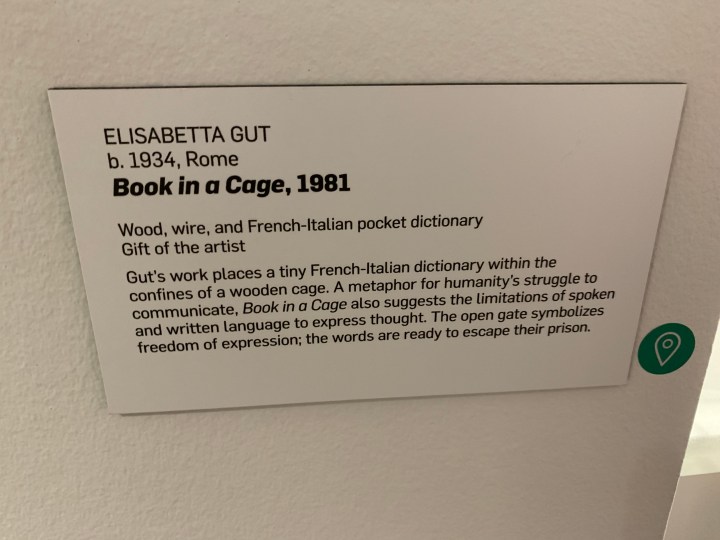


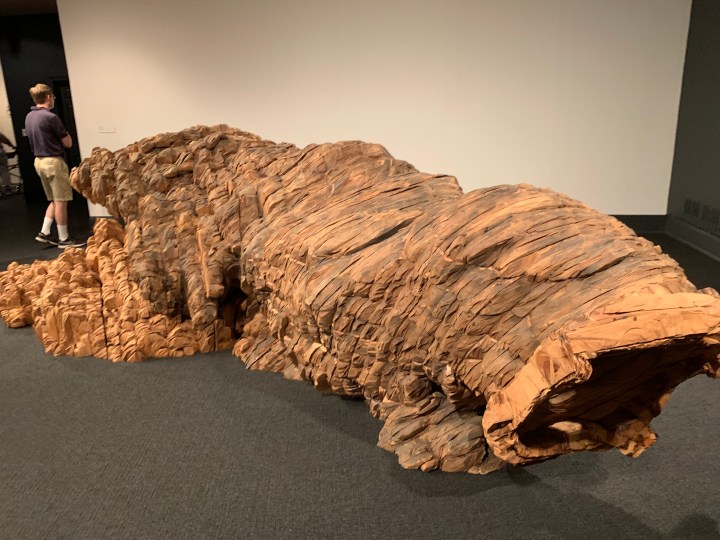


The museum was not only free that day but featured a Book Art Festival, which is a fancy way of saying that young, creative types set up tables with their zines and chapbooks and letterpress creations.

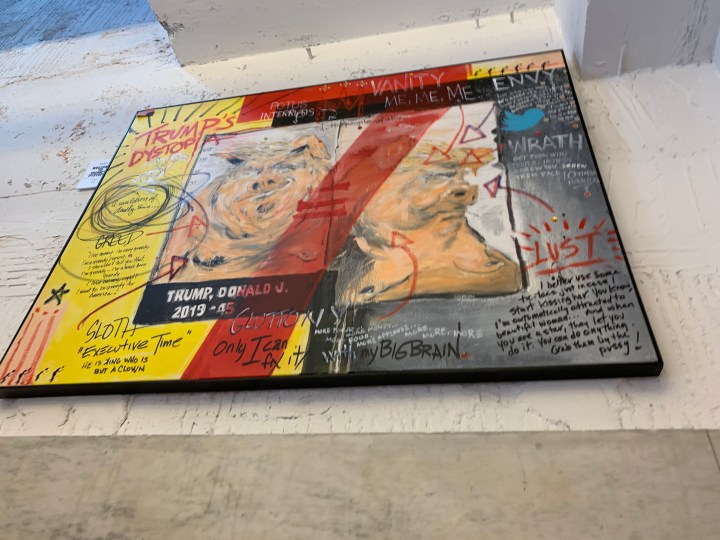
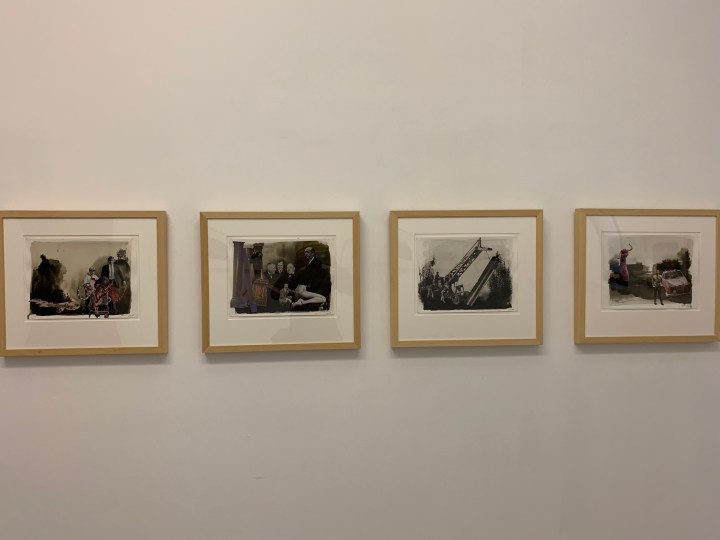
Naturally, I bought five books. One of those books was a book of art reproductions created in the wake of Trump’s election which leads to my next fortuitous encounter.


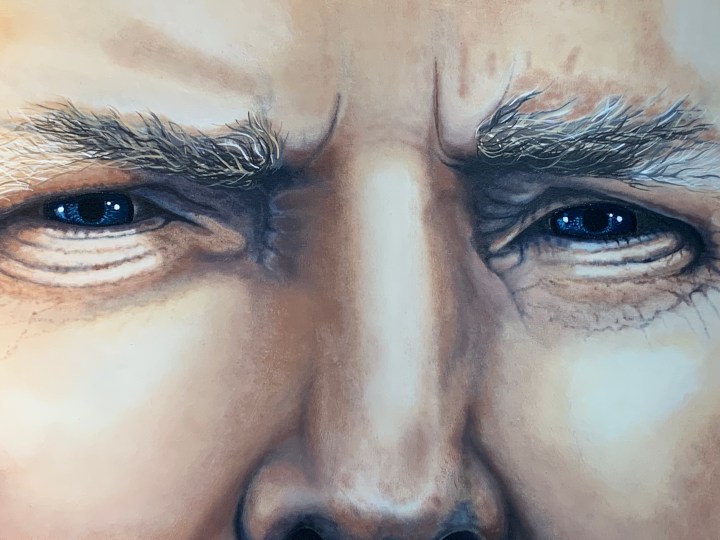
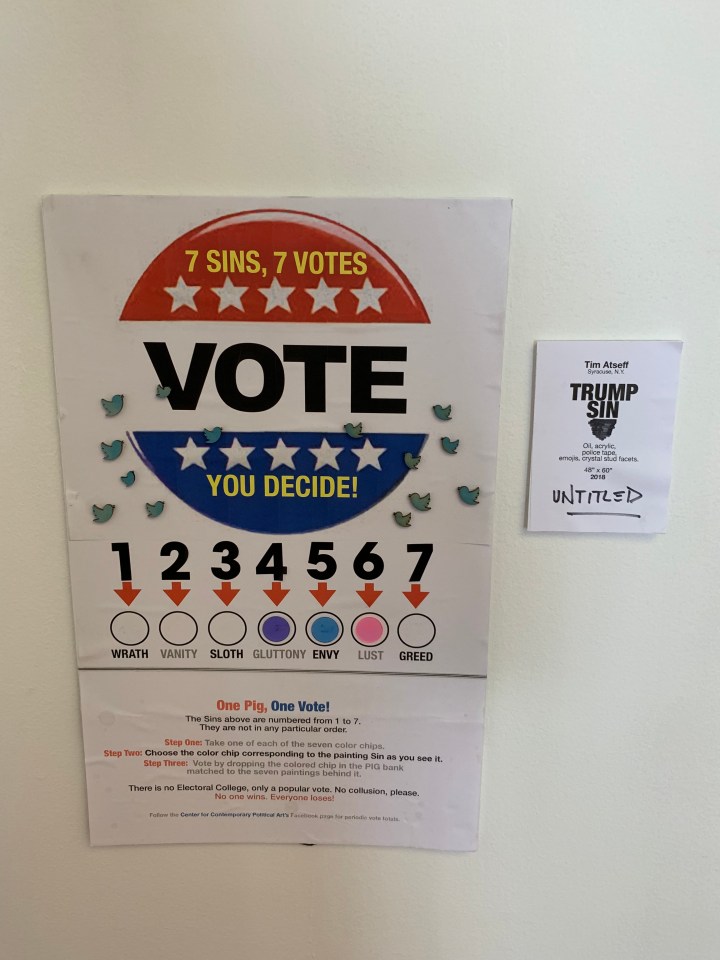
While walking to Chinatown in search of noodles, I passed by a sign that pointed through a door and up some stairs to the Center for Contemporary Political Art.



 A loan from a friend from my D&D group who thought I’d like and I did.
  Did I need to read another Jefferson book? Probably not. My fifth in the last two years, though the first traditional biography (the others being guided by conceits or else by Christopher Hitchens and so read to understand him rather than Jefferson).

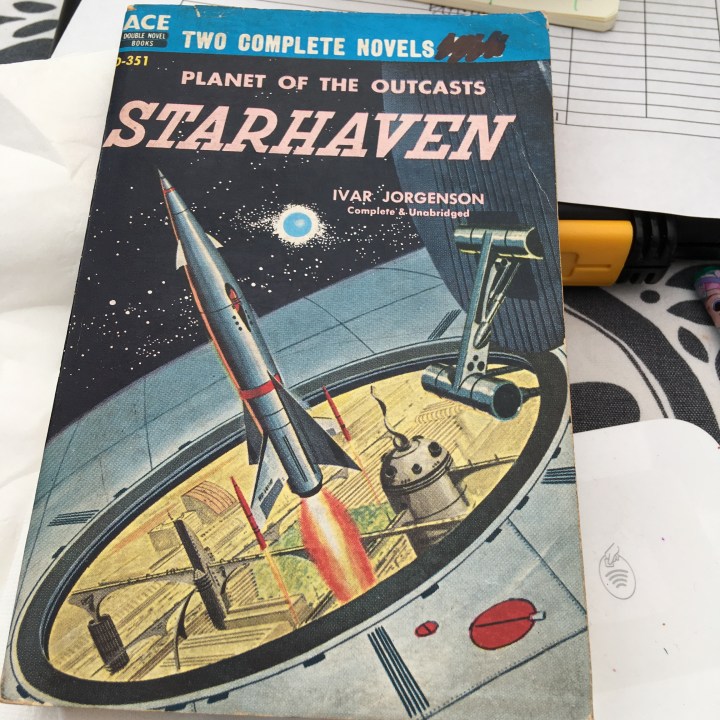 Edmond Hamilton’s The Sun Smasher is a surprisingly slow paced (but not boring nor lacking in excitement) novel for something barely one hundred pages. A man on earth is told his life is a lie and he’s actually the brainwashed heir to an old empire. Swift, but not blunt hints are dropped that maybe that old empire wasn’t so great. An apocalyptic weapon too powerful to ever use. Oh, and giant psychic spiders.
 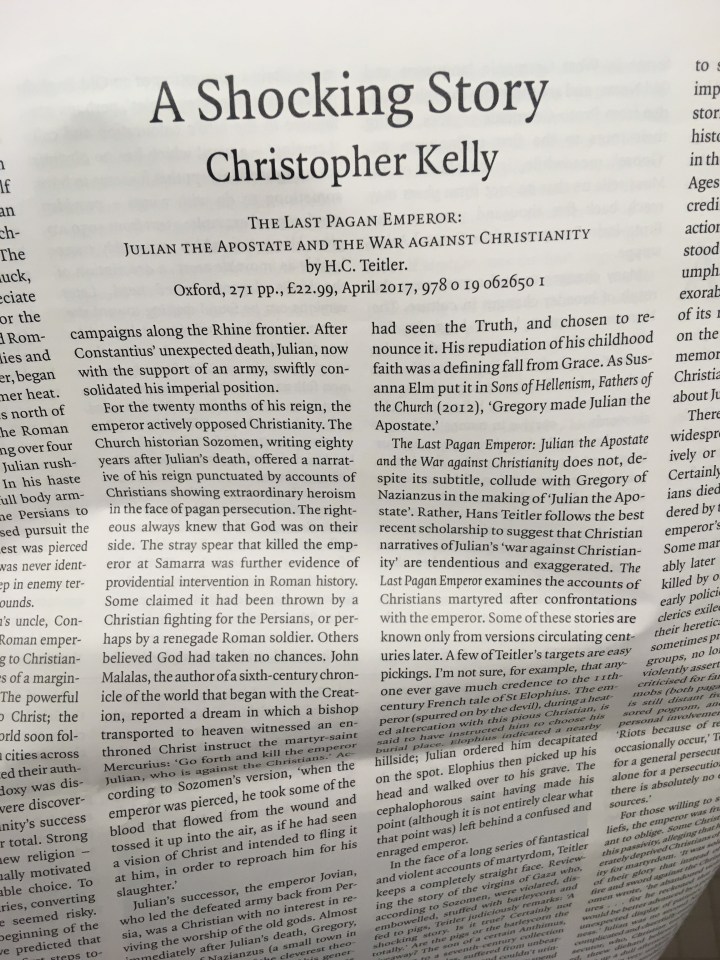 Of course, this article from LRB drew me because of Gore Vidal’s novel,
  He lost me. Seven hundred odd pages culminating in some poorly explained gobbledygook that reminded me of a lot of earlier gobbledygook, albeit less densely packed, that I had deigned to overlook.
 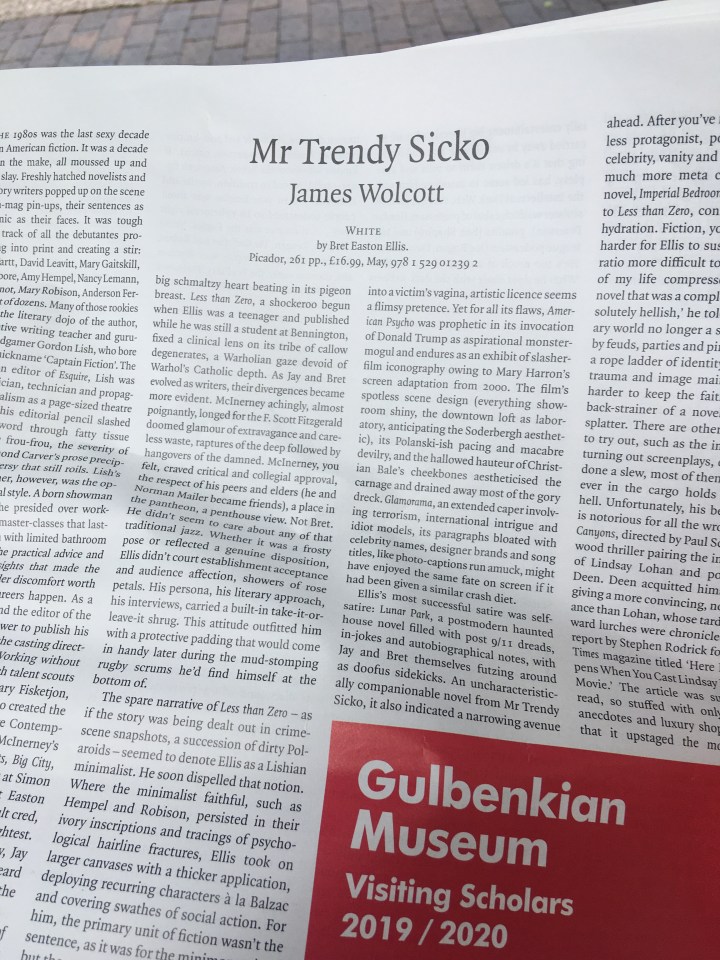 Just going to briefly make a pitch in favor of reading James Walcott’s article on Bret Easton Ellis in the May 23 edition of the London Review of Books. Technically, it is a review of his latest book, White, but a nice and balanced and clear eyed appraisal of his career, recognition of the value and failure of books like American Psycho, and taking a nuanced look at his late career shift as a middle aged, conservative, would-be provocateur. It even made me less angered by his wrongheaded and shallow retorts to younger generations.
 Some eighty-five percent of the way through this novel, I realized that it’s actually a nineteenth century novel (a touch more explicit about the sex, but arguably with slightly less sex overall than its predecessors). The coincidences, the interrelations, the series of deus ex machina (what’s the plural for that?). Arguably, this one was better than Crazy Rich Asians for embracing its origins (though lacking the newness of that first book). I just hope the movie finds away to make sure Michelle Yeoh gets plenty of screen time.
 the coffee philosopher