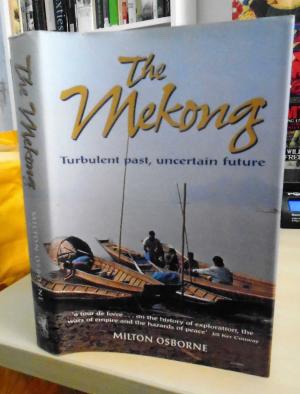
 Apparently, and I didn’t know this before, no one really explored the Mekong River until intrepid white folks arrived. Sure, many of them were racist, cruel, and exploitative, but we should admire them for… reasons? Read more
Bridge Over The River Kwai

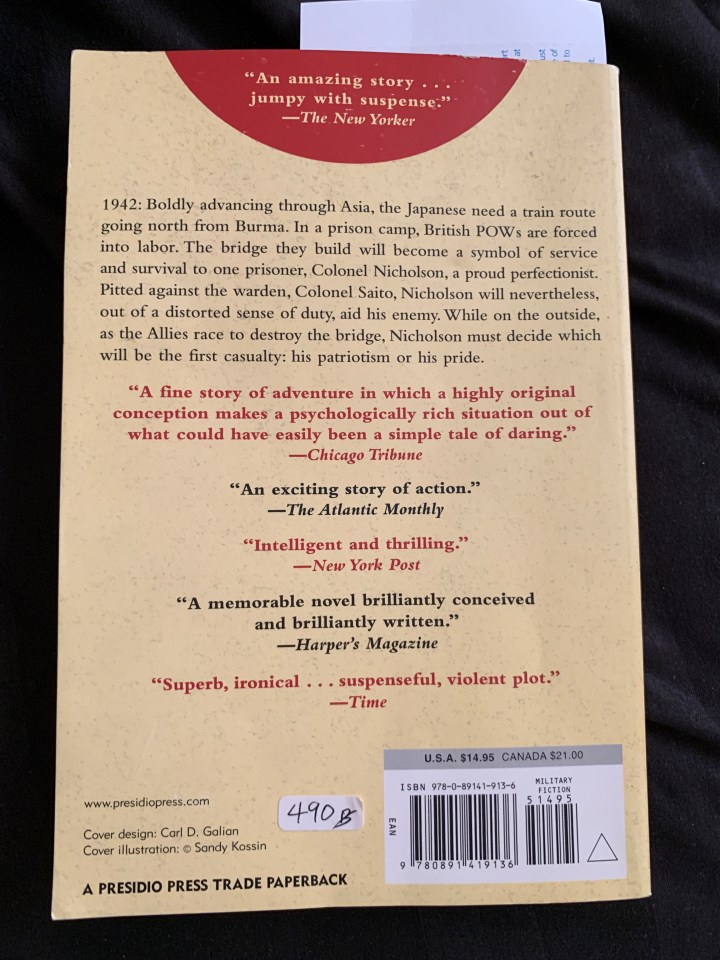
I bought this at World at the CornerWorld At The Corner. Because it takes place in Thailand, it seemed appropriate. Read more
‘The Four Loves’ By C.S. Lewis
A Long Way To A Small, Angry Planet
 Space opera but almost totally lacking in shots fired. Those fired are key to the plot but, notably, the protagonists never fire back.
A good ensemble piece that steals greatly, but not badly, from Firefly (but with aliens). Read more
World At The Corner
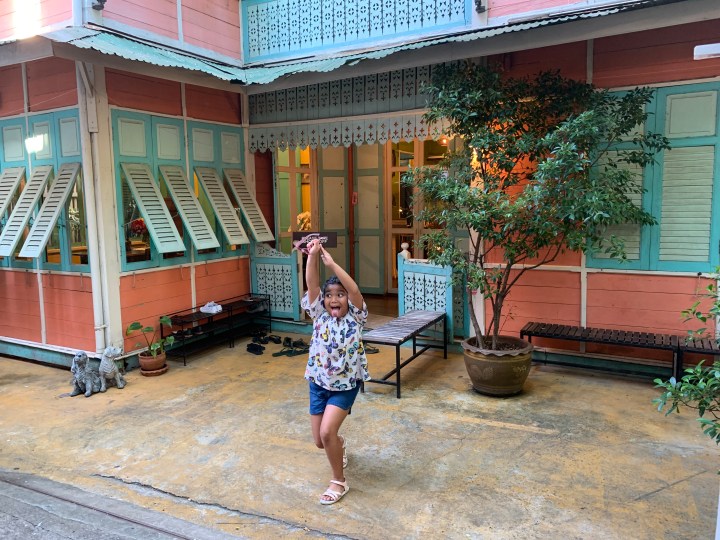

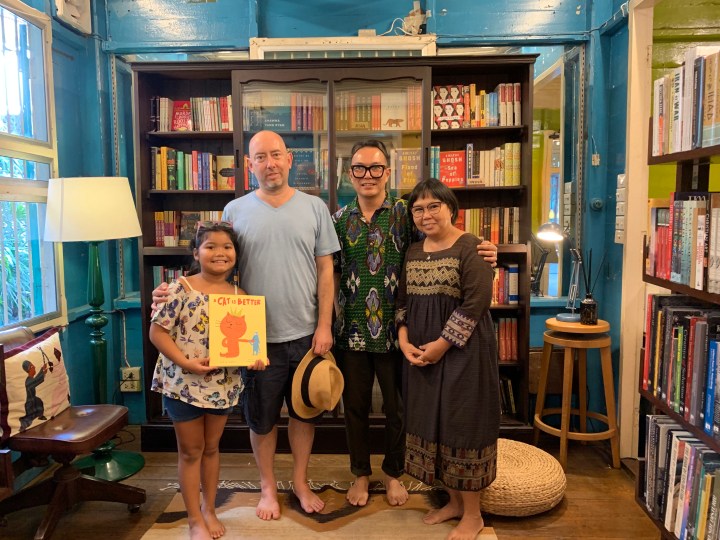
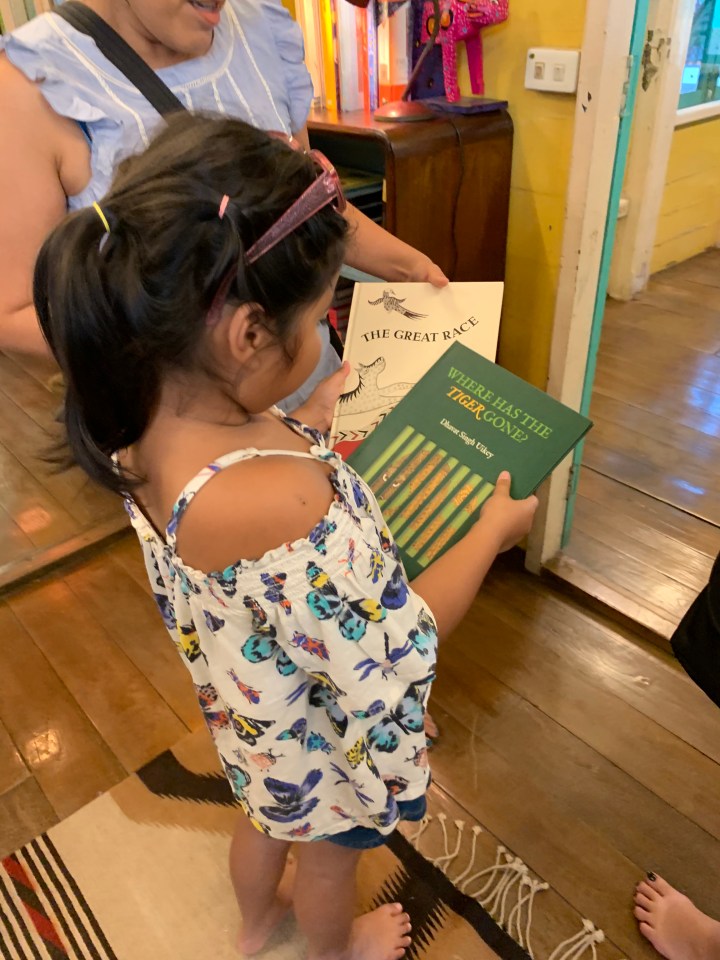
Wat Chulabhorn Wararam
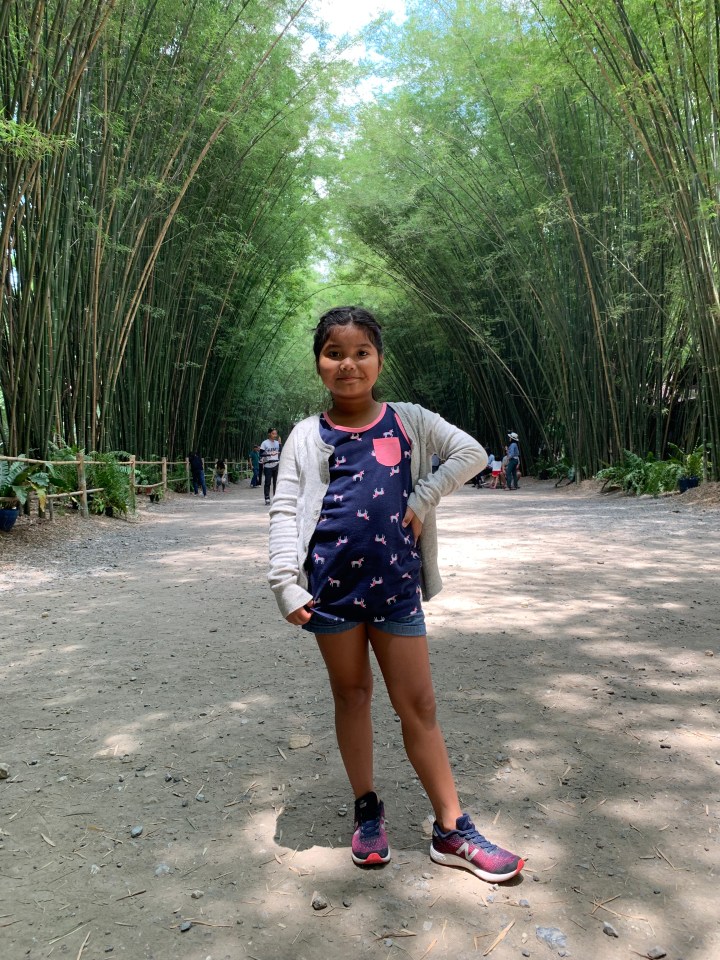

Famous for this bamboo shaded path, it was very peaceful. The more so for being well outside of Bangkok.
And while I didn’t take a picture because it seemed disrespectful, I saw my first monk smoking a cigarette.
Things That Aren’t Creepy At All
A Touch Of Zen
Riverby Books Has Closed
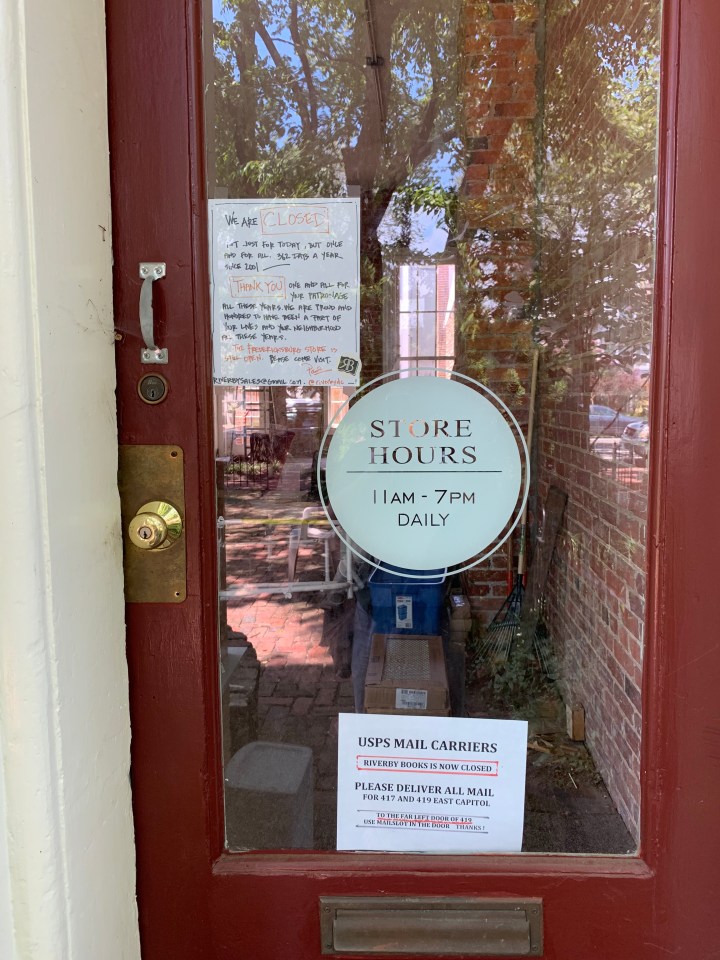
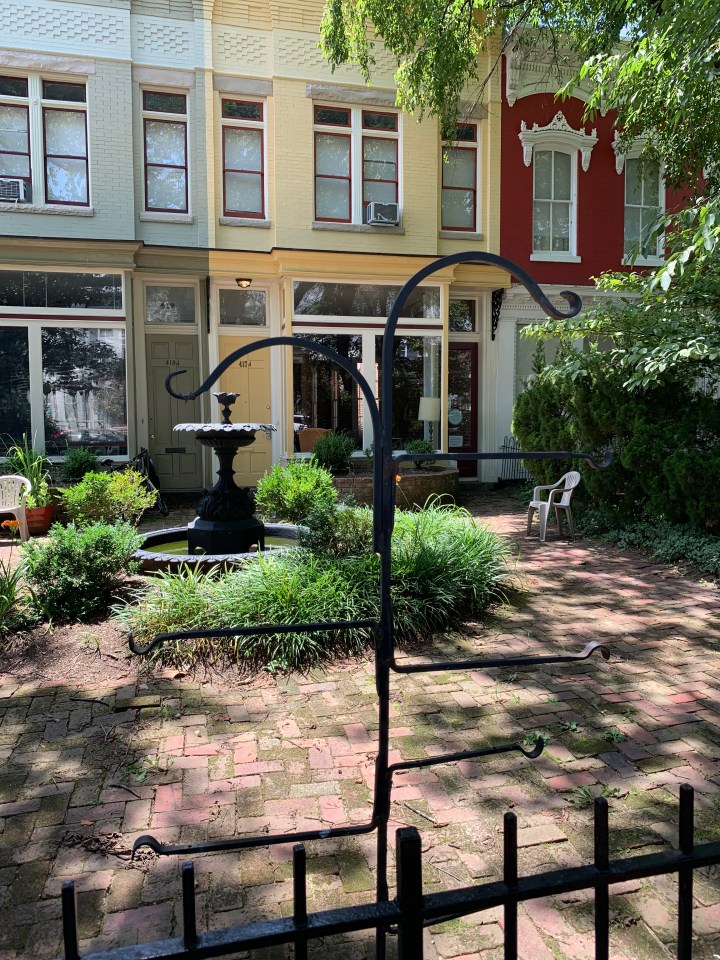 I was walking back towards Eastern Market on Sunday and made a point of walking Riverby Books. I have been trying to restrain my book buying habit lately but it was on my way back (I’d been visiting some museums earlier) so why not?
And I saw… well, you can see the pictures. Read more
The Metaphysical Club
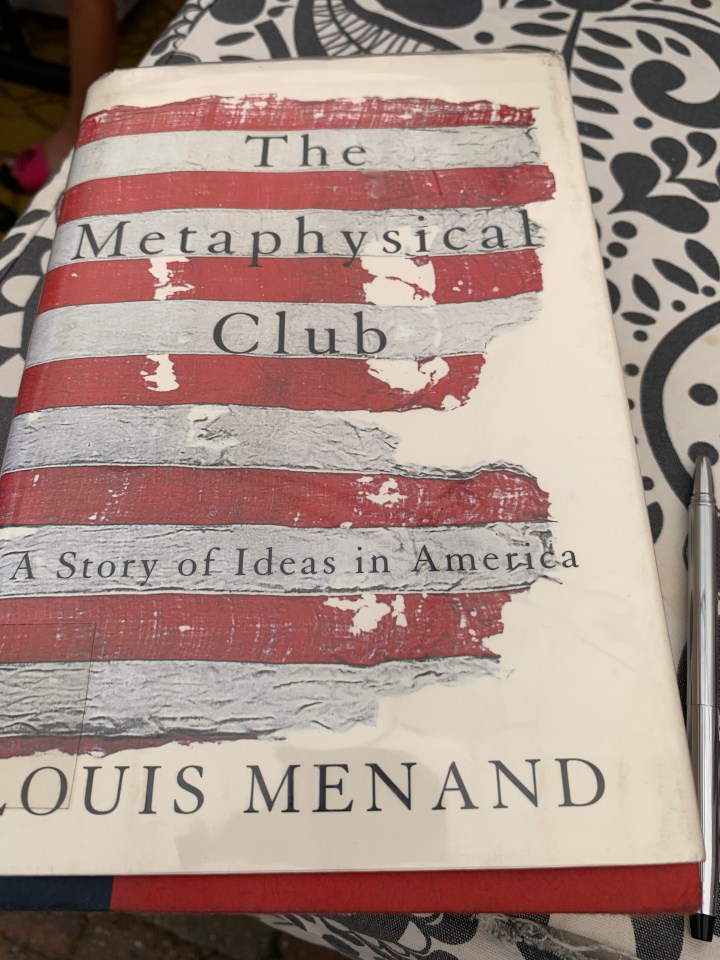 What might be most interesting about The Metaphysical Club is that it purports to be about how figures like Oliver Wendell Holmes, Jr, William James, Charles Pierce, and John Dewey (among others) created a new and modern American from the ashes of the Civil War, it manages to never explicate James’ nor Peirce’s nor Dewey’s philosophy nor that the first two are both considered the founders of American pragmatism (James association with it is mentioned once or twice; Pierce never) nor that Dewey’s has work might be connected to it over the course of three fourths of the book. Instead I found a series of frustrating threads, connecting Holmes to James and James to Peirce but not Peirce to Holmes in any meaningful sense. Supposed schools of thought like the Burlington transcendentalists (shouldn’t transcendentalist be capitalized, too, in this case, if it’s a legitimate, albeit no longer extant, school of American thought?) appear, are discussed in not insignificant length and then noted to be almost entirely meaningless to the topic and not influential at all. Jane Addams is the only woman noted beyond her relationship to a man and she gets briefly shoehorned into a lengthy rumination on Dewey’s Chicago. Read more
 the coffee philosopher