‘The Fall Of America: Poems Of These States 1965-1971’ By Allen Ginsberg


9780872860636Ginsberg, I would argue, wrote two great poems (Howl and Kaddish), one good poem (America) and then a bunch of other stuff.

Is that unfair? He was the outstanding public figure of a movement that was hugely influential and played and outsized role in the creation of a certain idea of the artist. The idea of the artist as shaman, perhaps. Yet his own work was, I can’t help but feel, a chronicle of diminishing marginal returns.

I can’t remember if this scene was in the book, but in the movie Trainspotting, Sick Boy uses the career of Sean Connery to illustrate a point about the tragic, downhill slope of life. Connery was James Bond and then everything else he did, if you’re honest about, Sick Boy argued, was ‘shite.’

America, despite moments of brilliance, is Ginsberg’s Untouchables. Sure, Connery won a best supporting actor Oscar for it, but really, does it hold a candle to having been the indelible presence he was as Bond? Bond, in this case, being a stand-in for Howl and Kaddish.

As a result, I had a huge problem getting into this little book. I’d re-read Howl and Kaddish and was struck by their power – a power that I’d forgotten. Now, I wish I had stopped there. Unlike the others, this one appears more deeply unstructured – a sham Whitmanesque, propulsive journey (and definitely with Whitman’s signature form – the long lines interspersed with deep indentations), but without Whitman’s careful (if exuberant) craftsmanship.

‘A Treatise Of Civil Power’ By Geoffrey Hill


9780300131499I saw Hill read once and he was an engaging and erudite (without being obfuscatory) reader, but at the time, I chose a to buy a collection by one of the less known poets in attendance, but when I was browsing Politics & Prose while waiting out some traffic, I saw Hill’s A Treatise of Civil Power on sale and couldn’t resist.

It’s a damn melancholy book. I keep on thinking that it’s referring to some Latin treatise by a Cicero or Tacitus type of character, but it’s actually a reference to Milton and he draws heavily on seventeenth century English history and a Miltonic style (and very Miltonic enjambments). In writing poems about centuries old quarrels and the (usually failed) efforts to resolve them peacefully and successfully, it’s difficult not to take away a deep pessimism from the poems. Without being terribly dense, the poems also manage to have a strange feeling of density. Maybe it’s the archaic style (I’m also reading some Ben Jonson and while his poems, with their irregular spelling and very different modes of writing than our current ones, are more difficult to read, their is an airiness to them that you don’t find three quarters of a century later).

He also wrote an entire poem in memoriam of the British philosopher, Gillian Rose. I had to look her up. Apparently, they had some kind of quarrel and he wrote (fondly? sadly? regretfully) of her prickliness and their disagreements (whatever they were). So even when he moves forward in time, it’s still powerfully melancholy. And melancholy is the right word. Not sad. Something with a cavernous, time-spanning and more baritone to it than ‘sad.’ Something like ‘melancholy’ (though I don’t remember that he ever referenced Burton’s book/poem/treatise sui generis, Anatomy of Melancholy).

Midweek Staff Meeting – Remembering Gary


How Gary Gygax came to leave TSR.

I’m on the side of the antifree.

What’s your chair look like?

chairs

Home, Sweet Home


IMG_4843.JPG

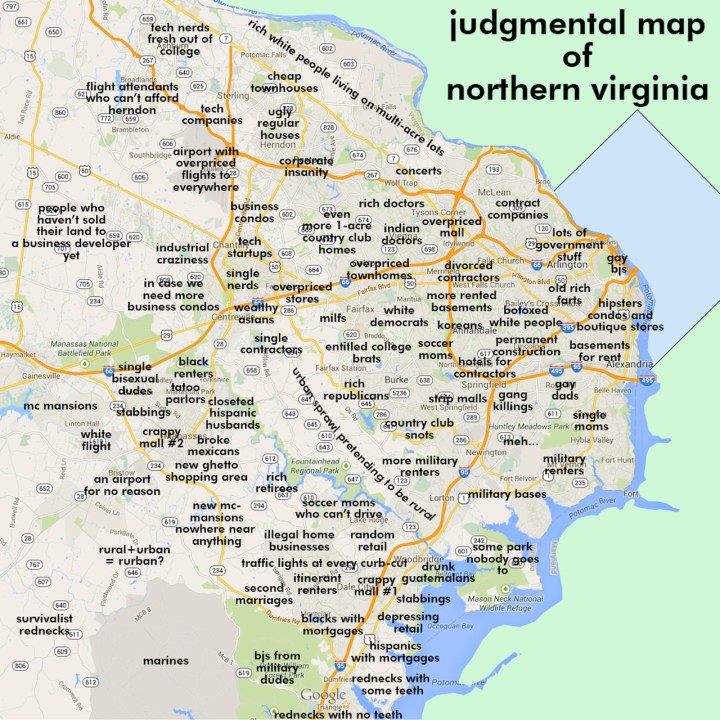
Judgmental Map Of Northern Virginia


From Judgementalmaps.com

ertytryrtyhfghb


456745yeyhrfthg

Weekend Reading – Through The Wardrobe


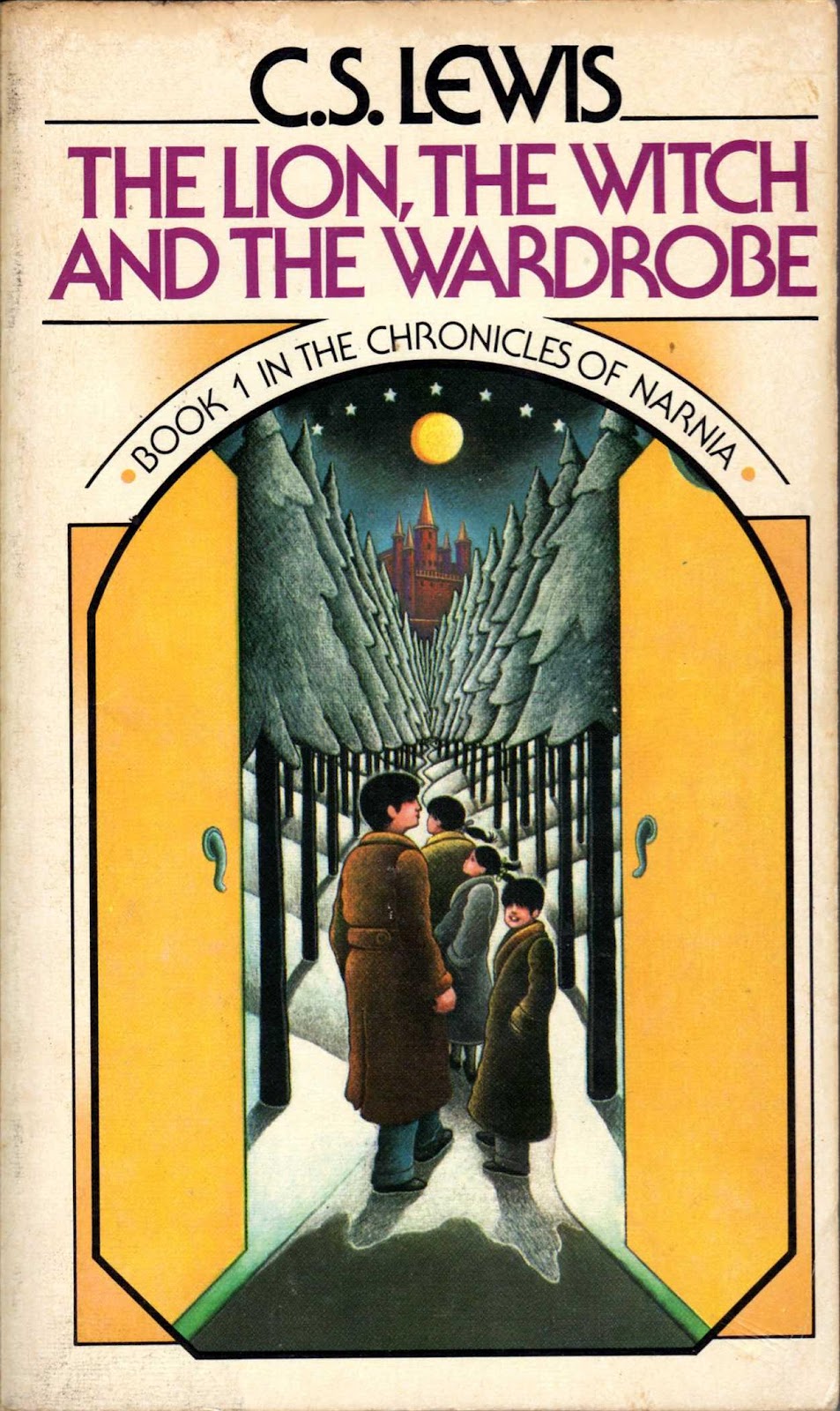
The Lion, the Witch, and the WardrobeI’ve never read Grossman… and I still may not. There are a lot of books on my ‘to read’ list, after all, and I’m not feeling like moving him up to the top of the queue. But now, I want to go back and devour C.S. Lewis. The picture is the cover of the edition I read as a child. It was the only one available at the time and sometimes it was sold in a big, boxed set. Mother searched everywhere to find all the books for me – this being back in the days when the internet was something that only DARPA used. They’re still magical books to read and Grossman touches on something very true when he notes the great economy of language in The Lion, The Witch And The Wardrobe. Great economy, but economy that feels very luxurious. I’m always amazed when I go back and read about the delicious foods that Tumnus the Faun served to Lucy: I remember sardines on buttered toast, in particular. But when I go back, it’s not as long as I remember. I remember it being a great, neverending feast with richly described (and very English) delicacies, but it’s really only a paragraph or two. If you want to move beyond the Narnia books but are wary of his Christian apologetics, try A Grief Observed about his own grief following the death of his wife and about grief in general.

Holy c–p! Slate.com published a review of a book of poetry! Should we have a party?

Unknown Quote


Sublimity in art is the arresting of the infinite within the confines of the finite.

I wrote this down in a notebook and I have no idea whether I came up with it or if I heard it or read it and was compelled to jot it down.