I saw a cool device today: it lets you turn the warm, full sounds of vinyl into the narrower, tinny sounds of CDs.
God d–n it.
Oh. And there’s terrible inequality, too.
I saw a cool device today: it lets you turn the warm, full sounds of vinyl into the narrower, tinny sounds of CDs.
God d–n it.
Oh. And there’s terrible inequality, too.
At least that’s what the Norwegians discovered!
The cultural part, anyway. I don’t think they studied sugary cereals. And I only like frosted wheat, but not very often.
Anecdotally, it makes perfect sense. Generally, I feel too tired to attend cultural events (museum exhibitions, concerts, jazz clubs, galleries, Warholesque ‘happenings’), but when I do, I tend to leave feeling energized and creative.
What stood out about the study was the gender difference. Males, like myself (or least so my ex-girlfriends assured me I was), get the effects from what is described as ‘passive activities.’ Attending cultural events and activities.
On the other hand, women benefitted most by the active creation: painting, playing music, writing, etc.
In any case, it sounds like the poetry reading I’ll be attending at the Folger will make me happier, more upbeat, and less stressed. Sounds like a win-win thing for me and the Folger and the featured poet (Kay Ryan, former U.S. Poet Laureate). And I’d already bought the ticket anyway, so unless the study said ‘passive cultural activities causes immediate and fatal scrotal cancer,’ I’d probably go, whatever conclusions the Norwegians reached.
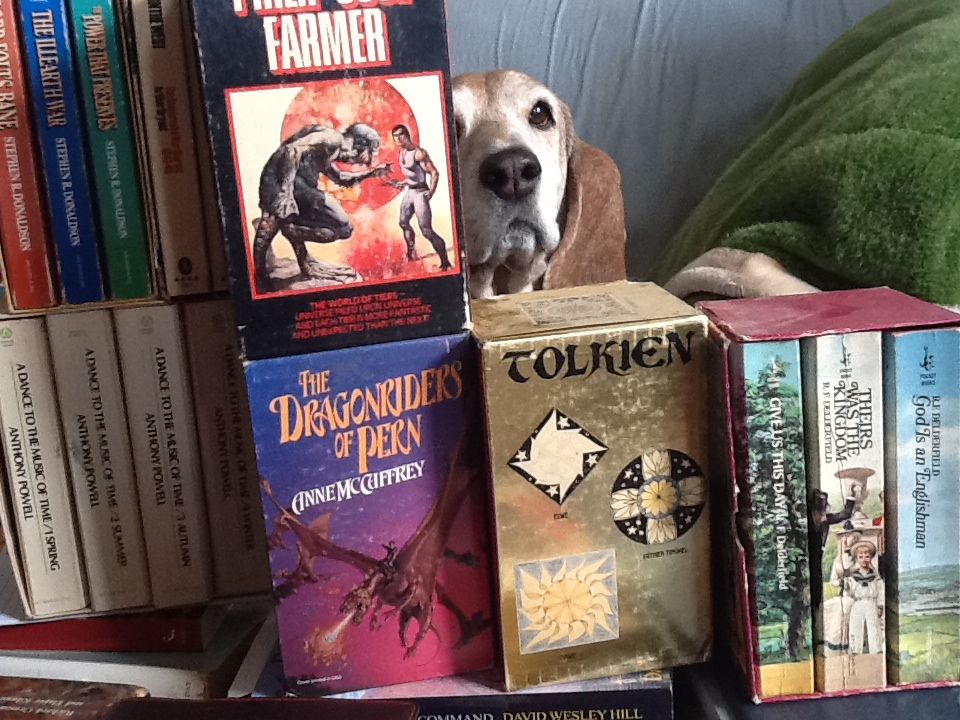 So, I read this fun little piece about box sets by Steve Donoghue in Open Letters Monthly, but rather than reveling in the potential playfulness of box sets and the implied seriousness of box sets, I wondered ‘whither box sets?’
It’s no surprise that of the six boxed sets featured over there, four are of science fiction or fantasy series.
After all, the last boxed set I purchased was of books seven through nine of the the Wheel of Time series.
With the rise of e-books, do they make much sense?
Or perhaps they do.
Boxed sets of music are generally of higher quality musicians (a lot more Miles Davis and Led Zeppelin than Backstreet Boys and Justin Bieber), but what if that is because fans of (say) Sonny Rollins are more likely to feel attached to the physical object of the CD or LP and more likely to desire it.
Similarly, science fiction and fantasy readers tend to be obsessive and completist types. Might’n we be tending that way, too?
But, of course, all that goes back to the issue of books becoming less items of mass consumption than something for rarefied and (generally) older collectors. Like fans of jazz. Jazz hasn’t been truly popular since the sixties (I once read an article that blamed Dave Brubeck’s rarefied style for helping establish jazz as arty and intellectual and laying the seeds for it’s decline as part of the vocabulary of popular music).
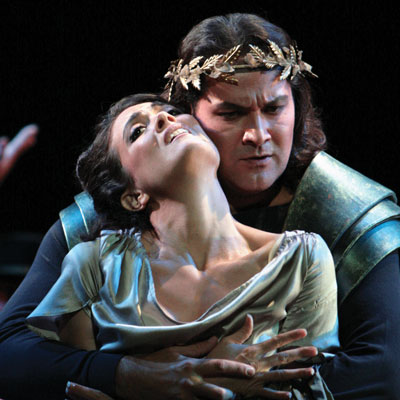 First of all, Ildar Abdrazakov, a bass from Russia, is amazing as Don Giovanni. Not only is his voice very, very strong, his acting was very good and he captured the swaggering, violent charisma of Giovanni, as well as the oddly principled nature of his existence (which allows the character’s final choice to seem organic). He really understood the intersection of the frequently light, almost breezily comic, music with the darker themes thudding just below surface. Don Giovanni is frequently described as the greatest opera ever written and, without diving into that debate, Abdrazakov was great platform for someone looking to make that argument.
Meagan Miller, who sang Donna Ana, had a throat infection, but the only affect was that her voice was always penetrating and was a little reedy during an emotional scene with Don Ottavio early in the first act.
It was a big production, as befits the season’s centerpiece, and a very physical one.
Swordfights and brawls were acted out with the kind of vigor more common to productions of Shakespeare than Mozart and Giovanni was aggressively physical with his libidinous targets; I don’t think I’ve very seen so many breasts so openly manhandled in an opera before.
But it didn’t all work. Donna Elvira was given a corset-style top and often wore pants and always wore a sort of light, flowing coat. It was anything but demure and while it did express her sexuality, it also made her seem too much the sartorial equivalent of Giovanni’s equal. Her bold steps across the stage were too aggressive for the character, at least too much for my taste. I could see that the director was trying for something, but I don’t think it quite came off.
Andrew Foster-Williams as Leporello deserves credit for his acting and for standing toe to toe with Giovanni in so many scenes. I can imagine it being a tough role; it’s not the lead, but shares a lot of physical and vocal space with one of the most powerful roles in opera and he hit the right balance in his portrayal of Don Giovanni’s (mostly) faithful servant.
Are you a Juggalo or a Juggalette (really? Juggalette?) who has been victimized by your classification by the FBI as being part of gang?
Have no fear, www.juggalosfightback.com can provide you with free legal advice. I think.
Anywa… Juggalos!
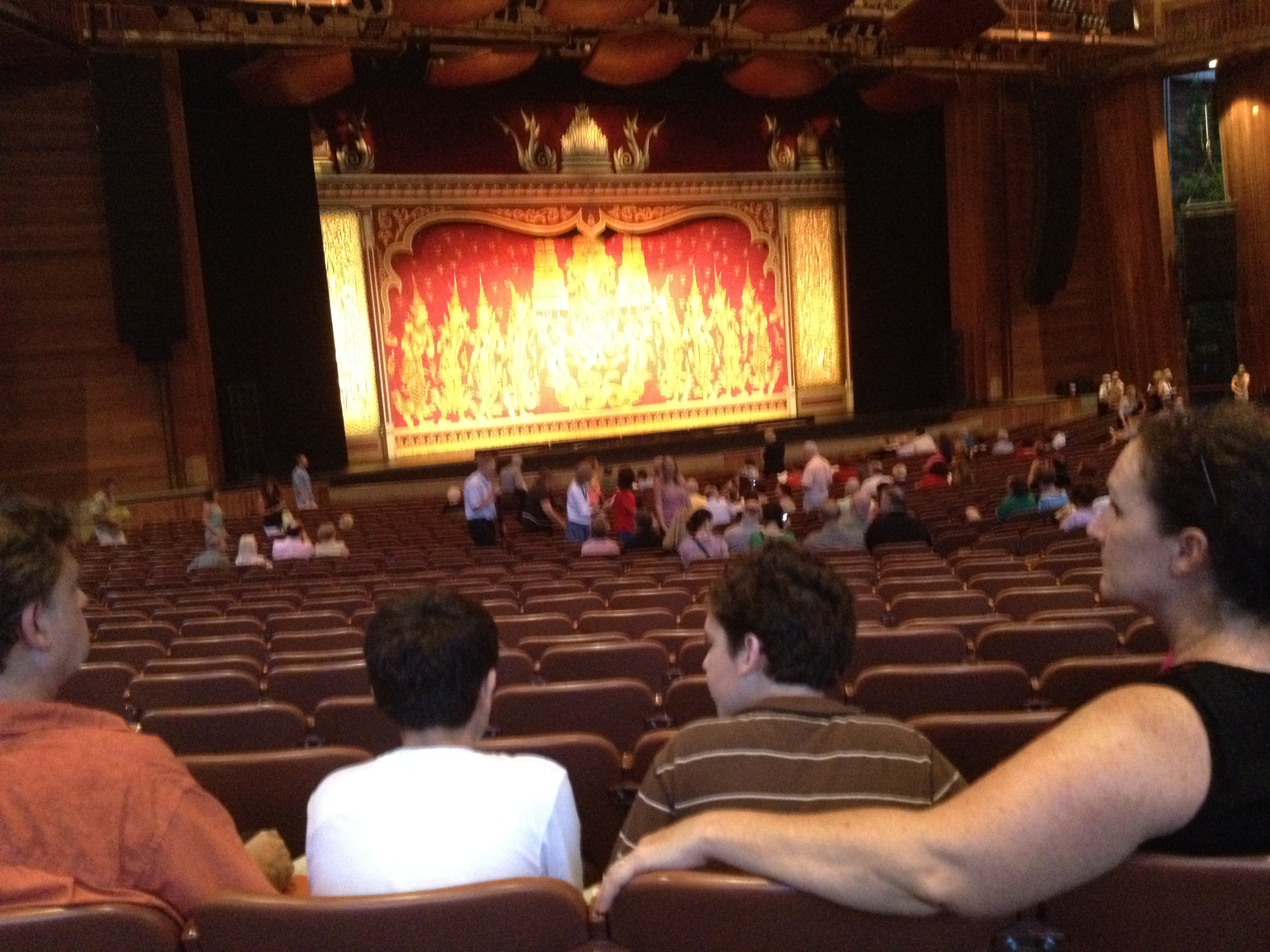 So, we saw The King and I at Wolf Trap on Sunday.
As you may know, I am not a huge fan of musicals (there are a few I like; none of them are Phantom or Les Mis) but live theater is always something worthwhile.
The King had a fine voice and did well with a character that will always risk tipping over into a racist caricature. Unfortunately, Anna did tip for me, with her faux (I assume) British accent being a little grating.
The story was better than I would have suspected. Or rather, the story was more difficult (in a good way) than I would have suspected. The story of the doomed lovers remains, well… doomed. Pat, happy endings are avoided in favor of something triggering more ambivalent emotions. I like that.
I’m not sure what to think about this article, but I saw Marcus Johnson play at Twins Jazz down on U Street (by far my favorite jazz venue in DC – the space is intimate, the admission prices reasonable, and the style of jazz tends more frequently to be my preferred style) and he was absolutely amazing.
The piano is far from being my favorite jazz instrument, but that article gets it right about his solos stopping everybody in wonder.
When I saw him, he was had never played with the rest of the quartet – he was filling in, as it were. But he slipped right in and read his bandmates beautifully and when he started his solo, the other musicians could only stand awe-inspired.
Not sure what I think about this wine thing, though.
 Today is Claude Debussy’s 150th birthday! I was late coming to the party, so to speak, but I’ve become much of a fan of him and other French impressionist composers, mainly from actually hearing their music at small concerts, rather than dismissing out of hand.
 the coffee philosopher