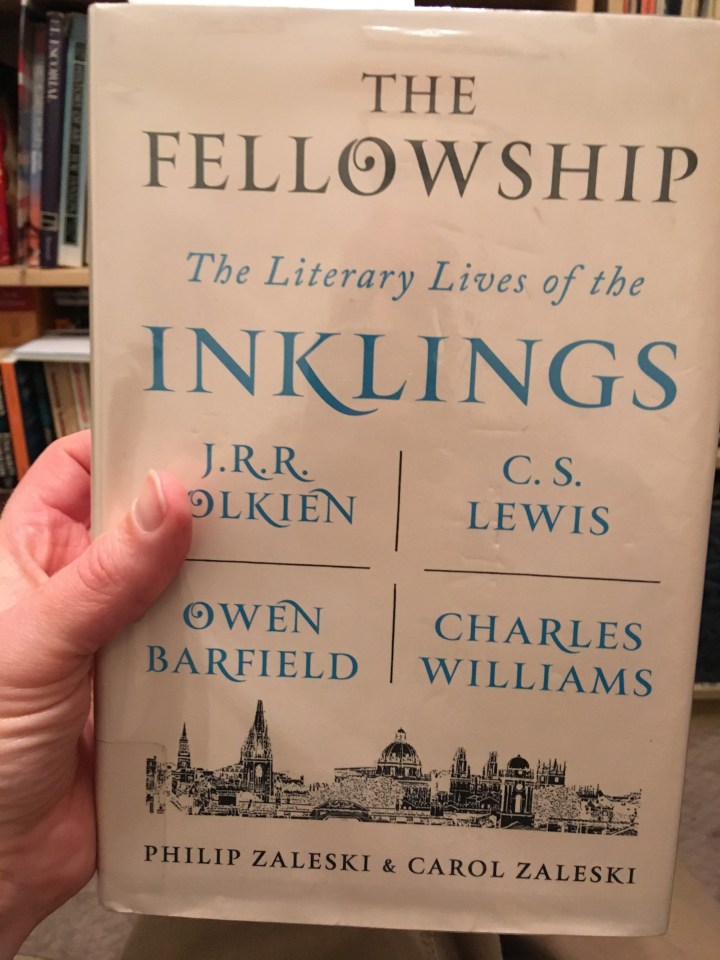
This is a somewhat half hearted effort to convince the reader that Barfield and Williams are at least half as important as Lewis and Tolkien, undermined by the authors’ own apparent lack of belief in that aspect of the project and by a consensus of opinion which they seem disinclined to challenge.
Towards the end, they set up poor Barfield, by describing his intent to meet the challenge laid down by his peers’ successes and to write his magnum opus. It’s a big set up, narratively, but ends with the admission that few liked it and barely more than that even noticed it was written.
Structurally, they probably could have just focused on Lewis and Tolkien and then included a wider variety of other Inklings.
But, I learned a lot about them and it was interesting, because I like Tolkien and Lewis. I like ’em a lot.
The Zaleskis, without becoming prurient or even mentioning it again, makes a good argument that Lewis and Mrs. Moore were having a sexual affair, which convinced me. It doesn’t change my opinion of him, it’s merely nice to have some resolution, in my mind, on the matter.
Likewise, I had not realized just how devoutly Catholic Tolkien was nor how important it was to his Middle Earth novels (he went to mass daily for most of his life).
But… I can’t help but be a little disappointed. I had been hoping to learn about another Bloomsbury group or another Transcendentalist circle or another Paris in the twenties, instead, learned about a group of intelligent and interesting academics, two of whom happened to become very, very famous and were very important writers. And I put the book feeling that the authors didn’t really like the works of Lewis and Tolkien all that much, which feels almost like a personal insult to one such as I, raised on Narnia and Middle Earth (though they seemed to like two lesser read Tolkienalia, Farmer Giles of Ham and The Smith of Wooton Major, both of which I loved and read over and over again as a child).


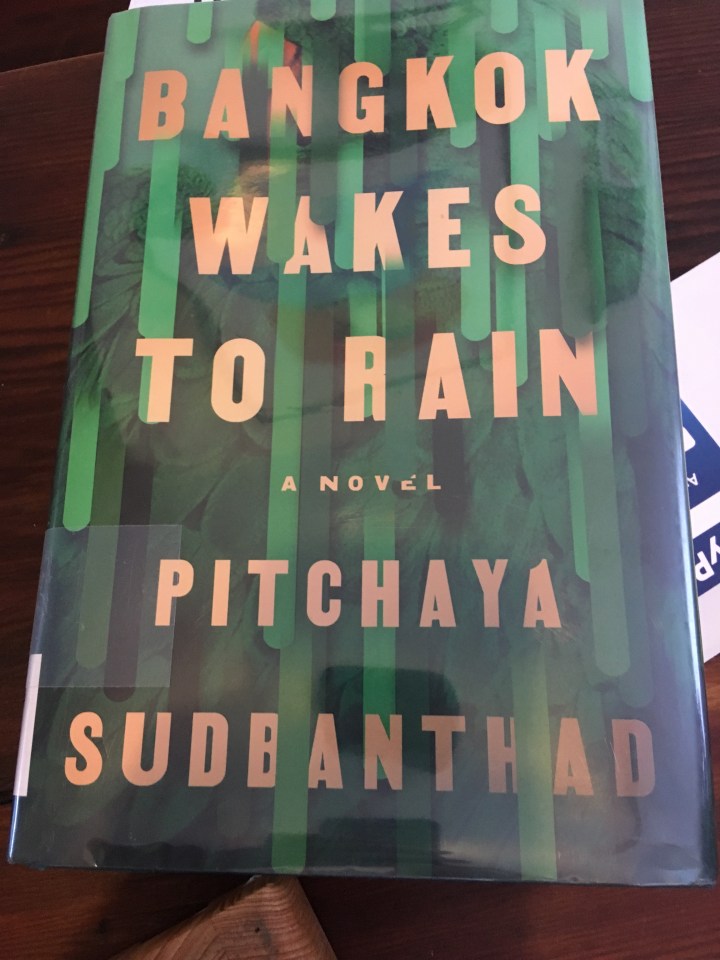 I am inclined to want to like novels and about Thailand. And it is a good novel. It is a multi-generational novel that skips back and forth in time and is a perfect example of contemporary ‘world fiction.’
 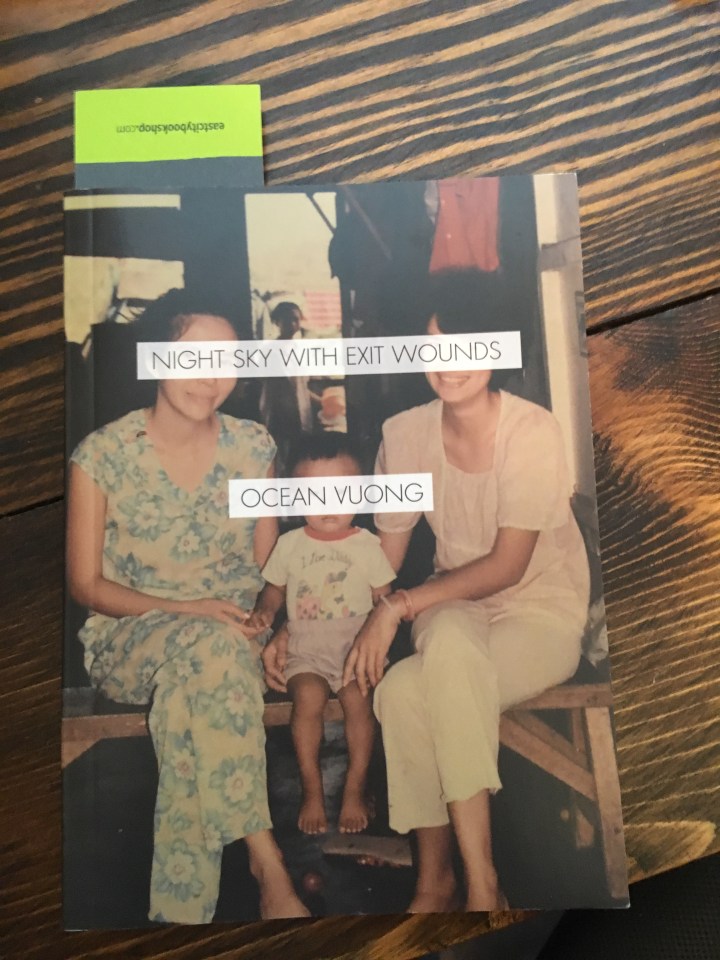 This was book and Vuong were very heavily hyped (if, like me, you exist in the world of regular poetry readers and consumers of poetry news) and my first reaction was, ‘wow.’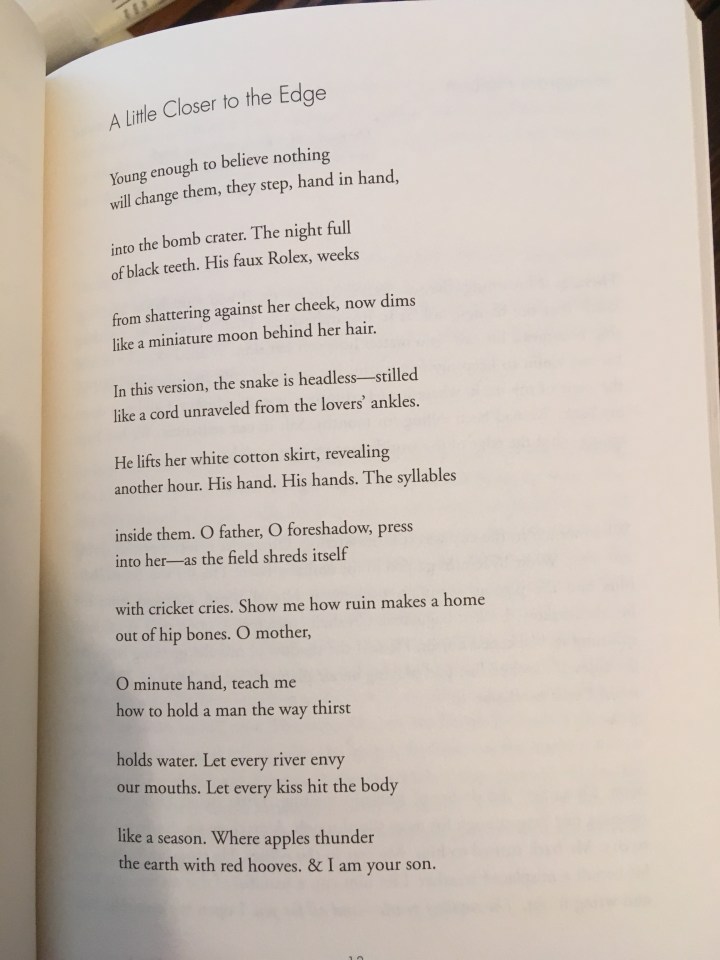
 I no longer remember where I heard about this book, but it stuck in my mind as something I should read if I got the chance.
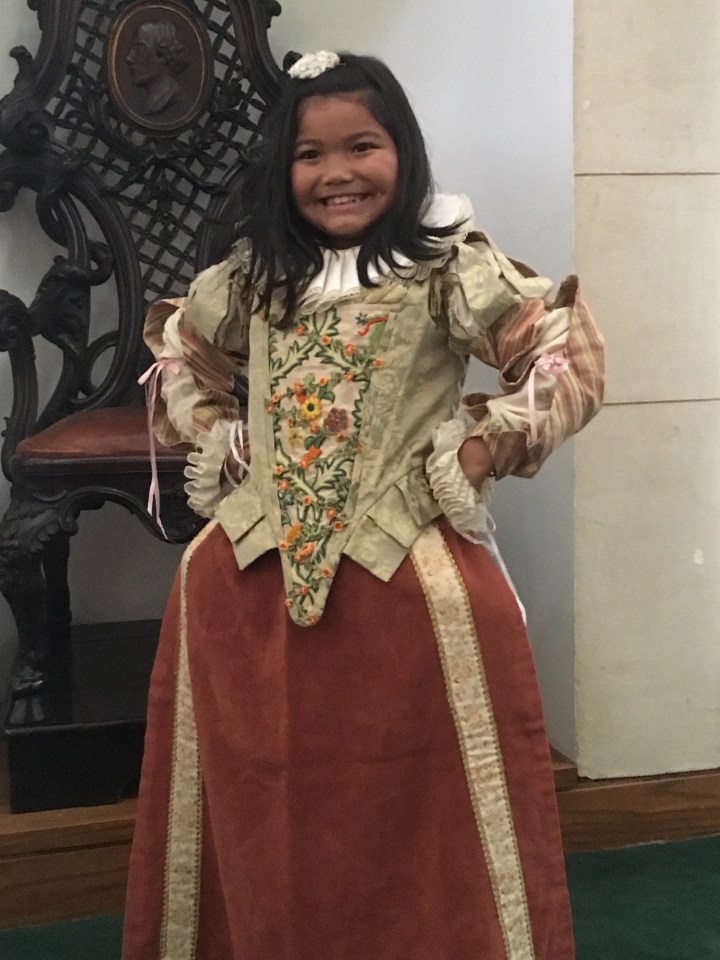
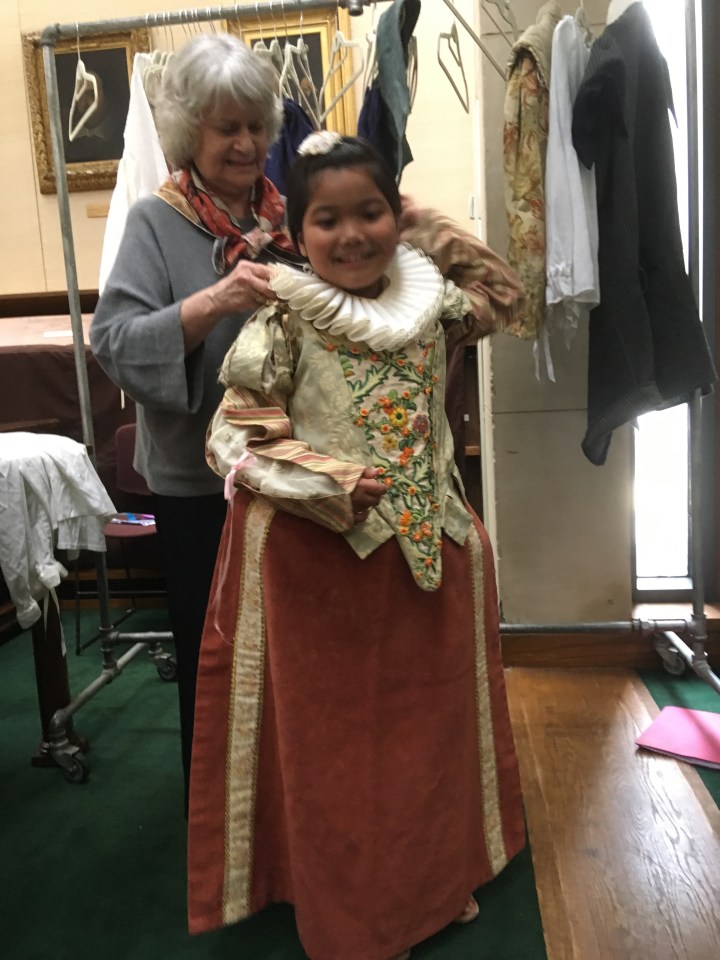
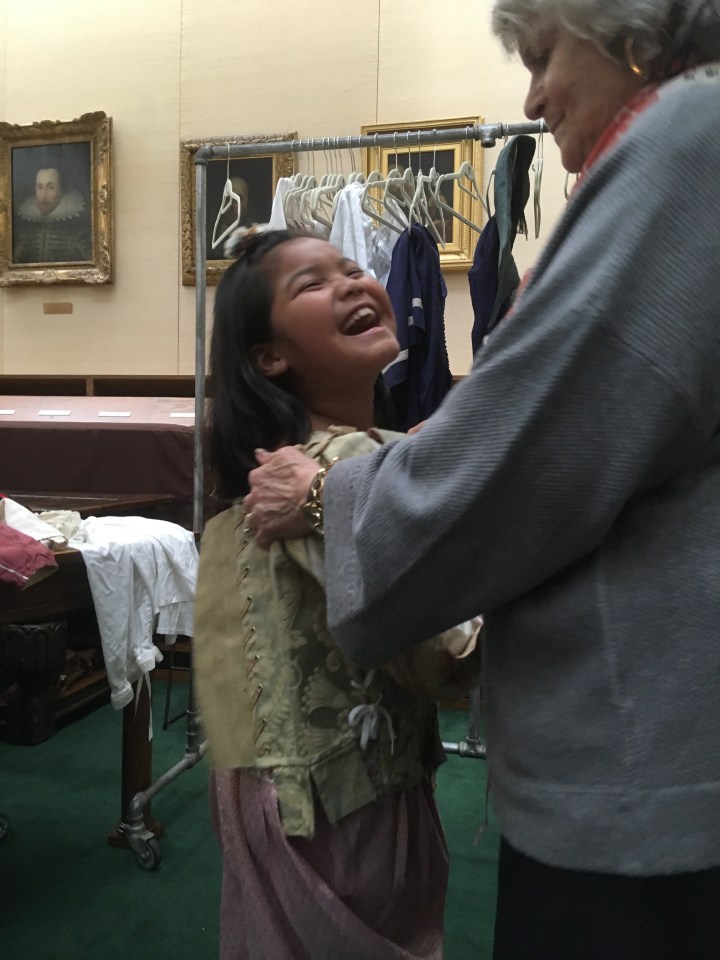
 Thank you, Uncle Phil for giving these to our little one!



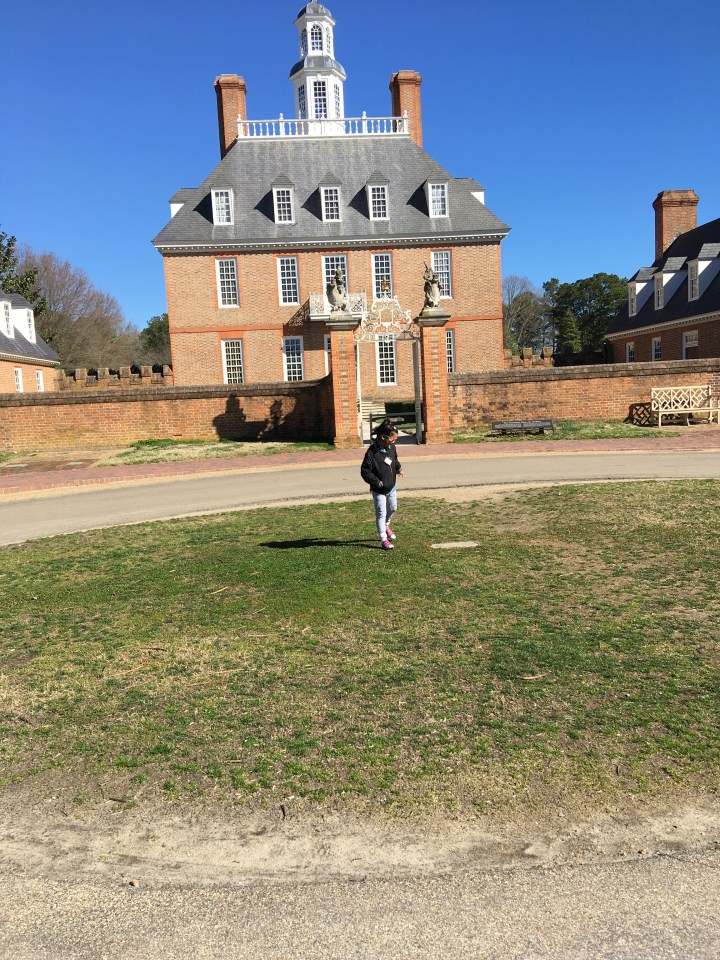

 I can’t exactly say what inspired me to read this book, except that I live with two of Asians (one of whom is an eight year old ball of cute crazy, though not particularly rich). I also saw the movie, yes, and liked it.
 While dipping into the first few pages of some fifteen hundred odd pages of Gore Vidal essays, I was pleased to see that the inveterate name dropper seemed to admire and appreciate Paul Bowles.
 the coffee philosopher