I Am Killing The Art Of Writing Letters


Of course, I am writing this from that quintessentially sloppy and temporary platform, the blog, but I agree with this man that the death of longform letter writing is a tragedy.

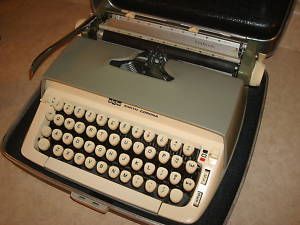
A while back, I was trying to write letters on my old-fashioned, manual typewriter (though that mournful essaying speaks of writing longhand).

But did I stick with it? No, I did not. I have hardly typed in a month. When I do, it is to get a better view of some poems I might be working on. Which is why I’m not using this post to pretend I will take an instrument that is mightier than the sword and swat the armies of ignorance. I will keep as I am and mourn uselessly for what has been lost.

Origin Of Amazon


But Epstein could not fathom that the appeal of holding a physical book in one’s hand would ever diminish. Instead, he dreamed of machines that would print on demand, drawing upon a virtual library of digitized books and delivering physical copies in, say, Kinkos all across the country. The bookstores that might survive in this scenario would be essentially stocking examination copies of a representative selection of titles, which could be individually printed while customers lingered at coffee bars awaiting the arrival of their order. Ultimately, Epstein would devote himself to this vision.

Has he definitely failed yet?

Or is there still hope?

Weekend Reading – School’s Out


Hopeful lines out of character for these downbeat poets.

What Albert Barnes actually wrote about modern art.

A new argument for hating Thomas Kinkade.

Werther


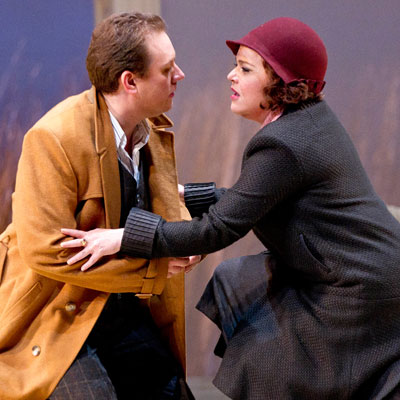
The other week (May 25th, to be exact), I went to the Washington  National Opera to see Jules Massenet’s Werther. Having only recently read the Goethe novel upon which it was based, I was a bit excited.

Massenet is not among my favorite composers, by any means, but I enjoy the works of those great French composers who followed him and built upon his work, like Debussy and Saint-Saens.

Overall, the two leads (Werther and Charlotte) were strong singers, but the opera itself, frankly, lacked.

In terms of the production, the 1920s style costume and design, were present, but not used to add anything to the opera, so I’m not quite sure what the point was.

But mainly, when I say the opera lacked, I mean the music and libretto. And mainly, I mean the first half.

The opera ends strongly, with the two singers pouring their hearts out in some truly moving duets. But the first two acts are rambling and have  a lot of loose ends. For example, there are two friends, drinking buddies of Charlotte’s father, but heck if I know what their dramatic purpose was. I can’t even remember if they appeared in the second half and if they did, they certainly didn’t have much to do. So why were they there, except to fill up space and time?

Massenet is accounted to be famous for his ability to match music to the conversational pace and cadences of natural conversation, so that the singing comes across as unforced and natural. Which it did. But Werther is about all-consuming, tragic, deeply romantic love and not about the rhythms of life in an idyllic French countryside. So push the musical envelope a bit, eh? Like those two disappearing characters, I don’t really know what the point was to a lot of the early music.

So, some excellent singing, but in a flawed opera.

You can read the Washington Post‘s review here.
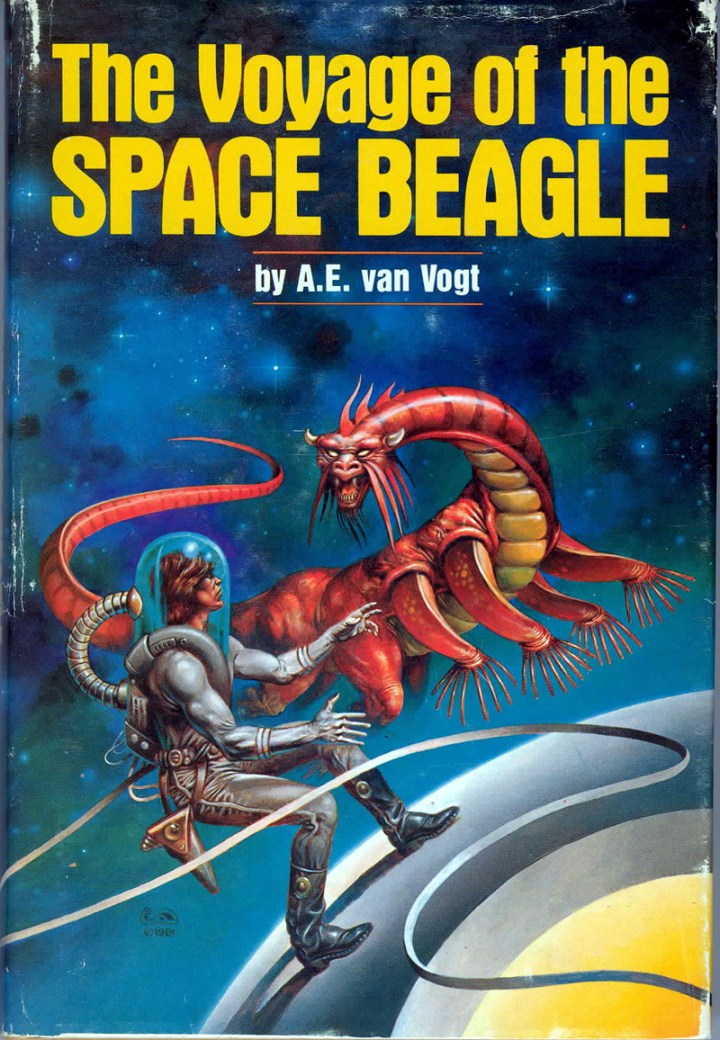
Midweek Staff Meeting – The Space Ether Will Give You The Power Of Flight


The (contested) evolution of English.

DC has the fifth best park system in America!

Science catching up with science fiction?

Tuesday Morning Staff Meeting – Digging The Scene


The next big place for music.

I couldn’t have quit so easily.

How PR f–ks up science reporting.

The Nerd’s Guide To Reading…


…science fiction.

…fantasy.

L’Entranger


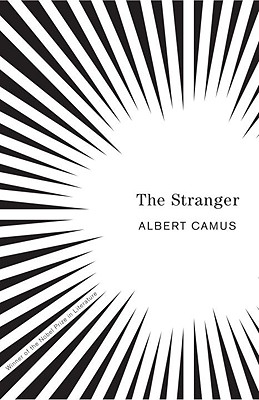
Firstly, check out this article about translating Albert Camus’ alienated classic, The Stranger. I’ll wait.

Done? Good.

I remember very clearly back in 1992 when I was in high school, my friend Matt telling me about the new, Matthew Ward translation. Part of what he told me was about how Ward was trying to capture the colloquial, ‘American’ style that he believed Camus was aiming for. And then he told me about the line.

On a purely nostalgic level, Mother died yesterday cannot be beat for it cultural cachet, which, of course, made Ward’s change so massive.  It felt like editing It was the best of times, it was the worst of times (though I should add, that book was among Dickens’ worst and there’s no good reason for people who aren’t Dickens completists to just skip over it).

We were all would-be existentialists at that age (and would-be communists, anarchists, and beatniks, as well, never mind the contradictions because we were teenagers) and Camus had a powerful hold on the imagination, especially with those iconic photos of him at his Humphrey Bogart-esque best with the dark overcoat, half smoked cigarette, and weary/sexy face (yeah, I’m heterosexual, but you can’t tell me Camus wasn’t a sexy man – http://www.newyorker.com/online/blogs/backissues/camus.jpg)

Suggestions For Next Season


Weekend Reading – My Vocabulary Did This To Me


Warren Buffet saves the news!

An educated vocabulary is not a crime.

There is more in philosophy and history than is dreamt of in your science, Horatio!