 This was on my ‘wishlist’ for a while after reading about this Polish fantasy series. Only later did I learn it was the inspiration for The Witcher video games (which are exactly the kind of game I like to play but which I will probably never play at this point in my life).
I bought this after visiting a Barnes & Noble. I hadn’t planned on getting anything, but one of the staff was so nice and patient with my daughter, helping her with some arts and crafts materials they had set out, that I wanted to reward the store’s bottom line a little, so I bought this for myself and a couple of books for the little one.
Now, I will admit that I had already watched the Netflix series when I started this book. Even though this is the first of Sapowski’s Witcher books, it actually takes place after the events of the series, so there were no serious spoilers, in that regard.
Enjoyable and fun. It is fashionable now to compare fantasy always in terms of Game of Thrones, so I’ll bite. More fun and with a more manageable, but without as much of that special thing that elevated Martin’s still incomplete epic.
And I don’t see anything uniquely Polish about that mythology. Now, I don’t know Polish folk traditions, so I would have expected to find somethings I didn’t recognize, but didn’t really. What I did see where many tropes from Dungeons & Dragons.
It felt… I don’t want to say unfocused. Perhaps… leisureful? Full of leisure. A point to which he was aiming, without necessarily being in a hurry to reach it. The ending was more than a little ambiguous and clearly the story isn’t nearly done.
Also, Blood of Elves is not really a very good title for it. Sure, the topic of those words came up and I can see how they could be even more relevant for a future book, but for this one… no.
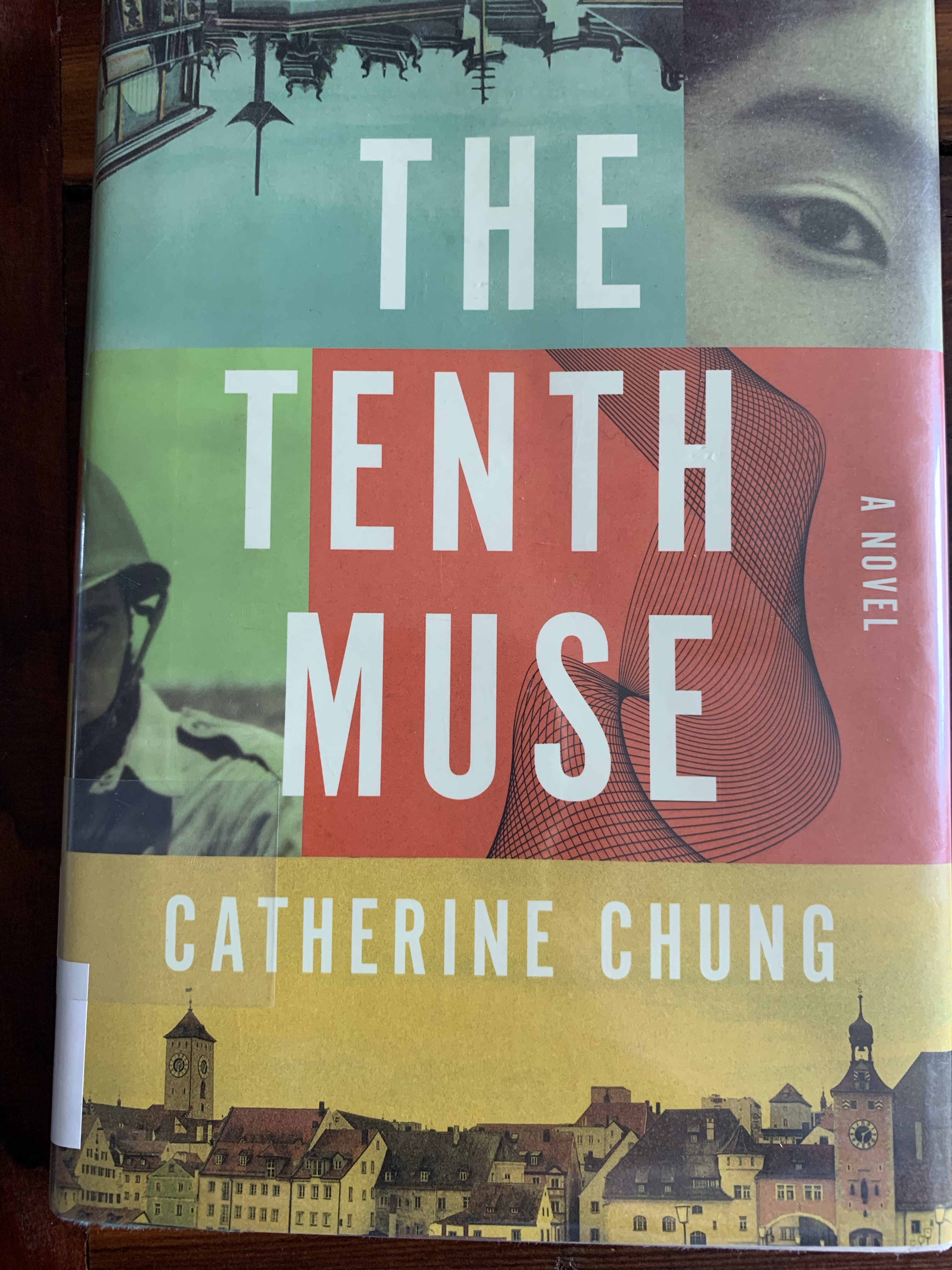
 Don’t mean to keep harping on this, but like its
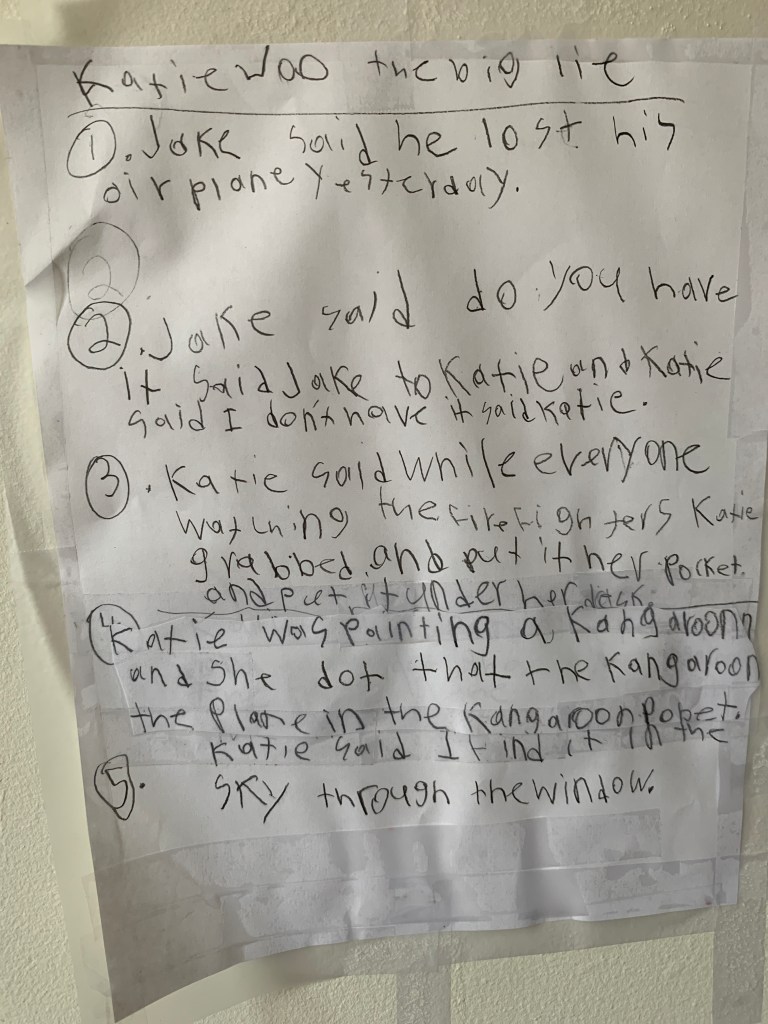
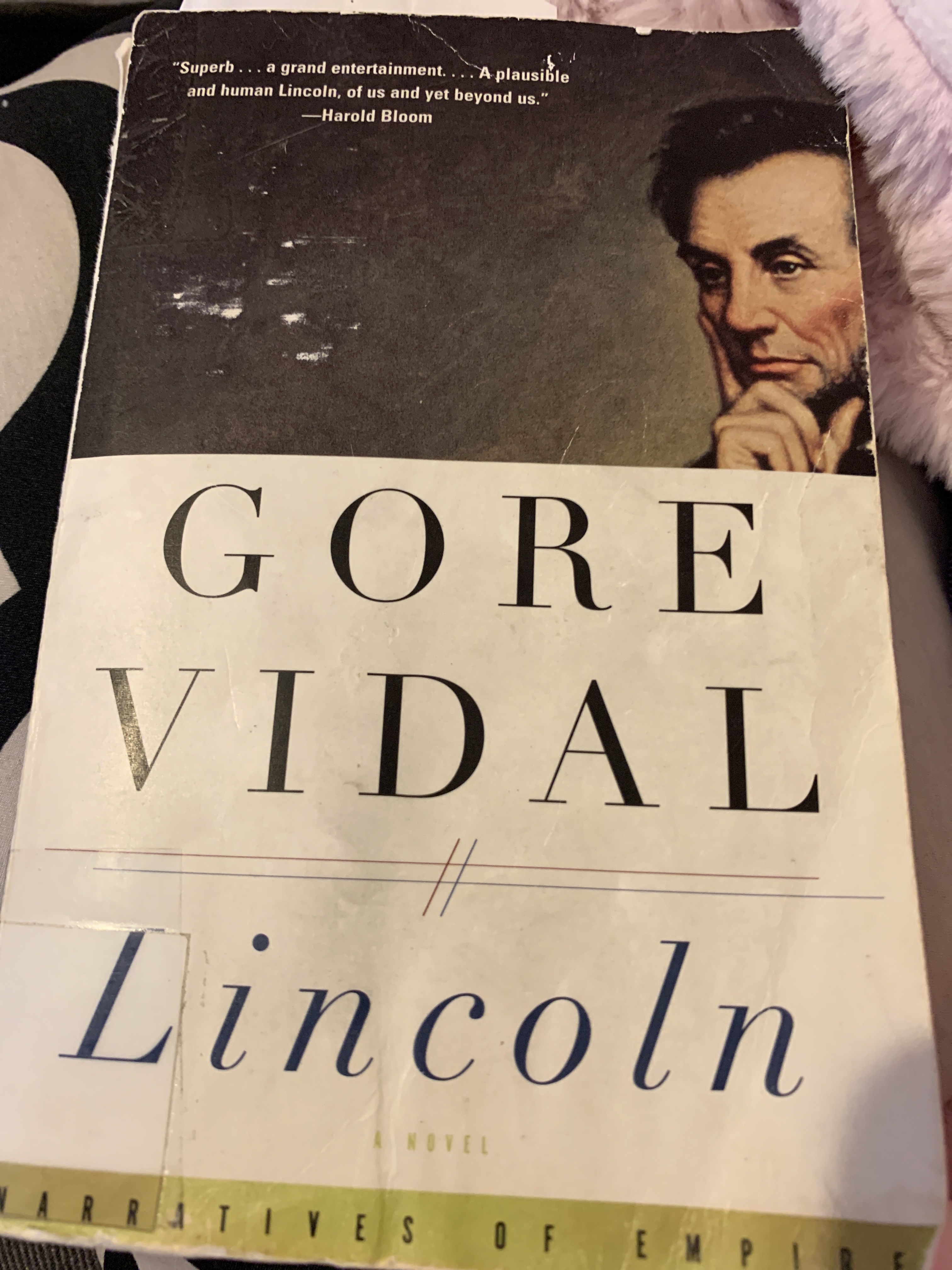 One of his most famous novels (second only, these days, perhaps, to Burr), but I was somewhat disappointed. The quality improves immensely towards the end, but I am trying not let the magnificent writing of the last quarter of the novel (and recency bias) to make me overlook the first seventy-five percent. Part of the improvement is that he mostly drops – until the very end – a subplot about one of Booth’s fellow conspirators: a callow fellow named David. The less of him the better!
 I read this before. Or most of it. I can’t remember when, but it must have been long enough to go that plenty was surprise to me, though not the broad strokes.
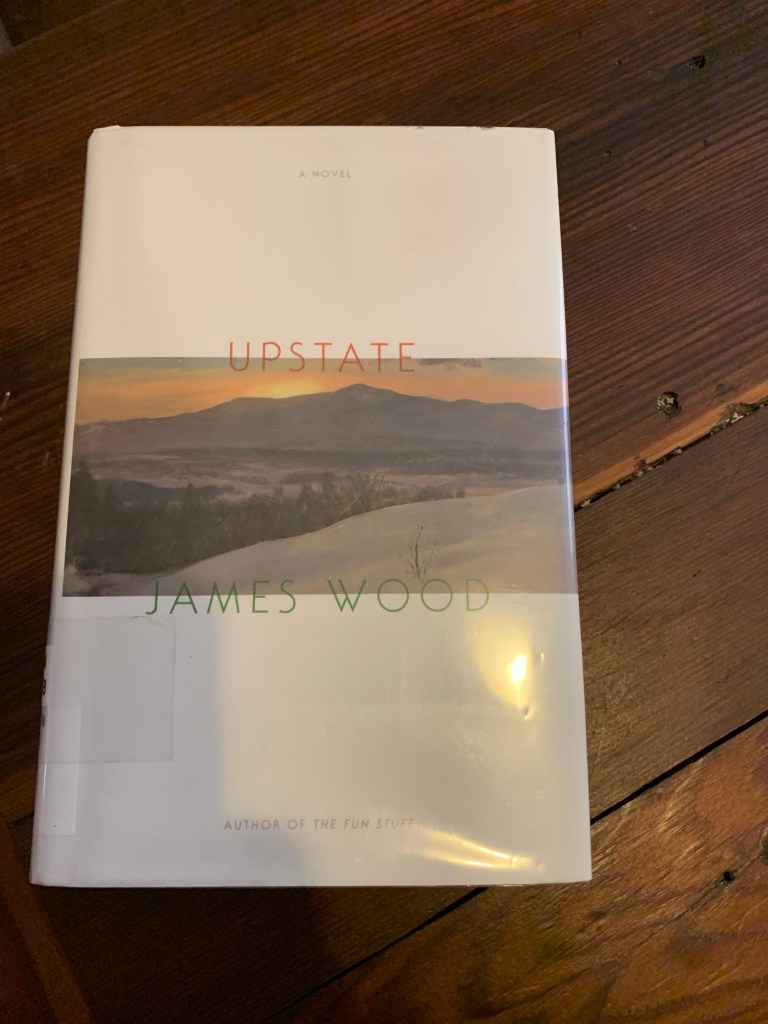 I previously only knew the late critic as a critic, but in the post mortems on his career, this novel was mentioned.
 This third Tek novel combines cyberpunk neo-noir with kitchen sink melodrama and denouement that’s so bats–t crazy that words fail me, but it does involved star crossed teenage lovers, a vengeful android in the shape of his creator’s dead brother, and a drug trade funded terrorist organization devoted to placing England under the presumably benevolent rule of King Arthur II. And I guess they decided to end the novel without talking about how the hero slept with his girlfriend’s friend (who also built the homicidal android), so I guess that means she never finds out and monogamy is overrated in the future.
 the coffee philosopher