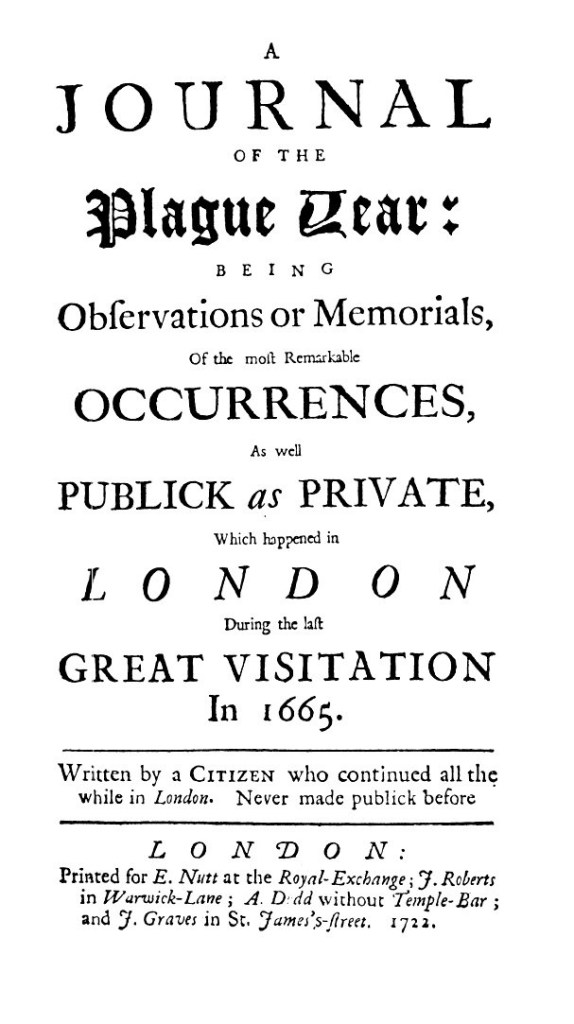
This is the second time I have read Defoe’s A Journal of the Plague Year. The first time was when I was a young man (late teens? twenties?) and was only the second book by Defoe I’d ever read (true to this day; the other being his book of the English Civil War, Memoirs of a Cavalier; incidentally, the use of ‘a’ rather than ‘the’ is interesting; I am reminded of C.S. Lewis’ A Grief Observed, wherein the use of the indefinite pronoun and the implied rejection of a certain authorial omniscience makes the works feel more trustworthy). Read more
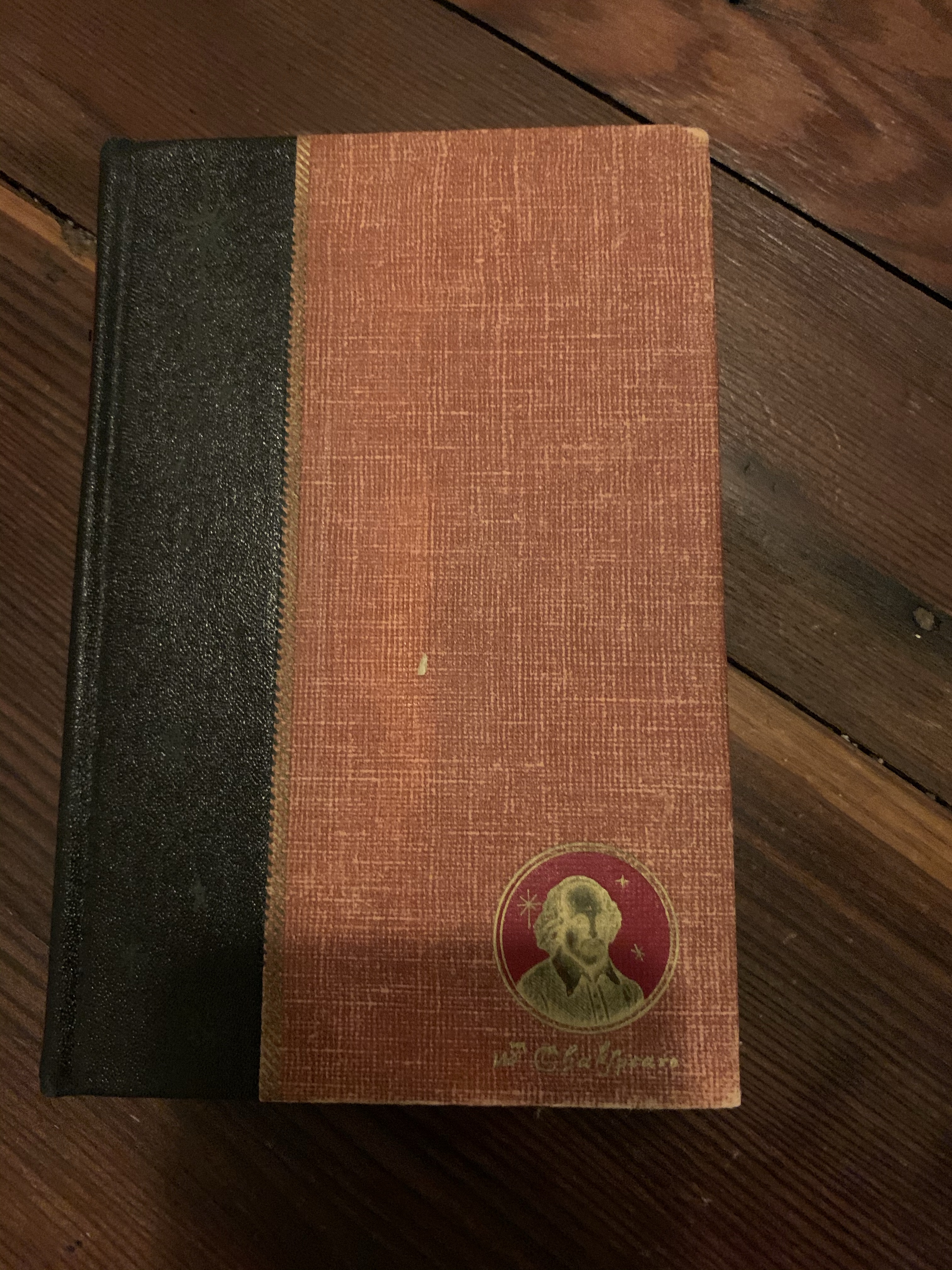 I picked this up before the pandemic hit (or at least before we knew it was hitting). I am sure that I have read A.E. Housman before. I didn’t read it for a while, but it has been something I have been keeping nearby lately and reading from. I even read it to my little one during dinner (poem XVII, which opens with a stanza about football [which I changed to ‘soccer’ when I read it my little soccer fan]).
 To me, the heart of her argument’s current value (assuming that we can all agree that women are not inherently inferior to men and don’t need to be told that anymore; though it is still almost certainly true the we do still need to be told) is an educational one (perhaps why she take special offense at the educational writings of Rousseau). Proper education leads to people of any gender becoming fully moral creatures. The failure to properly educate women leads to them lacking, in most cases, full moral agency. At the same time, the rearing of children, who we want to be grow into moral creatures, is left to them, so shouldn’t we educate them properly so that they can raise the next generation of moral agents?
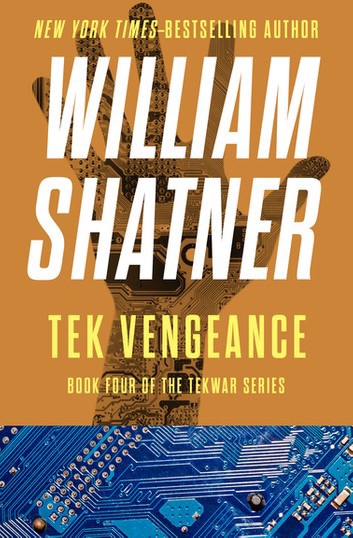 I got back and forth on these Tek novels (inexplicable, save for my deep love of William Shatner, who didn’t actually write these novels). Today, I’m feeling generous towards the compulsive storytelling and decent chemistry between the middle aged, but still vigorous and athletic, Jake Cardigan, and his partner in the future world of private eyes, Sid Gomez.
 the coffee philosopher