Richard III


So, the body found beneath a car park in Leicester is, in fact, Richard the Third.

When I was fourteen or so, I developed an odd obsession with the Shakespeare play about Richard. I bought a beautiful little hardback, blue cloth bound copy and memorized the opening soliloquy (I can still do a great deal of it today) and stayed up late to record on VHS, Laurence Olivier’s movie version of the play from WEDU (our PBS affiliate).

Rest in peace, Your Grace.

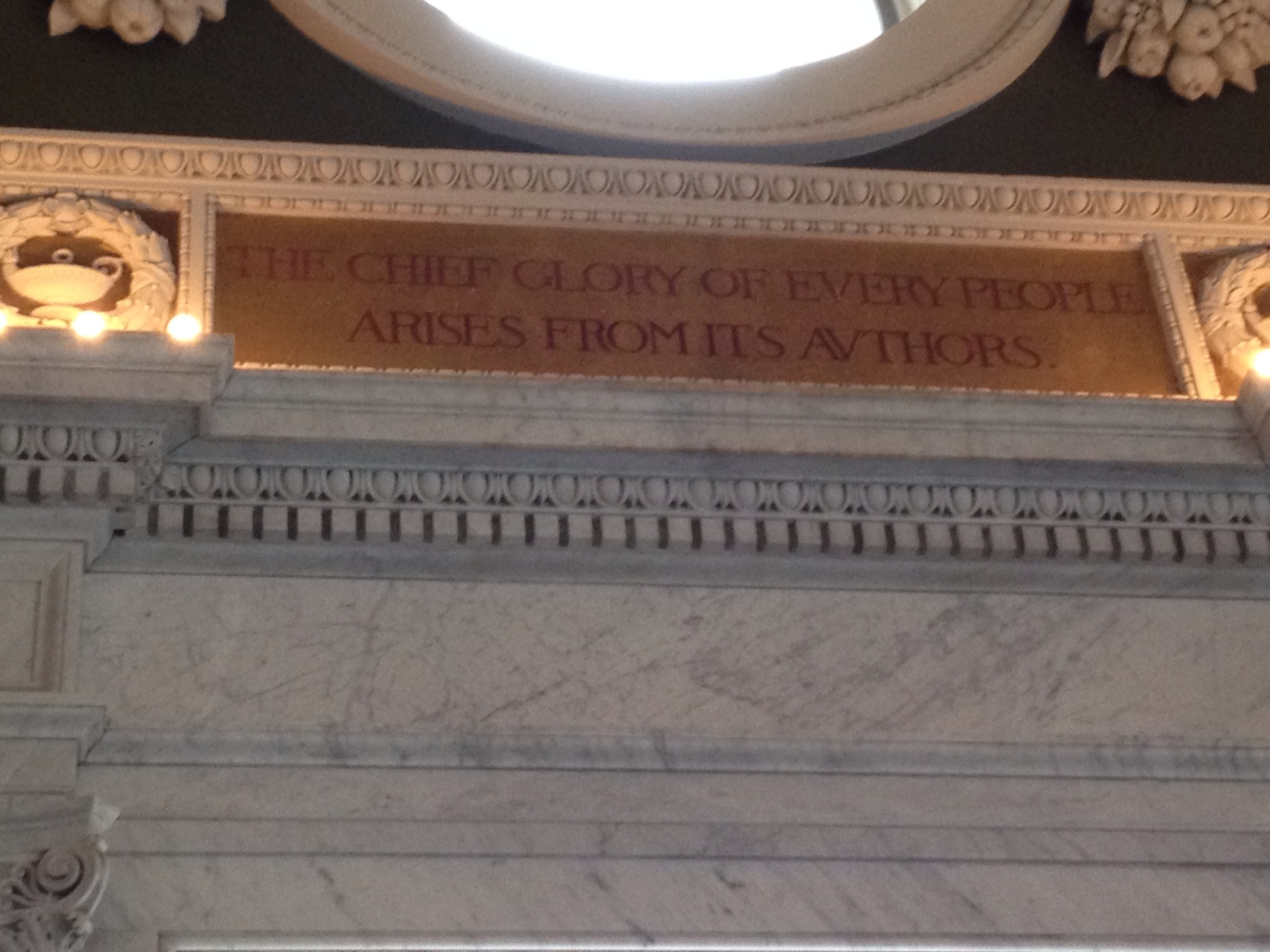
The Chief Glory Of Every People Arises From Its Authors


photo-2What a marvelous sentiment!

‘The chief glory of every people arises from its authors.’

I took this picture while visiting the Jefferson building of the Library of Congress with my better half’s father.

Is it true?

In a thousand years, will people remember George W. Bush? Steve Jobs?

Or will they remember Mark Twain?

The glory of Greece and Rome is as much in Homer, Cicero, Plato, and the idea of a Republic and Democracy as it in roads, aqueducts, and temples, however glorious.

It Could Have Been Different


Maybe if San Francisco had named their team after an American literary icon instead of an era of rampant greed and pillaging of the land, things might have gone differently.

The San Francisco Beats, perhaps?

The Cloisters


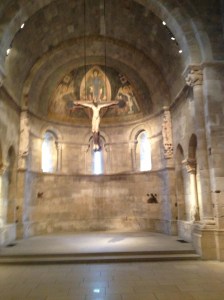
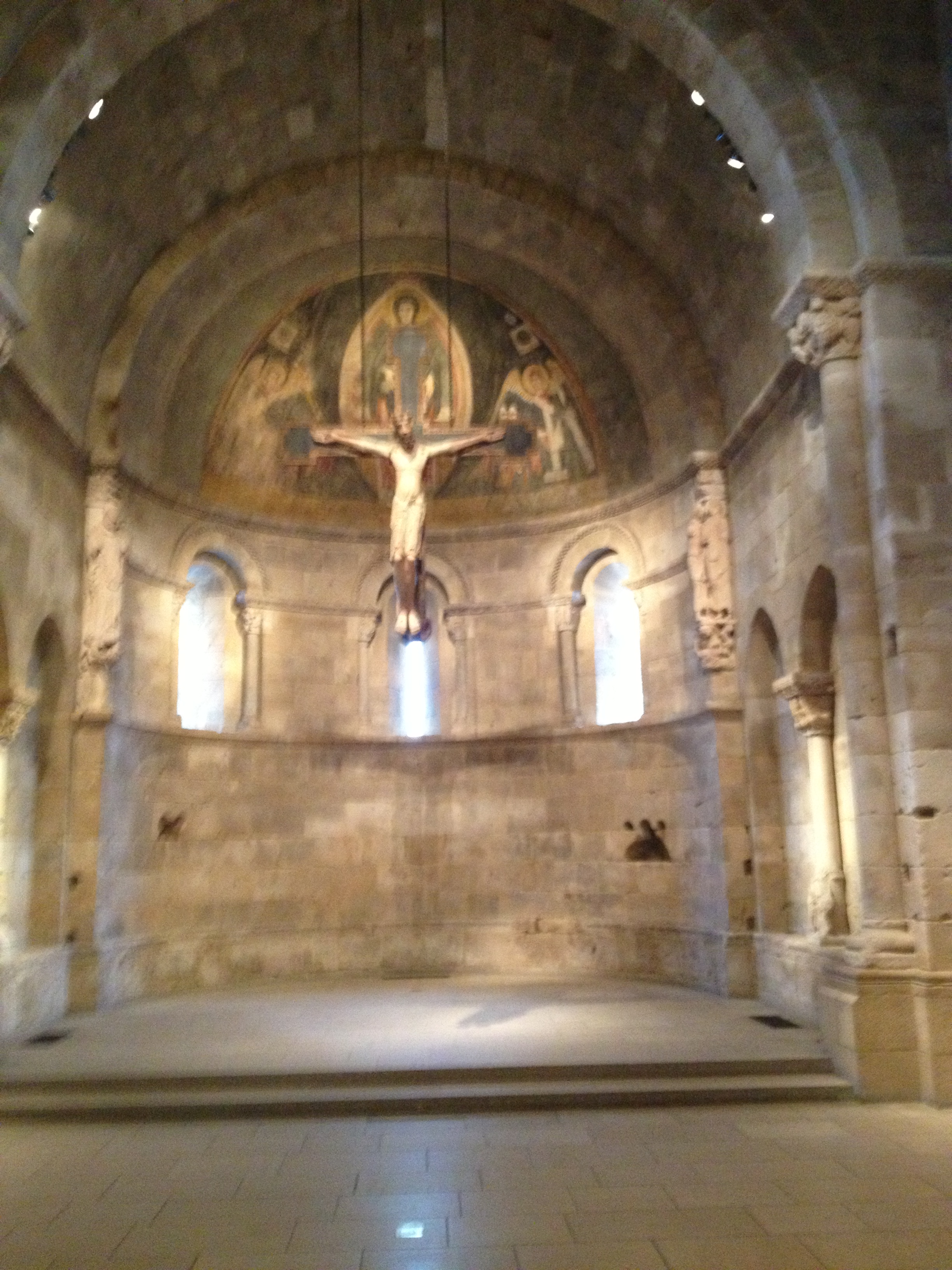
photo-4The Cloisters are a beautiful museum, filled with some of the most amazing sacred art from the high middle ages.

The entire place left me feeling uncomfortable.

Did you know that I’m vegetarian? Did you know why? I was in college and I stopped by my father’s house to raid the fridge and when I opened the freezer, looking for a tv dinner, I saw shelf after shelf filled with great, red chunks of meat. It seemed as if an entire cow might have been slaughtered and stashed in that fridge. The sheer mass of it struck me, by driving home the truth that a living, feeling creature had died so that we might have beef three times a week. That was when I quit.

The picture you see is off an apse taken from a Spanish church. The entire apse disassembled, removed, and then reassembled in New York.

The building is filled with such things. Columns. Door ways. Cloisters. Meeting rooms.

Also altars. Lecterns. Reliquaries.

More. Hundreds of items.

Things taken from churches and monasteries across Europe. Items that were, literally and formally blessed and sanctified. And not just formally, but objects used in the worship and devotion of how many generations? Taken from monasteries sanctified not just from a bishops prayer and holy water, but by the blood and bodies of thousands of monks and nuns who lived and died in those abbeys.

There was an altar and all its trappings and chairs were set up for those who wished to formally respect it. There was a picture of the church from whence they were taken. It was still standing. That church hadn’t been otherwise destroyed. That altar could still have been used for worship, had it not been moved.

The volume was overwhelming and, for me, with rare exceptions, the place felt very secular.

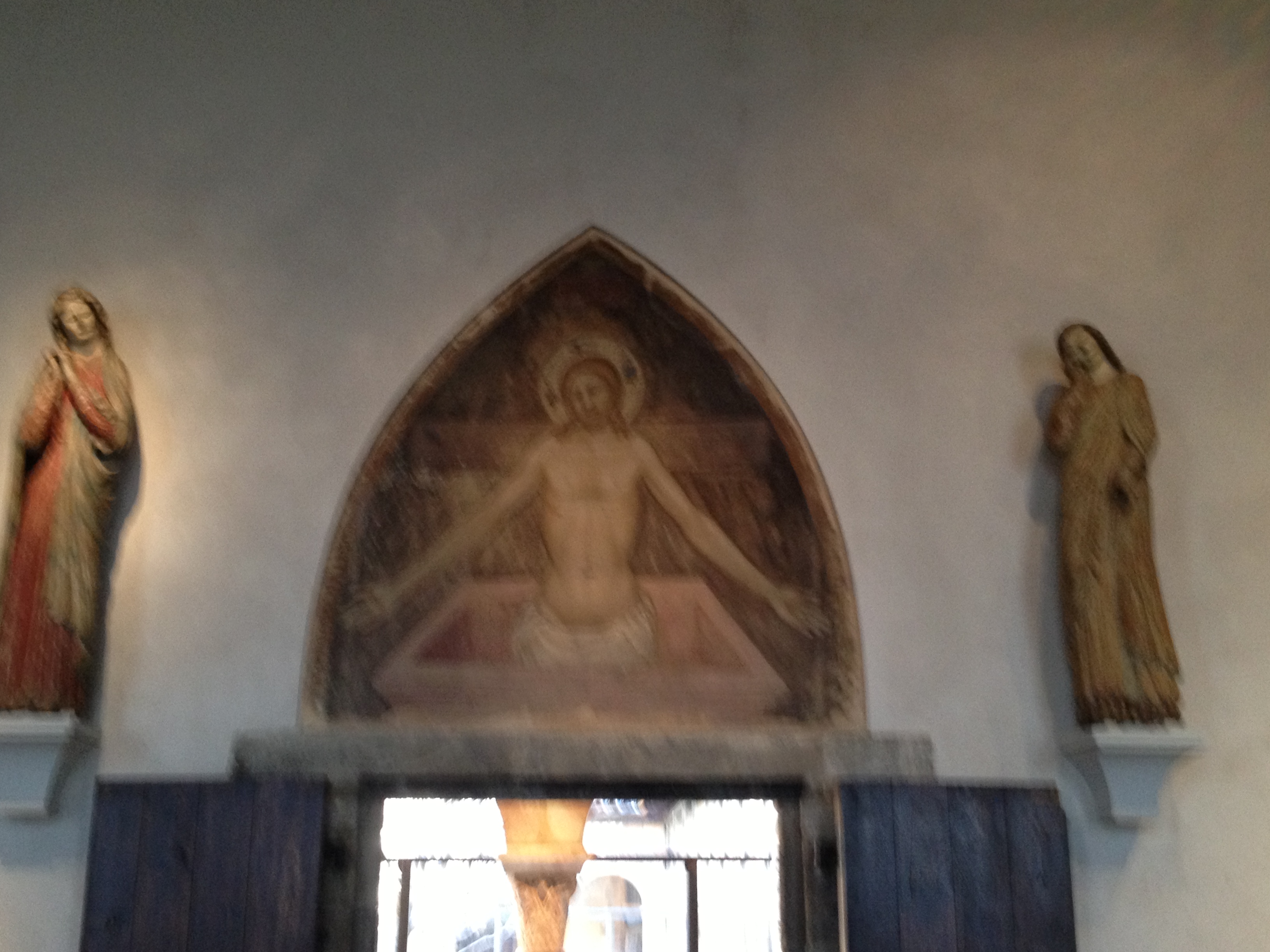
Only a single spot, some art on the wall above a doorway, felt at all holy to me.photo-3
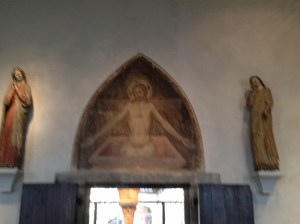
The art was beautiful and I’m glad I came, but…

I went to the Rubin Museum later during my visit to New York City. The Rubin is a museum dedicated to Himalayan art. Essentially, Tibetan art (some work from Nepal and Bhutan and India, but Tibetan culture is at the center of the museum). I realized that the act of collecting the sacred art that was exhibited in that museum was different because of the unique and tragic nature of Tibet’s occupation by China and the Chinese government’s efforts to eradicate Tibetan culture, particularly it’s religious culture. Collecting and preserving that art could be viewed as a means to protect it from destruction or at least usurpation and shameful manipulation by the Chinese government.

But last I checked, western Europe was relatively free from Chinese occupation, excepting tourists.
Poet’s Corner


poetscornerReading this little bit about the demise of Edmund Spenser pulled me up short when I came across the phrase ‘Poet’s Corner.’

Of course, this is a corner where poets are buried, rather than where they are honored when they are alive. But what a beautiful idea. Why doesn’t our nation’s capital have a poet’s corner where poet’s can speak truth and beauty.

Weekend Reading – There Are Different Kinds Of Freedom


5918-Nunberg-cabinetNote taken.

Achieving Keynes’ utopia.

Which ‘self’ is helped by self help books?

Am I a clown?

Build a better library.

The Sunday Paper – Freakin’ Texas


IMG_2599Sexism (and harassment) are too prevalent for comfort in male dominated university philosophy departments.

That’s right: the first ‘book-less’ library is in, you guessed it, Texas. Apparently, the Texas GOP has decided to  turn the lemons of their embarrassingly low literacy rate into the toxic lemonade of deciding to save money on buying books.

Rethinking decline.

Midweek Staff Meeting – For Good Or For Ill


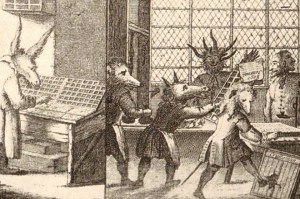
edmund_curllAs the printed word killed the written word…

Heavy, smelly, cumbersome.

Pope vs Curll.

A lot of nerds out there. And that’s a good thing.

Midweek Staff Meeting – The Rumble In The Journal


5917-Books-WomenKuhn versus Popper.

The habits of the Victorian reader.

What is ‘Yellowism?’

The makings of a successful chapbook press.

Old Magazine Articles


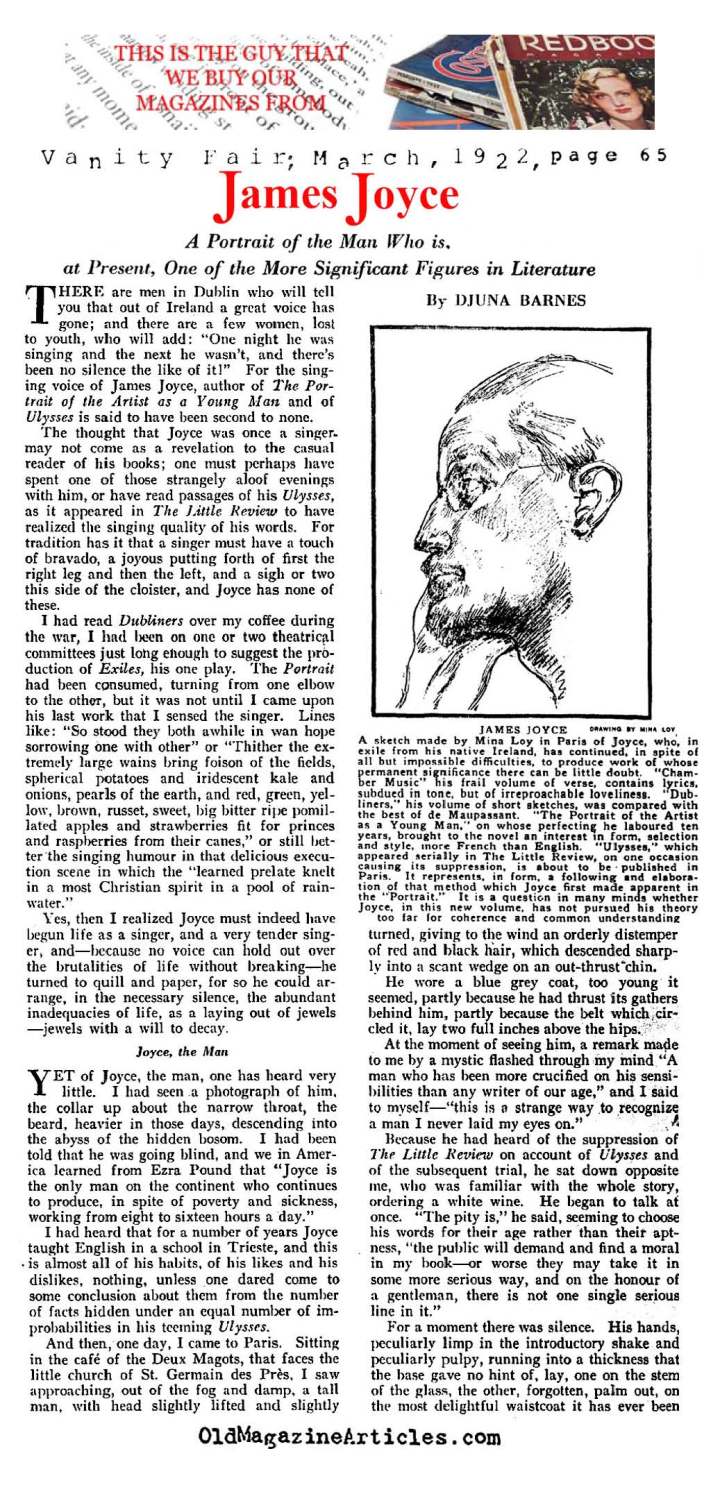
I’m just pitching this website, Old Magazine Articles, which collects (mostly PDFs) of old magazine articles.

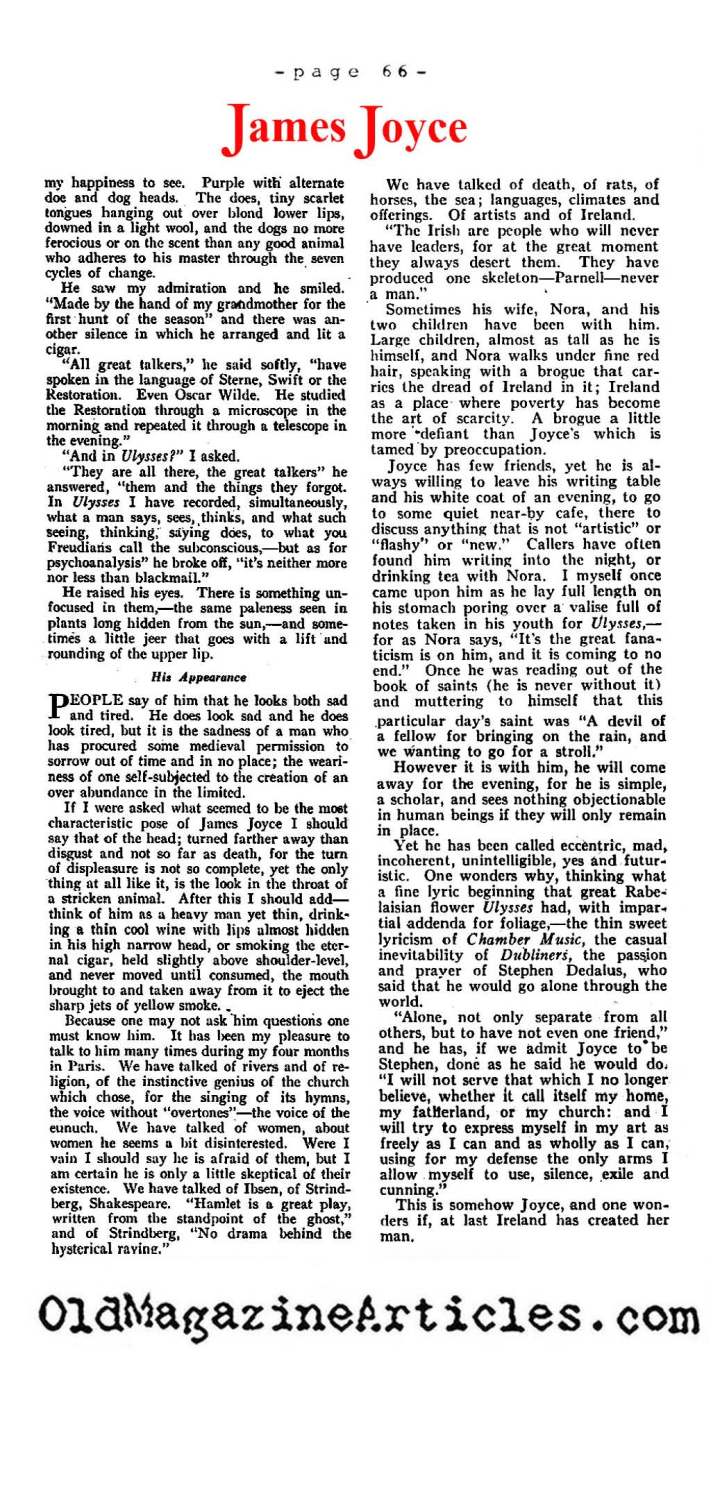
I came across via an article iy posted, a little character piece, but written by Djuna Barnes (of Nightwood fame) about James Joyce (of too much fame to mention).

This Vanity Fair article from 1915 on Marcel Duchamp in New York City or this 1935 article about the rise of secularism in America (not a new topic, as you can see)… so much to explore.