Weekend Reading: Community
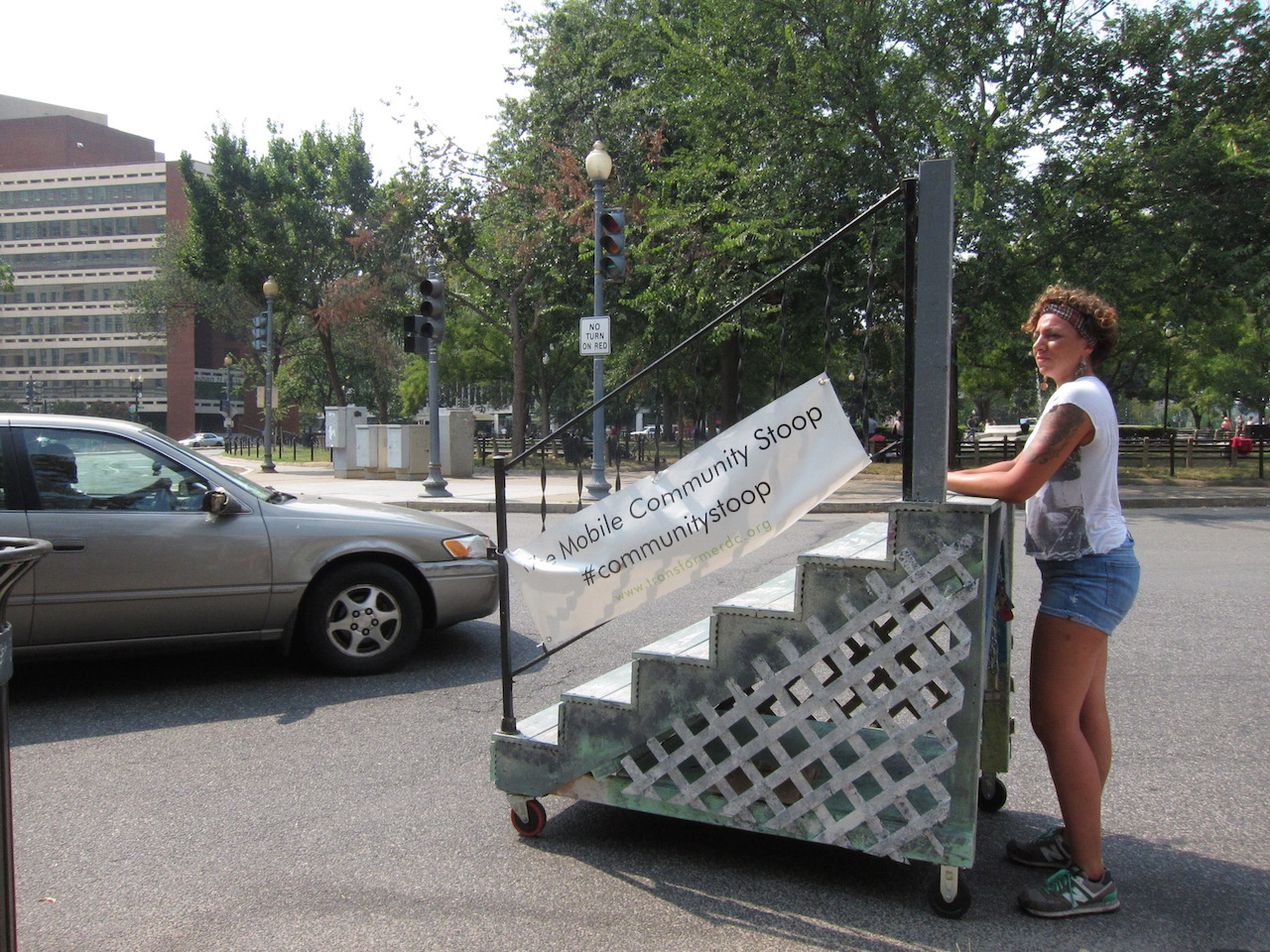
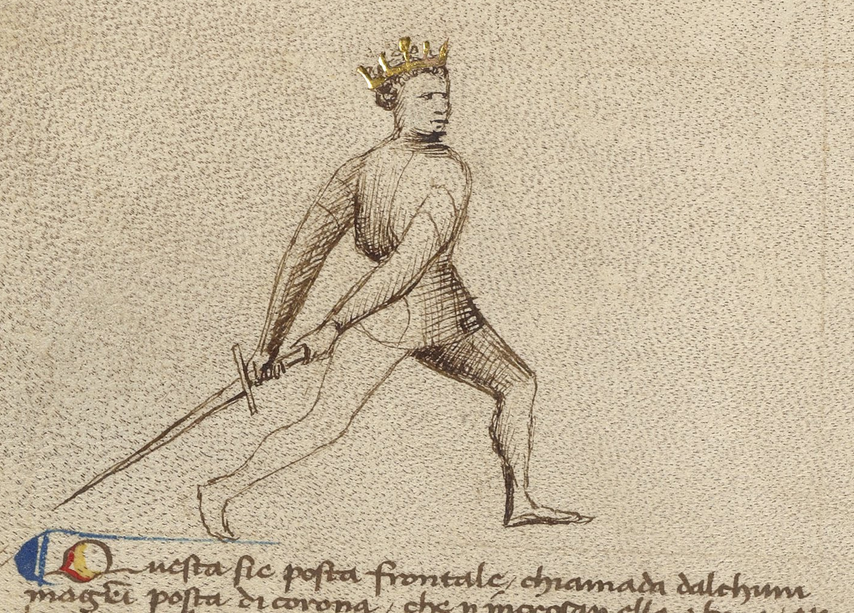
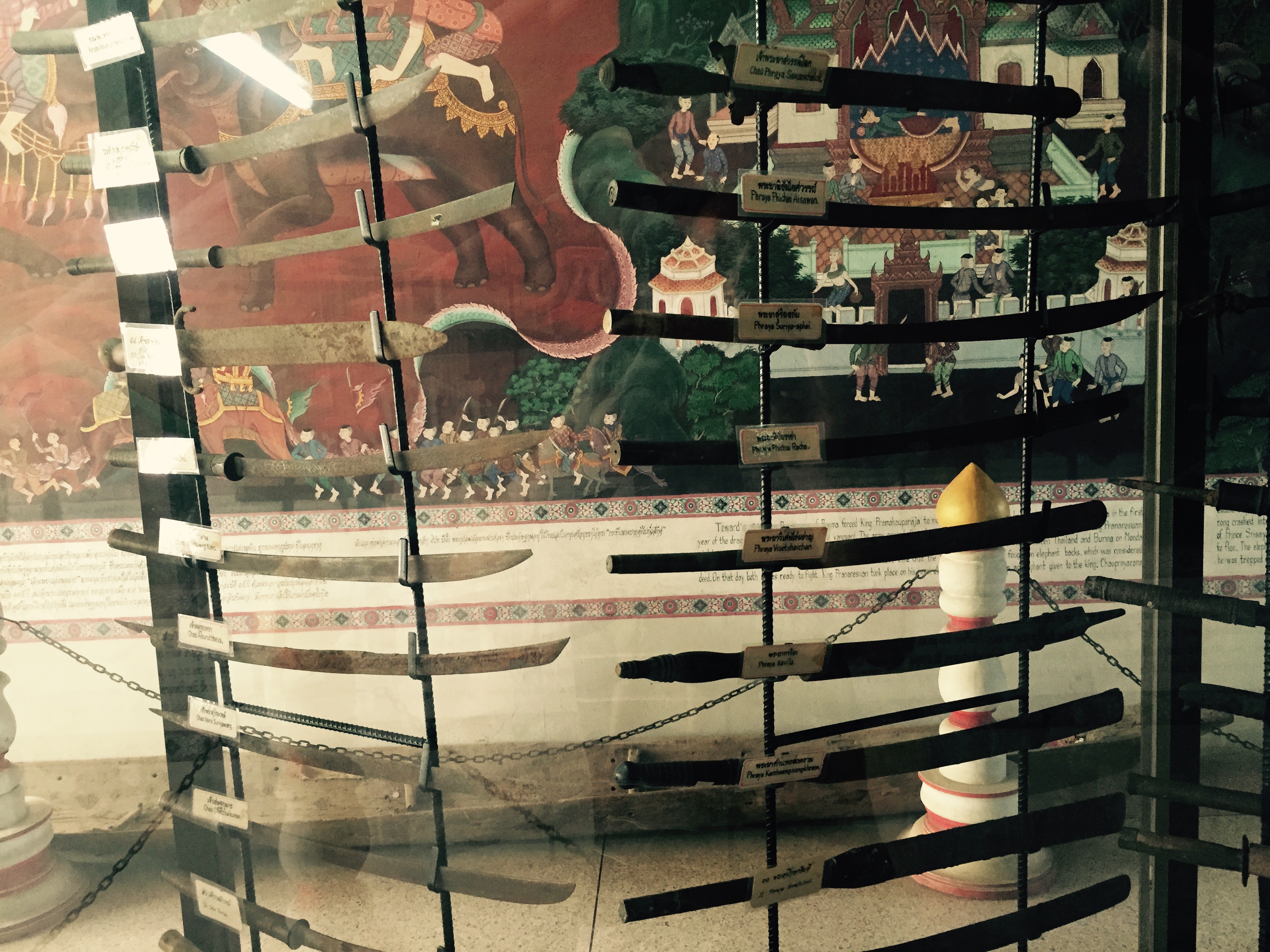
Midweek Staff Meeting – I Would Like A Sword, Please
Colonel Ty Sedule, Head Of The Department Of History At West Point, Explains That YES, THE CIVIL WAR WAS FOUGHT OVER SLAVERY AND YES, THE SOUTH SECEDED TO DEFEND SLAVERY

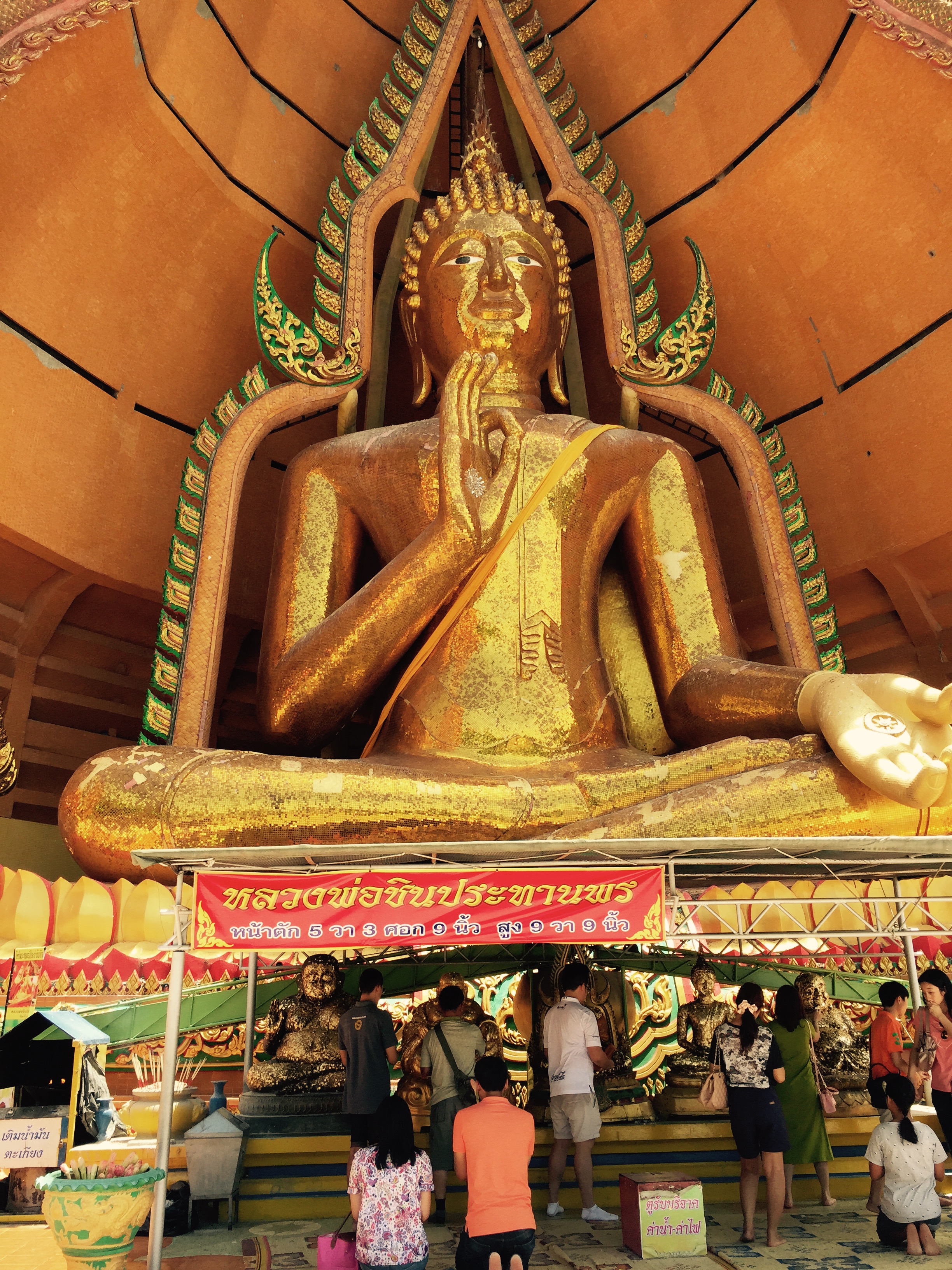
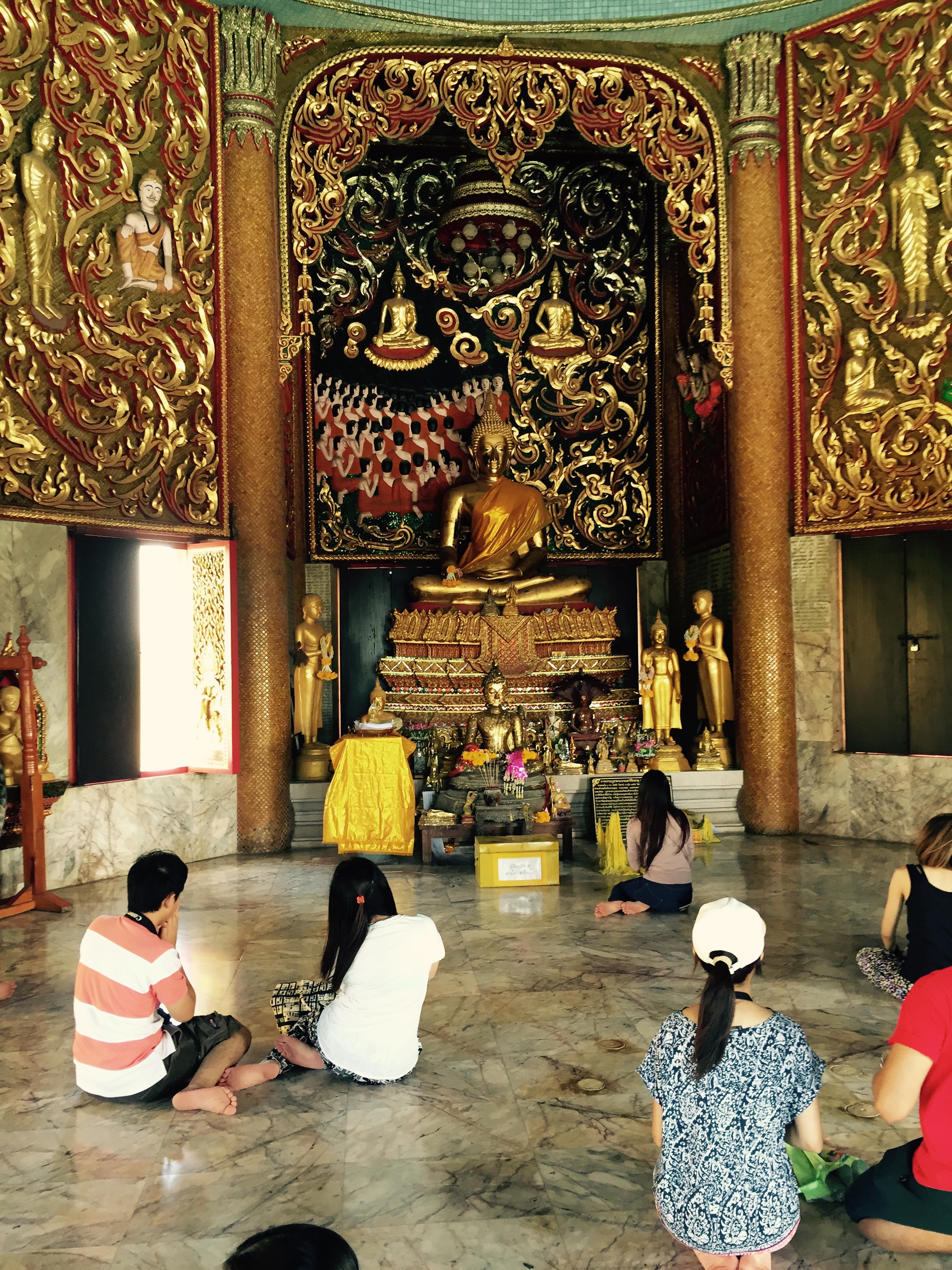
Bridge Over The River Kwae
Actually, I learned that it should be pronounced ‘Kwae’ or ‘Kway.’ A ‘kwai’ is not a river, but a water buffalo. Apparently.







‘The Intellectuals & The Masses: Pride And Prejudice Among The Literary Intelligentsia: 1880 – 1939’ By John Carey

The book got better.
I was immediately disappointed when I started reading, but it improved. Begun as a series of lectures, it still has too much tendentious point-making – like a doctoral these or, well… a lecture – but it turned into something interesting in spite of itself.
Some wonderful deep research into a series of literary figures (Wyndham Lewis, T.S. Eliot, George Orwell and others) to capture a sort of deep seated disgust with the masses (or the proles or whatever you want to call ’em; Carey makes a good point that it’s a fiction they’re appalled by and what they thought of as the masses never existed).
But his larger thesis, which is basically that works like The Wasteland (and Modernism, in general) were written complicated as a gate to keep out the unwashed was not well proven (and really, he didn’t even seem to be trying to prove it; he just said and moved on to show that some of these intellectuals were kind of morally ‘icky’).
Ho Chi Minh

My better half actually bought this for herself. A dyed in the wool capitalist, she’s got a strange obsession with Leninist-Stalinist strongmen like Mao and Minh.
But I’m the one who wound up reading it first, mainly because it was there.
What can I say? It’s light reading, but not very illuminating. Official statements for public view don’t tell one very much. The interesting bits were gleaming a few bits of history that I didn’t know (taken with a grain of salt) and it was also interesting to see an article that he had written in the early thirties about the lynching in America (something that was on the rise at the time).
At first, I thought that some of the writing (translated, of course) came across as almost an Orwellian parody of itself. Talk about ‘right policies’ and ‘right thinking’ and ‘right ideology’ (sometime with ‘right’ being replaced with ‘correct’) leading inevitably to success. This was done the context of success having already been achieved and describing as the obvious outcome of that correct thinking.
Except then I remember the translations I have read of Sun Tzu and Confucian thought, as well as the religious pamphlets (translated into English) from the Wat Thai in Maryland. This seemed something rather endemic to a lot of Eastern thought. Rather than good actions leading to goodness, as it were, good or proper thinking (or religious practice) leads to good actions and good results. Not defending Ho Chi Minh, but this particularly trend in his writing is more about a non-western way of thinking than anything else.
Midweek Staff Meeting – It’s Not So Bad In Iowa

Weekend Reading – Difficult Poets


 the coffee philosopher