A funny, terrifying, and ultimately, honestly depressing book.

Ingrid Yang, the protagonist, is an unreliable narrator in her lack of self-awareness, which is part of the comedy and horror. She clearly hates her work as a PhD student working on the oeuvre of a Chinese-American poet that she really doesn’t care for and her bland fiancé is clearly a manipulative douche (Hong’s recent Minor Feelings identified his type, as the sort of middling white guy who has found that racism enables him to find an Asian partner who is much more attractive than he could otherwise ensnare). However, she only barely recognizes any of this.
The novel, which I feel is secretly a horror story, is about her understanding that her whole existence has been gaslit by white men.
It was inspired by a white poet named Michael Derrick Hudson submitting a poem under the name of an Asian woman: Yi-Fen Chou. Chou, in addition to being author’s name, is also the name of the Chinese-American poet in the novel, who turns out to be a white guy who actually indulged is ‘yellowface’ disguise to teach at her university for years.
The whole thing gets worse and worse, with her sinophilic (white) advisor having actually known and conspired in the deception, before turning into a demented Tucker Carlson-esque figure with his own MAGA style movement (DOFO – Defense of Freedom Organization) to protect the feelings of white people.
Chou (the author of this novel) stays true to the story’s movement in that it doesn’t have a happy ending. It’s not unhappy, but essentially, the bad guys win, which feels kind of unhappy.
The publishers also did this thing where you had to flip to book around, relative to the orientation of its cover, in order to read it. I get the metaphor (‘disorientation’) but really could have done without that. The book is good enough on its own.

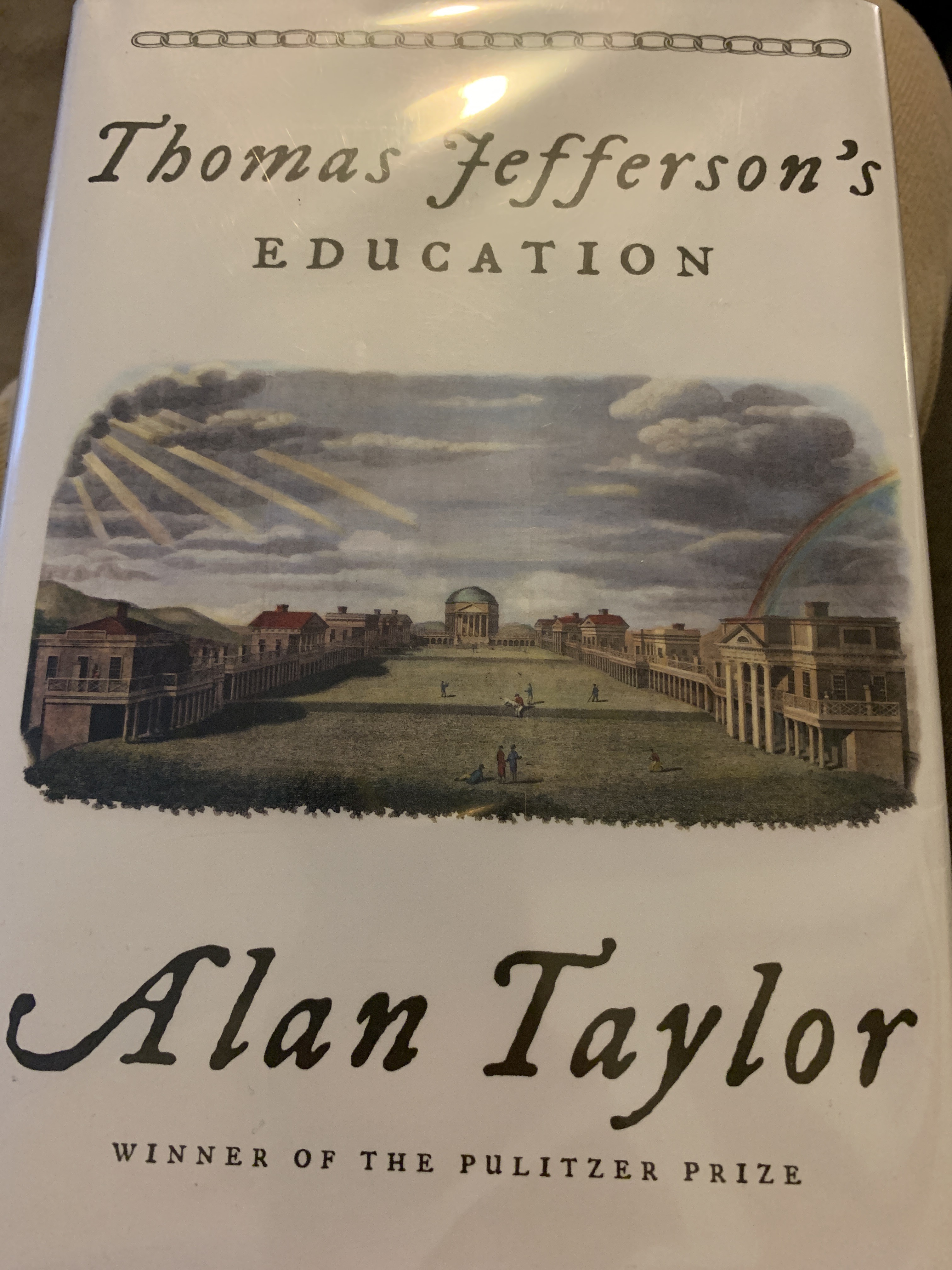 Gentle reader, you have no doubt noticed that I am a fool for a new take on Thomas Jefferson, one that dodges standard biography. This one dodges so far as not to be sure what to make of itself.
 You can see Jefferson’s regular topics and conceits clearly here. A chapter on religion is mainly about the religious freedom he so assiduously (and successfully; he wrote the statute) championed in Virginia. On education, it reflect the inadequacy of both the physical and curricular structure of William & Mary, then the state’s only college; arguments no doubt in support of his quest to establish the University of Virginia at the base of his mountain. You see Jefferson the amateur scientist (and a fascinating digression into some amateur archaeology that he undertook on a Native American burial mound.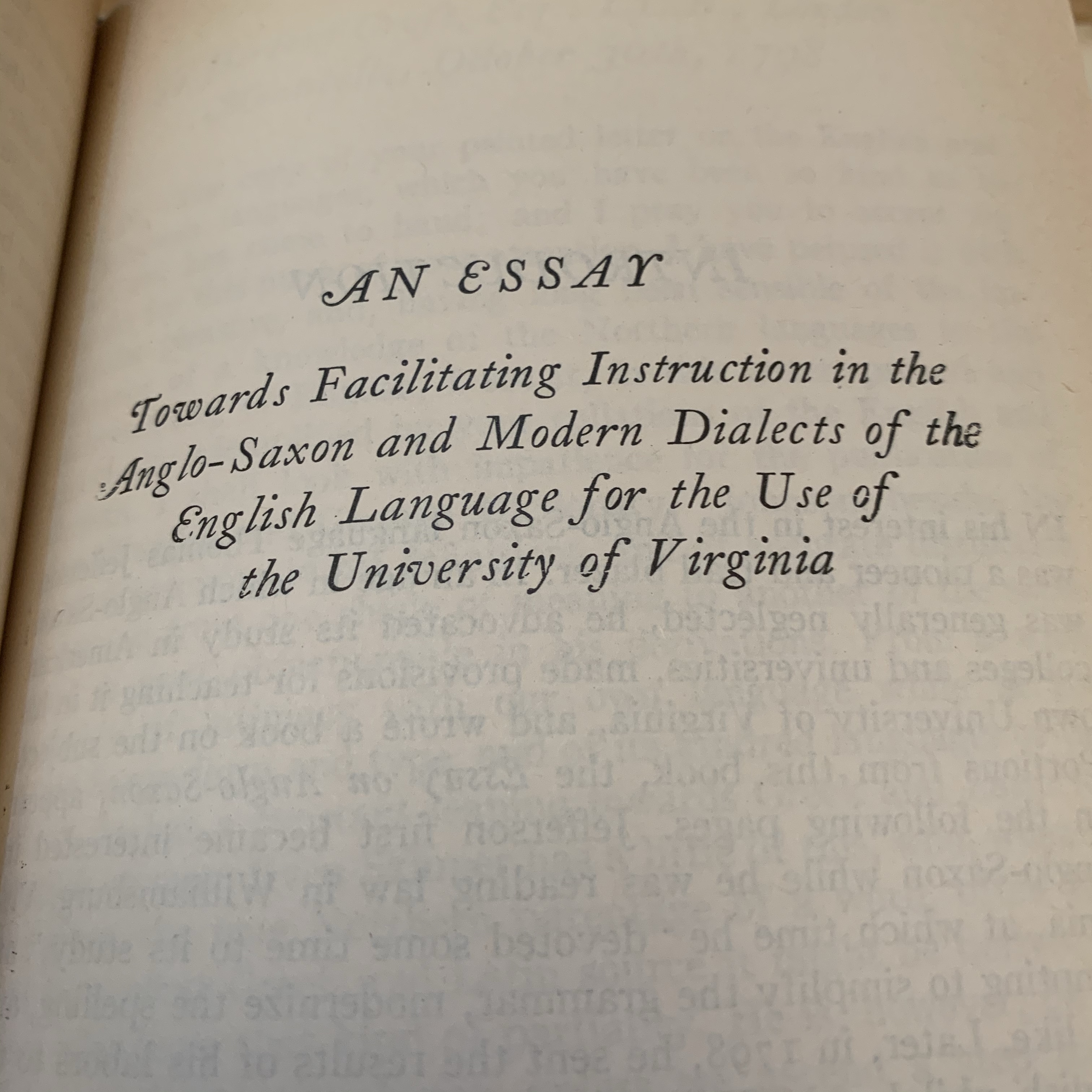

 the coffee philosopher