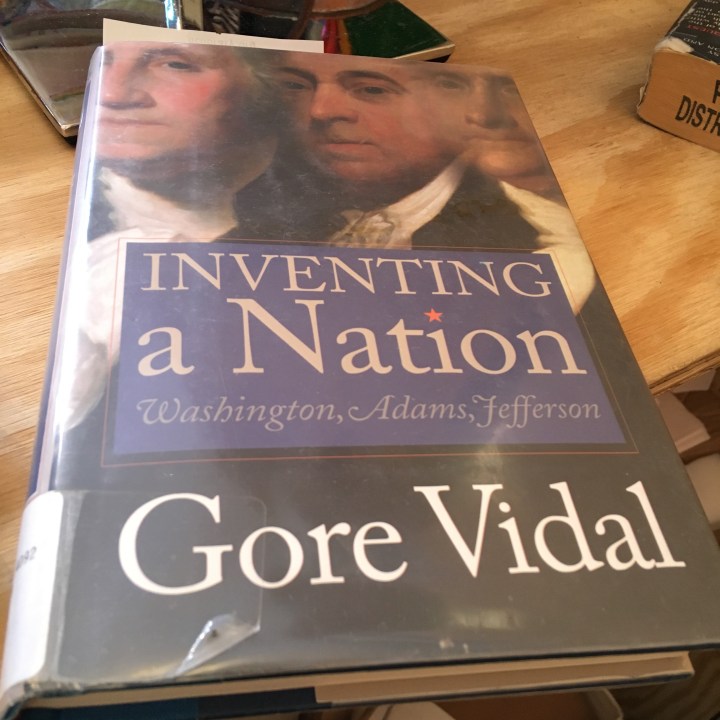
I was forewarned regarding Vidal’s dislike of Hamilton, but was surprised by his frequent dismissal of Jefferson (though I loved his depiction of the third president in Burr) and his seeming affection for and interest in John Adams (though the McCullough biography was still within a couple of years of peak popularity, so maybe he felt compelled).
No one in their right mind reads a history by Vidal in order to know history. Understand more, perhaps, but not to know it, if that distinction makes any sense to you. And I know enough, I feel, to know what to distrust and what might offer some new understanding.
But I have always found Vidal’s obsession with American politics vaguely surprising. It makes perfect sense and he was, really, a frustrated politician, in many ways, in addition to the family history. But his public intellectual style and Brahminic accent, not to mention his long time home in Italy, he always felt like someone who should have spent the life of his mind with Cicero rather than Washington.
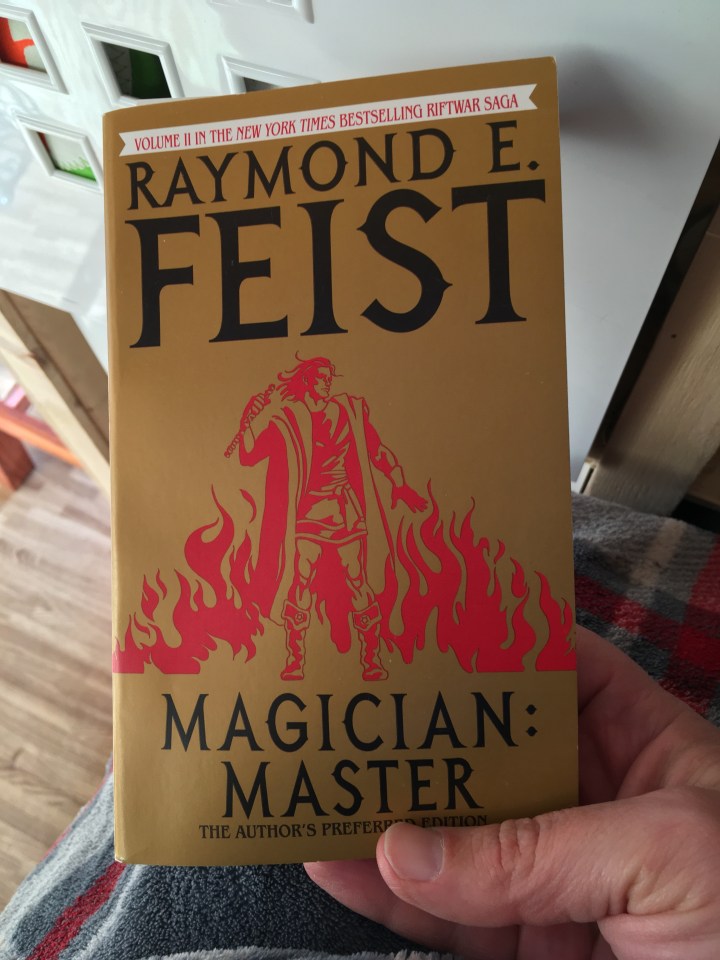

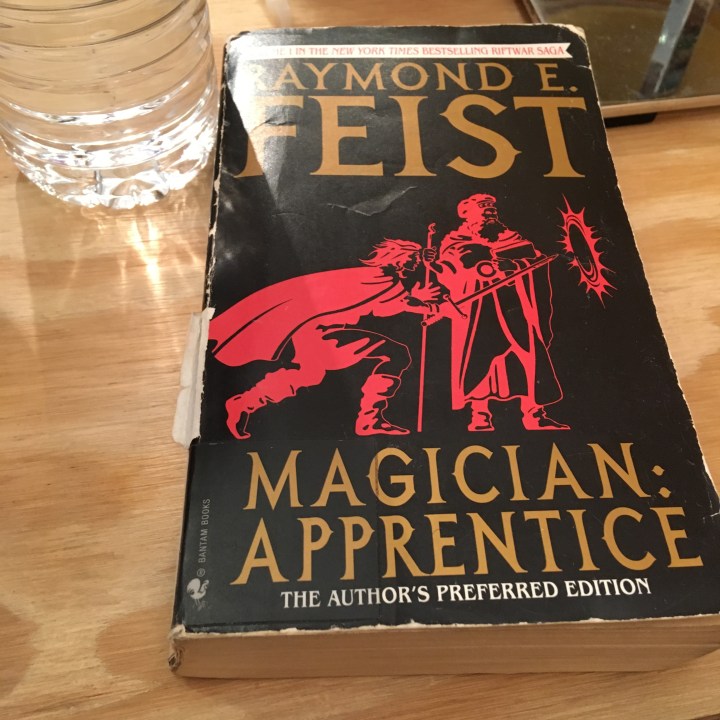 I enjoyed it and I feel like it improved over the course of the book, but… I have a question for those who might know: did he shameless rip off Dungeons & Dragons or did D&D shamelessly rip off from Feist? Because the magic system seems like a good faith effort to justify/explain the D&D system of magic (which is all about creating a justification for why wizards shouldn’t be all powerful).
 Yup. Still reading these. Next up is Swords of Mars, which features John Carter as the protagonist for the first time since the third book (I think Fighting Man is the sixth or seventh book). But let’s not talk about John; let’s talk about Tan Hadron and his lady love, Tavia.
 An alternate history ‘novelette’ (that’s what the good folks at
 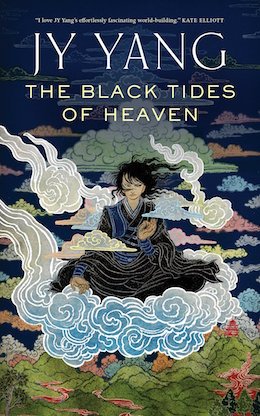 This was an interesting book, but it is, perhaps, hard to untangle those facets that make it interesting as a hybrid fantasy novel (with some elements of science fiction; I have heard the genre described as a ‘silkpunk’) with its sexual character, which is entangled with the author’s non-binary sexual identity. Characters are genderless until they make a decision (which, it seems, usually occurs in the late teens or very early twenties) to choose it and then there is some sorcery (the term used is ‘slackcraft,’ the ‘Slack’ being an all pervasive something that rather resembles the Force). The main characters are twins who choose different genders and different paths (one becomes a revolutionary, associated with a group that seeks to use technology to give the ordinary people more power, making them less dependent on ‘slackcraft’ practitioners, known as Tensors; the other marries an abbot, which, I guess, is ok in this world). The society is also matriarchal.


 the coffee philosopher