 I am continuing my exploration of the oeuvre of Gore Vidal to the surprise and perhaps disappointment of some friends and family who do not necessarily consider him a fit topic for deep delves.
And essays are always a tricky thing. And Vidal’s (but it feels better to call him Gore, doesn’t it?)… Gore’s essays are often considered his finest work, but also his worst. The majority of his political essays, despite his clear eyed and strong understanding of politics up until perhaps Reagan, have not aged like fine wine. Or rather, they are fine wine that was improperly stored and turned sour or else flavorless.
The book is divided into three thematic sections. The first is on literature and is a joy. Both his acclamations and his eviscerations are delicious and the latter want to make me you chortle (that is the word). The second is on politics and while there is much that is good, there is more that is – not necessarily bad, but also not necessarily worth reading anymore. The third and final section is about “state of being,” which, while vague and unwholesomely metaphysical, is also a return to form. He dives into his childhood love of the Oz novels. He writes about himself and his work and life. Politics and literature touch on it and always in a fascinating way.
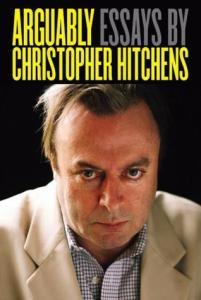 It is perhaps because of also reading
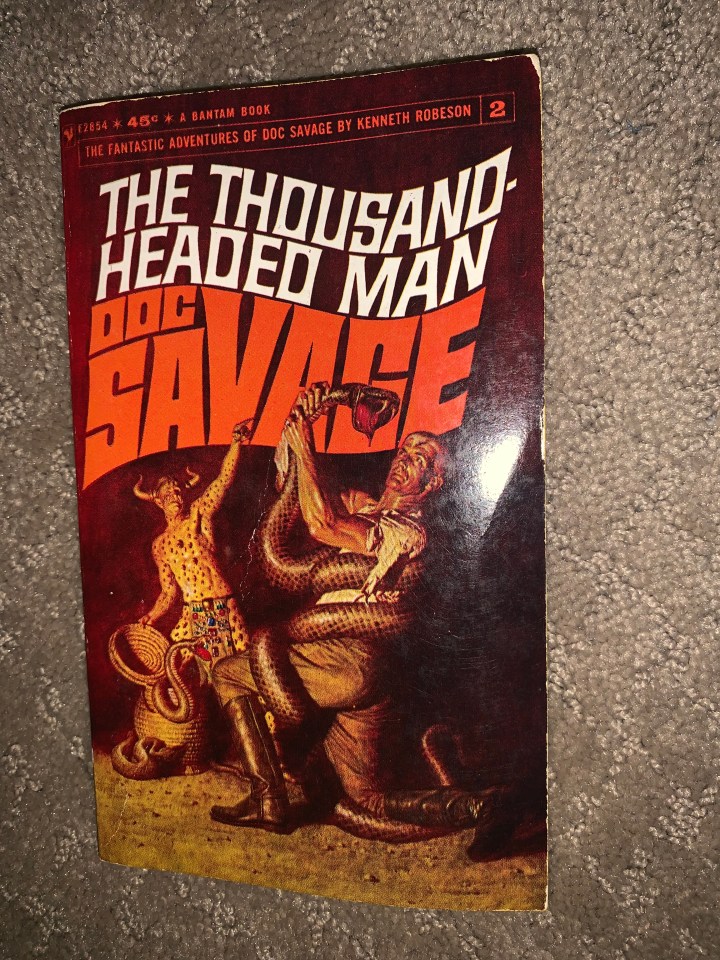
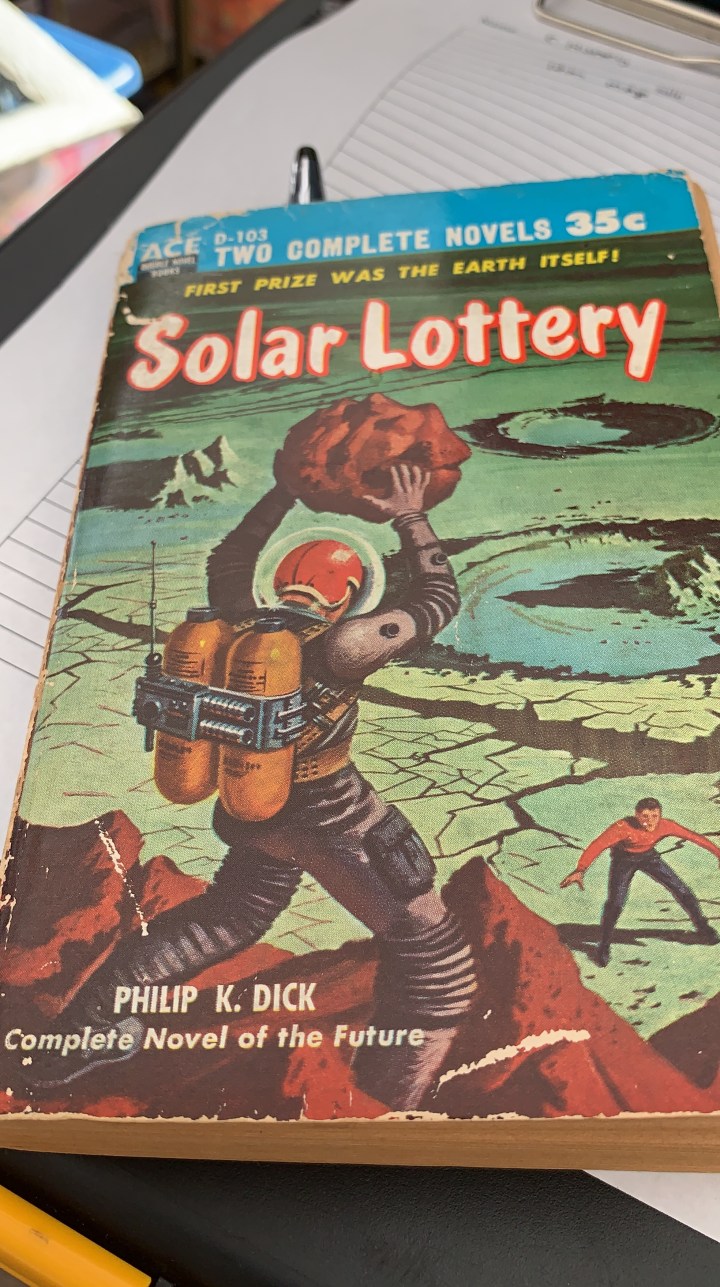 Philip K. Dick is deeply weird, but the Ace Double packaging (the other side is Leigh Brackett’s
 … was such a disappointment.
 What began as an admirable effort to show the wide ranging influence of an eighteenth century London club whose members included Samuel Johnson, James Boswell, David Garrick, Edmund Burke, Adam Smith, Joshua Reynolds, and Edward Gibbon rapidly devolved into an unsatisfying biography of Boswell and Johnson.
  Boats beached during the dry season at a seafood restaurant near Pattaya
  the coffee philosopher