The Beetle is a work of horror by a man who seems not in control of his own sexual hang ups.

The characters are mostly too perfect or, in one case, too crippled by a twenty year old attack to be other than cryptic or hysterical at all times. In his defense, he was repeatedly sexually assaulted by a beautiful young woman who was also a divine and immortal beetle.
Only a fellow called Atherton is exempt. He’s excitable, vengeful, and generally relatable in a way everyone is not. He’s an ass, but a normal and understandable one. He is also shown working on a horrifying chemical weapon which… is never used to move the plot forward in any meaningful way. It’s as if Chekhov forgot to fire his gun.
The villain, besides being indicted based on their ethnic appearance, has, when not a beetle, the body a handsome woman with the face of aging and preternaturally ugly man.
Also, nudity is surprisingly frequent for a novel from 1897. A man runs through the streets wearing only a cloak and everyone he meets notes he is naked beneath. When a young woman is forced to wear a man’s rags, the speaker notes that she must first have been forced to undress. Atherton catches a glimpse of the villainous beetle’s alluring feminine body before they transform.
And did I mention the rapes and orgies that preceded the sacrifice of (formerly) virginal white women by burning?
Also: brandy can cure almost all ills (and literally brings a man back from the dead, even if only for a moment).
Something happened to Mr. Marsh and I don’t care to know what.
In the meantime, better folk than I can comment on what this all says about gender roles, masculinity, and the end of empire.
 Guenveur Smith (who I had never seen before nor, to my knowledge, since) and powerfully staged and directed by Spike Lee in a very stagey manner, but in a theater that resembles a panopticon.
 You’d think I’d be more embarrassed. I mean, I’m a little embarrassed, but not that much. This is my thing. Sci fi and fantasy pulps. And these particular ones are attributed to William Shatner, for whom I have a deep and abiding love.
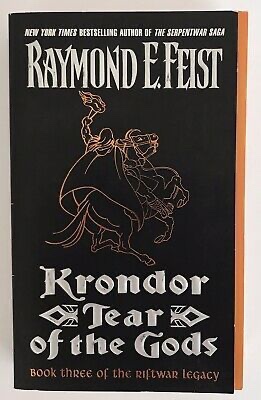
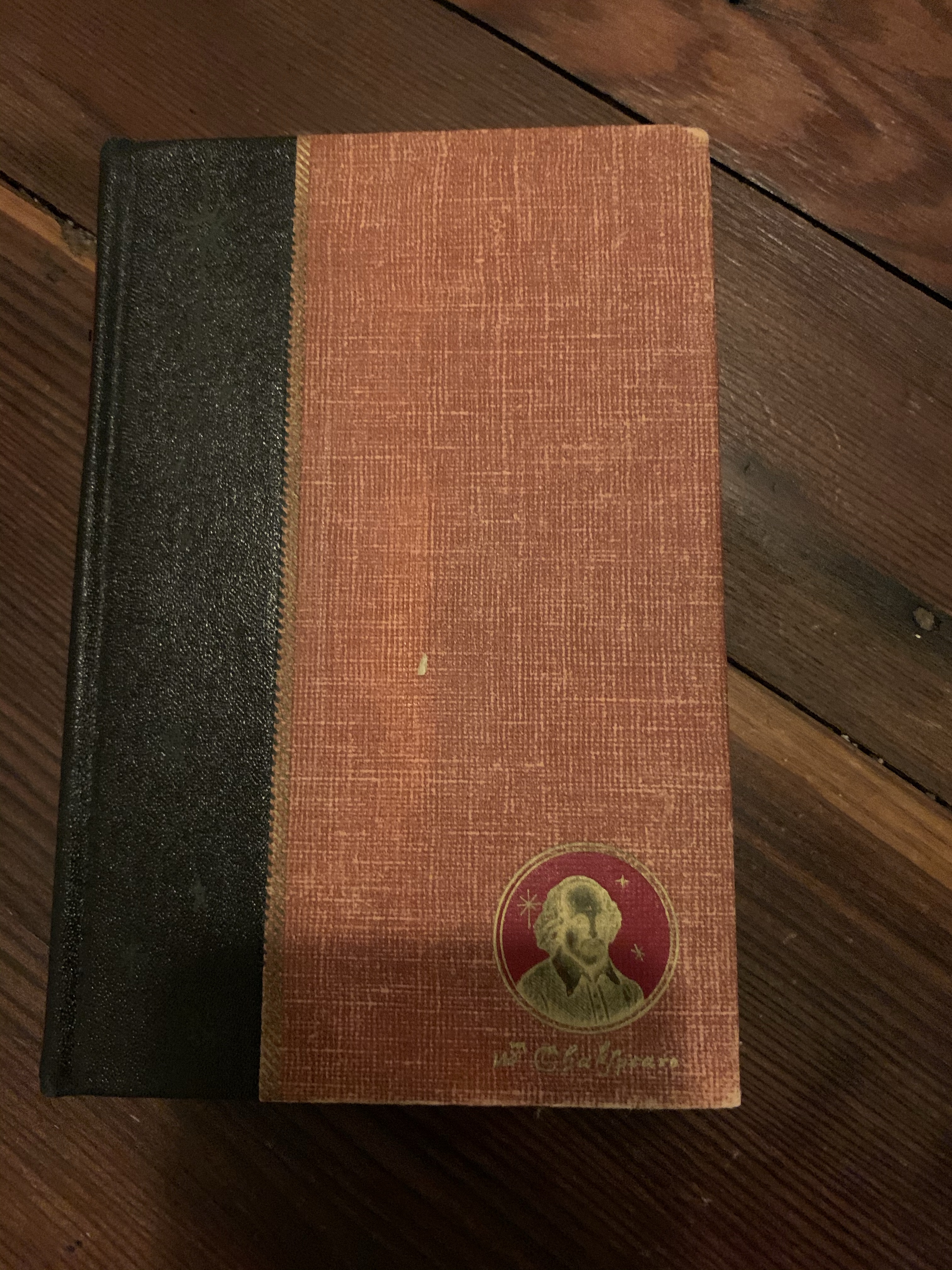 I picked this up before the pandemic hit (or at least before we knew it was hitting). I am sure that I have read A.E. Housman before. I didn’t read it for a while, but it has been something I have been keeping nearby lately and reading from. I even read it to my little one during dinner (poem XVII, which opens with a stanza about football [which I changed to ‘soccer’ when I read it my little soccer fan]).
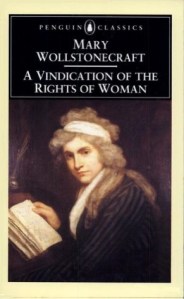 To me, the heart of her argument’s current value (assuming that we can all agree that women are not inherently inferior to men and don’t need to be told that anymore; though it is still almost certainly true the we do still need to be told) is an educational one (perhaps why she take special offense at the educational writings of Rousseau). Proper education leads to people of any gender becoming fully moral creatures. The failure to properly educate women leads to them lacking, in most cases, full moral agency. At the same time, the rearing of children, who we want to be grow into moral creatures, is left to them, so shouldn’t we educate them properly so that they can raise the next generation of moral agents?
  the coffee philosopher