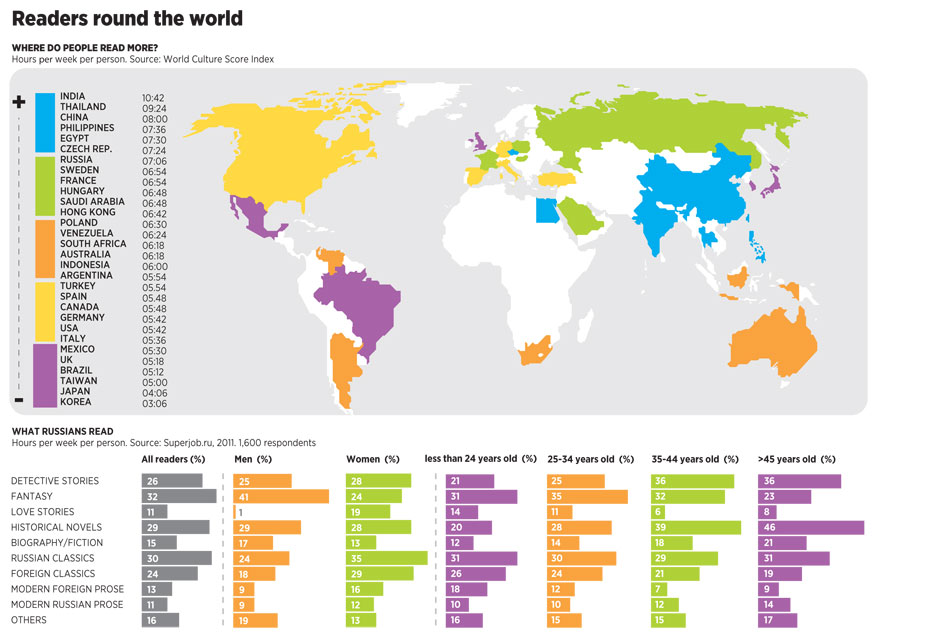
 Read more books. You will become smarter, get better jobs, and be able to pick up a better class of men/women.
So… Shakespeare made a lot of butt sex and cunnilingus jokes.
Read more books. You will become smarter, get better jobs, and be able to pick up a better class of men/women.
So… Shakespeare made a lot of butt sex and cunnilingus jokes.
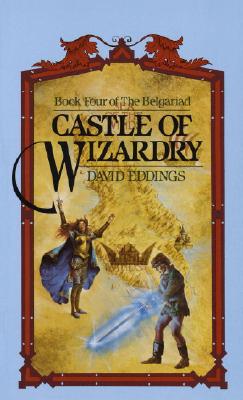 First of all, I had really been hoping that this whole Belgariad series would be a simple trilogy. Sure, a good google check would have told me otherwise, but for some reason, I just assumed it was three and done.
Not that I minded reading a fourth book (or a fifth, as it turns out to be a pentalogy, if that’s the right word), but, on principle, I wanted an antidote to the typically, bloatedly long fantasy series that infects the genre shelves of your neighborhood bookstore.
Castle of Wizardry is a silly name that doesn’t really relate to what happens in the stories contained (the other three, you could see how the title related to a theme or specific event within the books). There is some magic and a castle, but I just didn’t see the two to be sufficiently linked for this to be a good title. Also, it’s the worst kind of fantasy series novel, because it’s all about tying up enough loose ends and setting the characters in place for the climactic final book (think, Matrix Reloaded). And, more than in any of the prior books, this one is shamelessly ripping off The Lord of the Rings. There are even armies being massed for a big battle that’s just a distraction for the true hero to sneak into enemy territory.
But hey, I already bought the fifth book. I bought four and five simultaneously from Second Story Books, along with a nice collection of Robert Browning poems. So, the end, as they say, is nigh. I’ll be jumping into the last of the Belgariad very soon.
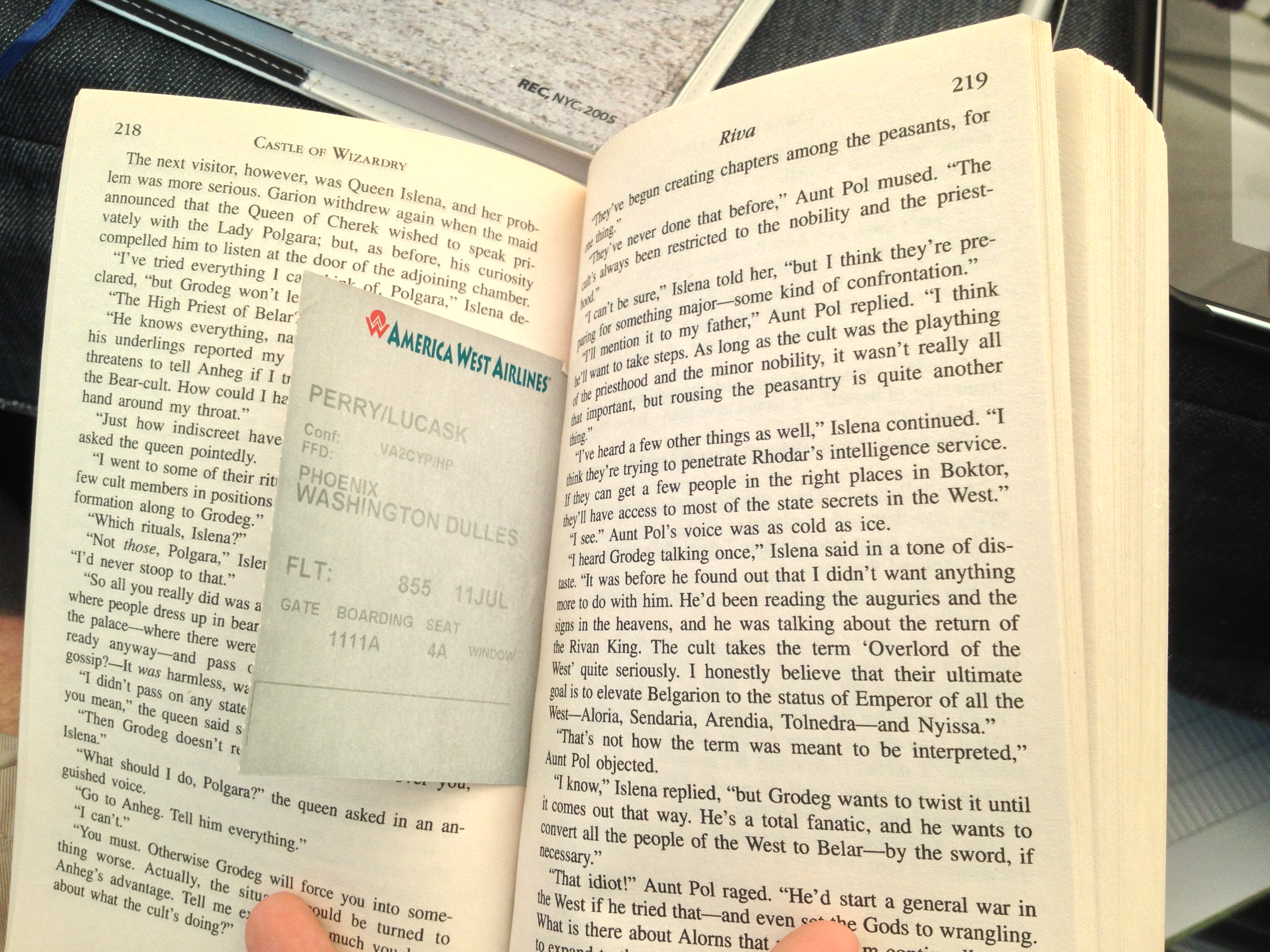
The most interesting bit of the book was, for me, the stub of a plane ticket that had been inserted between pages 218 and 219. It’s dated July 11 (though who knows what year). I finished the book on July 6, less than a week before the anniversary of that flight on which, one suspects, the prior owner had been reading it.
 What a disappointment.
I’d read so much about this book the Romania-born, French-writing Cioran, but all I read was a shallow combination of a Nietzsche wannabe and a Camus wannabe. And it was translated by Richard Howard, whose poetry collection, Inner Voices, has to rank as one of the most boring books I have tried to read.
Listen to this:
And this nothing, this everything, cannot give life a meaning, but it nonetheless makes life persevere in what it is: a state of non-suicide.
The book is series of aphoristic segments, between half a page and two pages, usually. That bit I quoted above, from a segment entitled Coalition Against Death, sounds to me like little more than someone who decided to write some stuff within minutes of glancing at the first page of Camus’ The Myth of Sisyphus.
But mostly, it is warmed over Nietzschean aphorisms. Except that Friedrich’s aphoristic bits were sandwiched between much better scholarly writing. No, he wasn’t usually a rigorous philosopher, but there is some real stuff in there (think The Birth of Tragedy).
I am going to include one longish quote just because it was damn near the only bit that stuck with me.
(The implicit plural of ‘one’ and the avowed plural of ‘we’ constitute the comfortable refuge of false existence. Only the poet takes responsibility for the ‘I,’ he alone speaks in his own name. He alone is entitled to do so. Poetry is bastardized when it becomes permeable to prophecy or doctrine: ‘mission’ smothers music, idea shackles inspiration. Shelly’s [sic] ‘generous’ aspect cripples most of his work; Shakespeare, by a stroke of luck, never ‘served’ anything.
And a paragraph later…
How then to fail to turn to poetry? It has, like life, the excuse of proving nothing.)
He’s very taken by the idea of art for art’s sake. And his idea of prophecy (insofar as he has consistent ideas) seems to be more about political engagement than anything else. He is very much an interior writer, to the extent of rejecting the exterior. Let’s just say that he was never in danger of becoming a civic activist.
Anyway. It’s off my list. I can now saw I’ve read Cioran.
Seth Abramson recently wrote a full throated defense of contemporary poetry. You can probably google it and find it somewhere online.
His florid, grad student speak-y style is almost as endlessly embarrassing as his as constant state of eager beaver overexcitement. But he’s trying. And he reviews poetry monthly on the widely read Huffington Post. The reviews irritate me, but they may be the only exposure to titles by contemporary poets many readers get.
Anyway.
Here are his June poetry reviews.
So, Brian Blessed’s King of the Hawkpeople in Flash Gordon cries out, ‘Who wants to live forever!’
Queen wrote the music for Flash Gordon.
Queen also wrote the music for The Highlander, including the song Who Wants to Live Forever.
Just some trivia for you. Anyway… Flash! He’ll save every one of us!


 the coffee philosopher